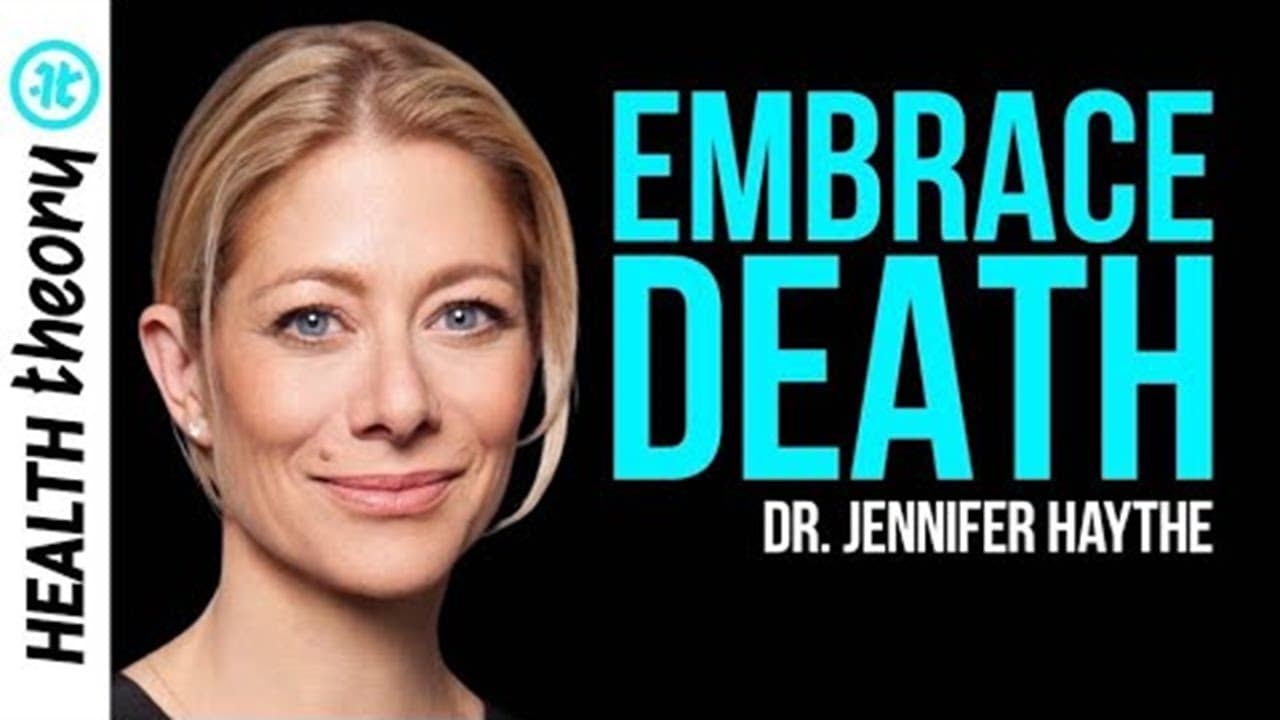
How to Embrace Death and Improve End-of-Life Care
TL;DR
Embracing death can lead to a healthier mindset about end-of-life care. It's important for individuals to have open discussions about their health and preferences regarding end-of-life decisions, as this can help families navigate the dying process more compassionately. Creating a peaceful and meaningful context for death enhances quality of life during difficult times.
Transcript
guys this episode ended up getting amazing uh roughly we'll we'll put the time code uh but we got onto an absolutely fascinating topic and i'll be heartbroken if you don't at least watch that uh so this episode was rad i promise you you will not regret it you can go into the beginning where we talk hardcore coveted stuff or you can skip right to th... Read More
Key Insights
- 💉 The COVID-19 pandemic had a profound impact on hospitals, with many experiencing overwhelming patient loads and the need to convert various areas into intensive care units.
- 🥡 Despite the current decline in severity, it is crucial to remember that COVID-19 is still present and precautions should be taken to prevent the spread of the virus.
- 👨🔬 Long-term implications of COVID-19, such as its potential recurrence, require further research and understanding.
- 😣 End-of-life discussions are essential, and individuals should consider their health and have conversations about their preferences in the event of severe illness.
Install to Summarize YouTube Videos and Get Transcripts
Explore YouTube Video Summarizer or Get YouTube Transcript Extractor
Questions & Answers
Q: How did COVID-19 impact hospitals and what was the patient load like at its peak?
During the peak of COVID-19, hospitals experienced intense pressure, with floors turning into intensive care units and a high percentage of patients requiring ventilators.
Q: Why does COVID-19 seem to be less severe now compared to earlier?
The decrease in severity may be attributed to a combination of factors, including a latent period of infection, warmer weather, and possibly a decrease in the number of susceptible individuals.
Q: What are the long-term implications of COVID-19?
The long-term implications remain uncertain, but possibilities include the virus mutating into a less severe form or the development of a vaccine that provides some level of immunity.
Q: How should individuals prioritize their health during the ongoing pandemic?
It is essential for individuals to prioritize their health by maintaining a healthy lifestyle, including regular exercise, a balanced diet, and managing underlying health conditions such as obesity, diabetes, and hypertension.
Summary & Key Takeaways
-
The episode begins with a discussion on the intense impact of COVID-19 on hospitals, with floors turning into intensive care units and a high percentage of patients requiring ventilators.
-
The conversation then shifts to the current state of COVID-19, with the host questioning why the virus seems to be less severe recently. The guest suggests that a combination of factors, such as a latent period of infection and warmer weather, may be contributing to the decrease in severity.
-
The guest emphasizes the importance of continuing to take precautions and not assuming that the virus will simply disappear, as indoor activities and a lack of social distancing could lead to a resurgence.
-
The conversation then delves into the long-term implications of COVID-19 and the possibility of it becoming a recurring virus. The guest explains that the future outcome may involve a mutation into a less severe form or the development of a vaccine that could provide some level of immunity.
Read in Other Languages (beta)
Share This Summary 📚
Summarize YouTube Videos and Get Video Transcripts with 1-Click
Try YouTube Summary with ChatGPT & Claude or YouTube Transcript Generator
Explore More Summaries from Full Episodes of Health Theory 📚



Summarize YouTube Videos and Get Video Transcripts with 1-Click
Try YouTube Summary with ChatGPT & Claude or YouTube Transcript Generator