What Makes Canadian Music Canadian? A Critique of the Juno Awards
TL;DR
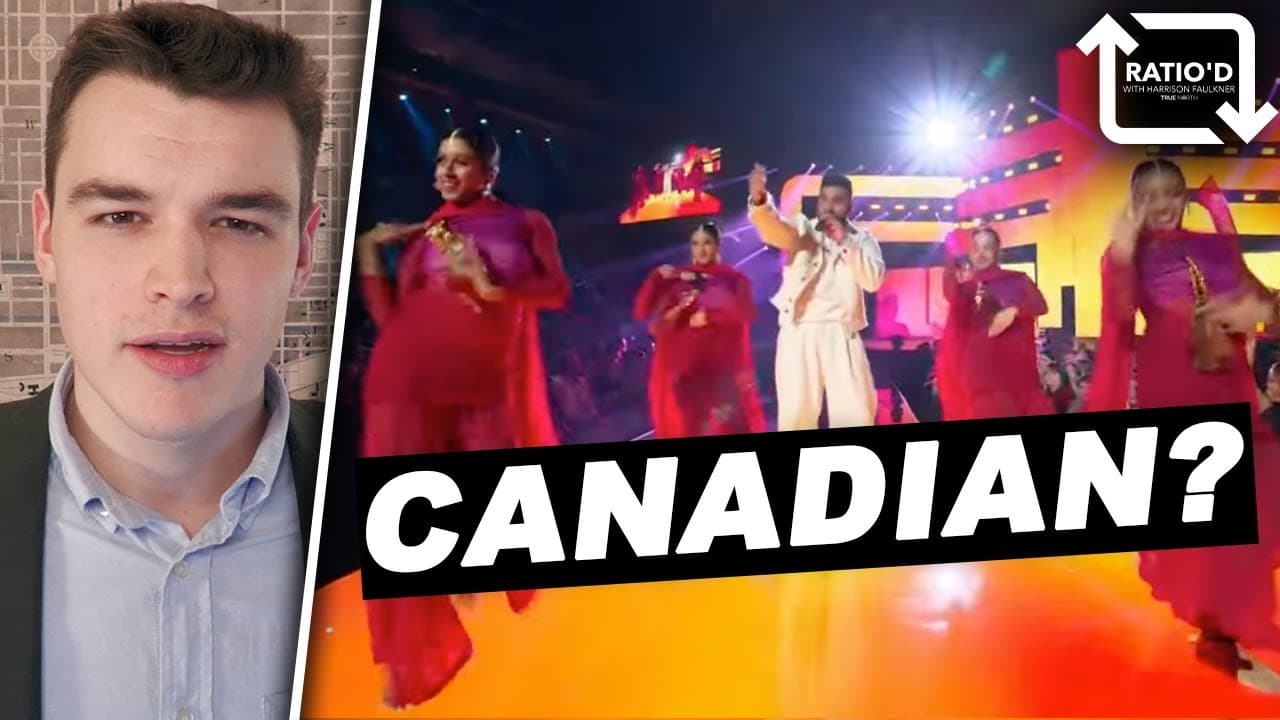
The speaker argues that Canadian music should reflect and protect Canadian culture, rather than imported politics or music associated with another country. The critique focuses on the Juno Awards, where Drake, The Weeknd, Justin Bieber, and Tate McRae were absent, while Punjabi musician Karan Aujla won the TikTok Juno Fan Choice Award. Read on for the speaker’s specific objections and examples.
Transcript
well I was one of 50 Canadians last night to watch the Juno Awards so you don't have to and let's just say that we are in desperate need of some rather uncomfortable conversations over what Canadian culture and Canadian content is and more importantly what Canadian culture is not the Juno Awards as you all know is an opportunity to highlight and ce... Read More
Key Insights
- 🌍 The Juno Awards should serve to celebrate national talent but are increasingly politicized, overshadowing musical achievements.
- 🤨 A growing trend of integrating foreign artists into the Juno Awards raises questions about what constitutes Canadian content.
- 🏆 The absence of prominent Canadian musicians indicates a potential disconnect between the awards and top talent in the industry.
- 🥳 Critical race theory and gender politics featured prominently in the awards, suggesting a shift away from music-centric celebrations.
- ❓ The preservation of Canadian cultural identity hinges on recognizing and supporting true Canadian talent amidst foreign influences.
- 🖤 The lack of clarity around Canadian content definitions complicates the efforts to protect and promote a distinct cultural identity.
- 🥳 Political statements at the Juno Awards foster debates about the intersection of art, culture, and activism, making it more a forum for social issues than musical celebration.
Install to Summarize YouTube Videos and Get Transcripts
Explore YouTube Video Summarizer or Get YouTube Transcript Extractor
Questions & Answers
Q: What makes Canadian music Canadian?
The speaker says Canadian music should express and protect a distinct Canadian culture. Although legal definitions of Canadian content exist, the speaker argues that citizenship, cultural identity, and the music’s connection to Canada should matter.
Q: Why does the speaker criticize the Juno Awards?
The speaker believes the Juno Awards should celebrate Canadian musicians and serve as a display of nationalism. Instead, the event is characterized as emphasizing American-imported race and gender politics, political activism, and foreign music and culture.
Q: Which Canadian artists did not attend the Juno Awards?
The speaker names Drake, The Weeknd, and Justin Bieber as major Canadian artists who did not attend. Tate McRae, identified as the winner of Artist of the Year and Single of the Year, was also absent.
Q: How did race and gender politics appear during the Juno Awards?
The speaker points to dancing drag queens, references to unequal opportunities for Black artists, and discussion of transgender and two-spirit identities. These moments are presented as political displays that distracted from celebrating musical achievement.
Q: What happened during Nelly Furtado’s performance?
Nelly Furtado, described as the host and a Canadian music star, opened the awards with a performance. The speaker objects that she was joined onstage by a dancing drag queen, interpreting it as a gender-ideology display.
Q: Why were Tegan and Sara honored at the Juno Awards?
Canadian pop duo Tegan and Sara received an award connected to their LGBT foundation. Elliot Page presented it, spoke about transgender rights, and Tegan and Sara criticized the Alberta government’s policies concerning transgender youth.
Q: Why does the speaker question Karan Aujla’s Juno Award?
Karan Aujla won the TikTok Juno Fan Choice Award after beating nominees including The Weeknd. The speaker says Aujla performs entirely in Punjabi and is an Indian citizen and Canadian permanent resident, then questions whether his music should qualify as Canadian.
Q: What broader cultural choice does the speaker say Canada faces?
The speaker contrasts diluting Canadian culture through postnational race and gender politics with allowing Canadian artists to be overwhelmed by American cultural power. The proposed alternative is a more nuanced nationalist position that protects Canadian content and talent.
Summary & Key Takeaways
-
The Juno Awards, meant to celebrate Canadian musicians, devolved into political displays highlighting American race and gender politics instead of honoring national talent.
-
Notable Canadian artists were absent from the event, raising questions about the legitimacy of the awards and what constitutes Canadian music.
-
Canadian content protection is crucial to maintaining cultural identity, but the integration of foreign artists like Karan Aujla complicates this discussion.
Read in Other Languages (beta)
Share This Summary 📚
Summarize YouTube Videos and Get Video Transcripts with 1-Click
Try YouTube Summary with ChatGPT & Claude or YouTube Transcript Generator
Explore More Summaries from True North 📚




Summarize YouTube Videos and Get Video Transcripts with 1-Click
Try YouTube Summary with ChatGPT & Claude or YouTube Transcript Generator