What Did the Pentagon's Reversal of KSM's Plea Deal Mean?
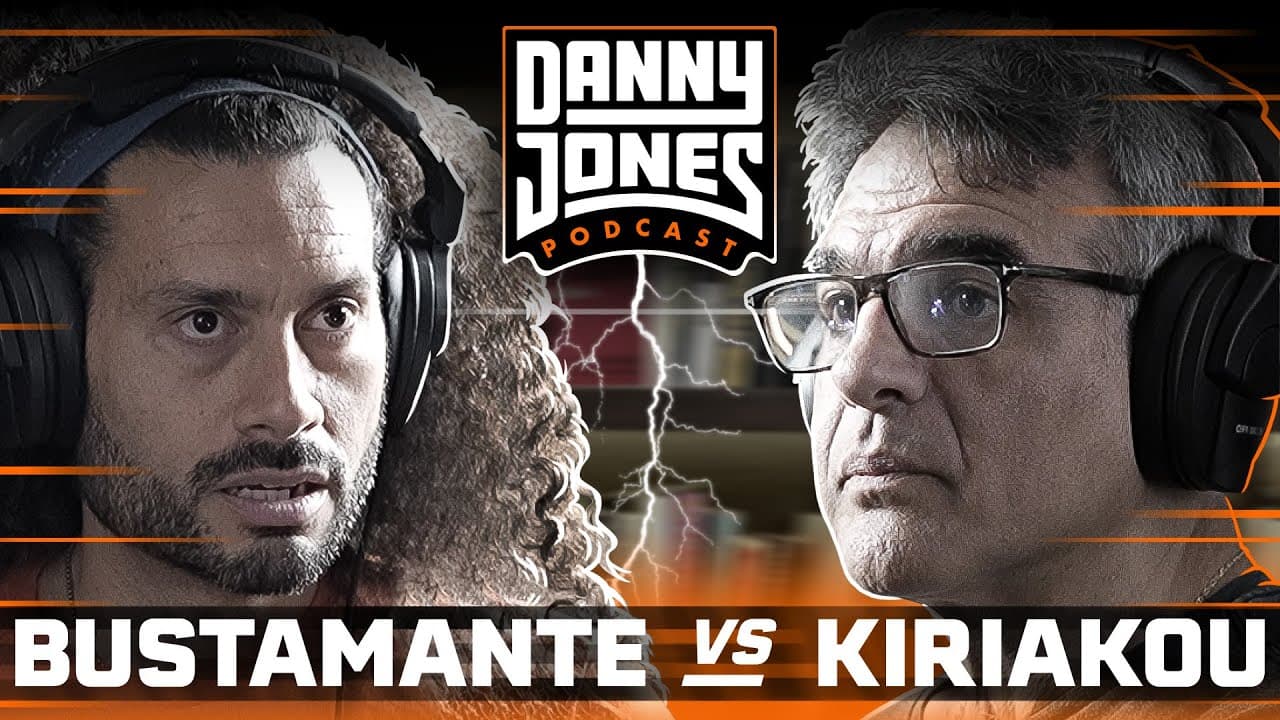
TL;DR
The Pentagon's decision to overturn Khalid Sheikh Mohammed's plea deal reopens legal complexities about evidence obtained through torture, raising questions of admissibility in court. This politically motivated move, coinciding with an election year, highlights the ethical dilemmas in U.S. counterterrorism policies and the ongoing struggle to balance justice and human rights.
Transcript
we have a lot to talk about today with yesterday's events too yeah what was yesterday uh yesterday uh the Secretary of Defense threw out the guilty plea the plea deal yeah the plea deal for khed shik Muhammad yeah oh yes oh yeah we definitely should talk about that R out square one after 22 years wait what do you mean threw it out oh he overwrote i... Read More
Key Insights
- 😄 The overturn of Khalid Sheikh Mohammed's plea deal illustrates the complexities of military justice and the legal ramifications of torture.
- 💼 Evidence obtained through torture not only impacts individual cases but also highlights broader ethical issues within U.S. counterterrorism strategies.
- ✋ Political motivations can heavily influence judicial outcomes, especially in high-profile terrorism cases amid changing public opinions and electoral considerations.
- 🗯️ U.S. policies surrounding detainees continue to evolve, reflecting historical challenges and the moral implications of torture on justice and human rights.
- 🎖️ The necessity to maintain the integrity of military tribunals remains a contentious issue as the government navigates its counterterrorism approach.
- 🍵 The dialogue emphasizes the disconnect between legal practices and ethical standards in handling terror suspects and detainees within the U.S. system.
- 🗯️ There remains a significant public concern about the government's transparency and its commitment to human rights amidst ongoing legal and military strategies.
Install to Summarize YouTube Videos and Get Transcripts
Explore YouTube Video Summarizer or Get YouTube Transcript Extractor
Questions & Answers
Q: Why was the plea deal for Khalid Sheikh Mohammed thrown out by the Pentagon?
The Pentagon overturned the plea deal as part of legal maneuvering, likely influenced by political motivations related to the upcoming elections, and due to concerns about public perception regarding a deal for a figure like Mohammed, the 9/11 mastermind.
Q: What issues arise from using evidence obtained through torture in military trials?
Evidence obtained through torture is often inadmissible in court, raising challenges in securing convictions. The legal precedent established years ago states that such evidence violates the rights of the accused and undermines the integrity of military justice.
Q: How does the Pentagon’s decision impact the 9/11 mastermind’s military trial?
The decision complicates the trial by putting the prosecution back to square one, requiring them to build a case without relying on evidence that has been compromised or deemed inadmissible due to its origins in torture.
Q: What are the broader implications of this ruling for military justice and U.S. counterterrorism policy?
The ruling raises questions about the effectiveness and ethics of U.S. counterterrorism policies, particularly in how detainees are treated and the legal ramifications of torture, while also affecting the American public's trust in military justice.
Q: What are the historical aspects of U.S. policy concerning detainees and torture?
U.S. policy towards detainees has evolved, with significant shifts in response to events like 9/11. Historically, the use of torture has had a lasting impact on legislation, judicial rulings, and international image regarding human rights.
Q: How do political implications influence legal decisions within the military justice system?
Legal decisions are often swayed by the political climate, especially during election years, where public sentiment can pressure authorities to act in ways that reflect national sentiment or even political agendas, sometimes at the cost of justice.
Summary & Key Takeaways
-
The Pentagon's unexpected decision to discard a plea deal for Khalid Sheikh Mohammed raises significant legal concerns about the admissibility of torture-derived evidence against him.
-
Discussions highlight the historical context of U.S. policies towards detainees, especially regarding evidence obtained under torture and the implications for trials in military and civilian courts.
-
Participants express frustration with the political motivations behind the decision, especially in light of the upcoming election year and public sentiment regarding terrorism.
Read in Other Languages (beta)
Share This Summary 📚
Summarize YouTube Videos and Get Video Transcripts with 1-Click
Try YouTube Summary with ChatGPT & Claude or YouTube Transcript Generator
Explore More Summaries from Danny Jones Podcast 📚



Summarize YouTube Videos and Get Video Transcripts with 1-Click
Try YouTube Summary with ChatGPT & Claude or YouTube Transcript Generator