What Happened to the Hikers in the Dyatlov Pass Incident?
TL;DR
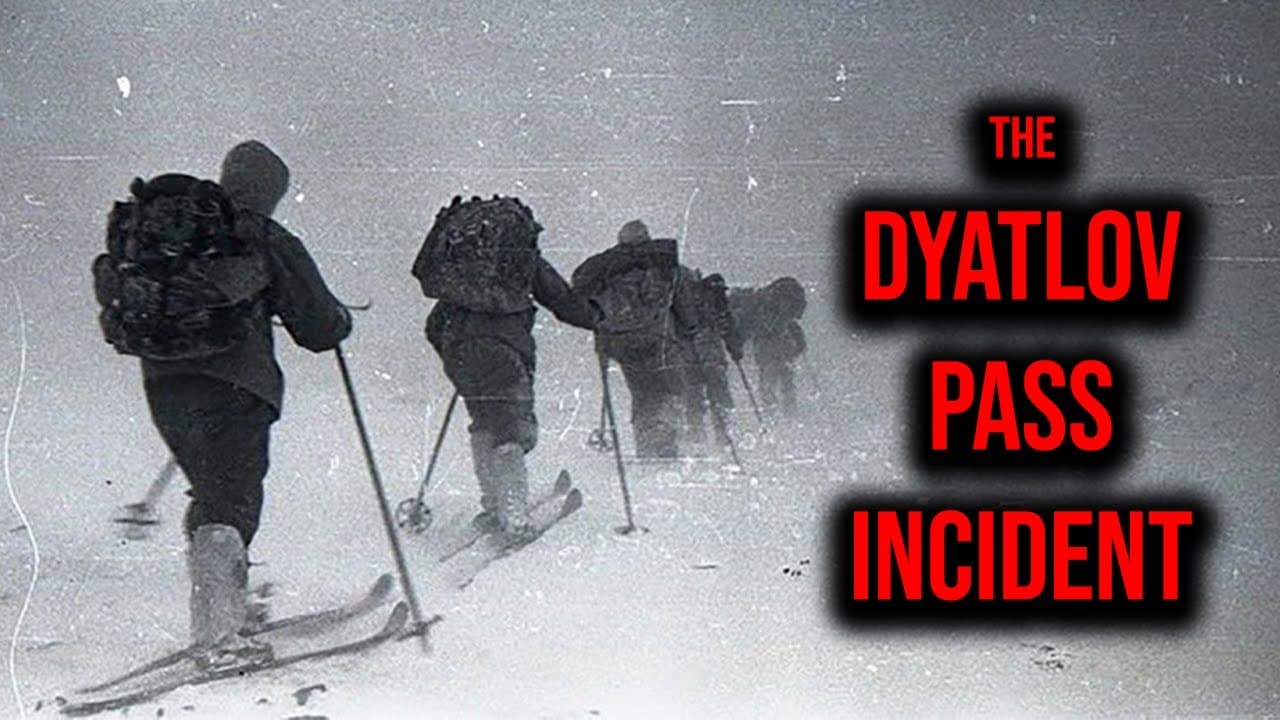
Nine experienced hikers died mysteriously in the Ural Mountains in 1959, with their tent cut open from the inside and curious footprints leading away. The bodies exhibited strange injuries unexplained by hypothermia, leading to numerous theories such as avalanches, military testing, or even paranormal encounters, yet the true cause remains a perplexing mystery.
Transcript
in the winter in 59 a group of nine young experienced hikers began their journey into the Ural Mountains of Russia this wasn't the first cold-weather trip that these hikers had taken but tragically it would be their last during the trip the hikers encountered something in the supposedly desolate region that led to the deaths of the entire group wha... Read More
Key Insights
- ❓ The Dyatlov Pass incident remains one of the most perplexing unsolved mysteries of the 20th century, capturing widespread fascination.
- 👥 The experienced group’s sudden and chaotic departure from a secured tent challenges common assumptions about survival instincts under pressure.
- 🥺 The presence of unexplained injuries has led to numerous theories that span from the rational to the extraordinary, yet none conclusively explain all aspects.
- 🧑🏭 Radiation traces found on clothing and in the area add a layer of complexity to the investigation, suggesting potential military or unusual environmental factors.
- 😜 External factors like weather, the treachery of the mountains, and psychological stressors likely influenced hikers' decisions during the ill-fated journey.
- 👊 Theories about local tribes attacking the hikers are now largely rejected, emphasizing the difficulty of understanding human-nature interactions in remote regions.
- 🙃 Speculations about government cover-ups have taken root due to inconsistencies in official accounts, fueling continuing interest in the mystery surrounding the event.
Install to Summarize YouTube Videos and Get Transcripts
Explore YouTube Video Summarizer or Get YouTube Transcript Extractor
Questions & Answers
Q: What were the circumstances leading to the hikers' expedition in the Ural Mountains?
The hikers, primarily students from the Ural Polytechnical Institute, undertook the journey to achieve a prestigious hiking certificate. Their preparation reflected their serious intentions, as they left behind distractions like alcohol to focus on the challenging trek.
Q: How was the campsite discovered, and what did rescuers find?
The search for the hikers began after their expected communication did not arrive. When rescuers located their camp on February 26, they discovered the tent cut from the inside and footprints leading away, suggesting a hasty escape, likely triggered by fear.
Q: What unusual injuries did the hikers exhibit upon their discovery?
Some victims showed extreme injuries like missing body parts, broken bones, and signs indicative of high-impact trauma, yet no external wounds accompanied these injuries, suggesting they weren't caused by traditional means, raising theories of supernatural or military involvement.
Q: Why do some believe the Soviet government covered up the incident?
The delay in revealing information and inconsistencies in autopsy reports have led some to theorize government involvement. Speculations suggest military testing of weapons or other phenomena that could explain the strange injuries and behaviors of the hikers.
Q: How did the hikers’ actions differ from typical behavior in such situations?
Experienced hikers would not typically flee their tent without proper clothing or shelter. The organized manner in which they left the tent further baffled investigators, suggesting they faced an unusual threat, leading to their collective irrational decisions.
Q: What role did the Mansi tribe play in the theories surrounding the incident?
Early theories speculated that the local Mansi tribe might have attacked the hikers for intruding on their territory. Evidence like the nearby manchi structure fueled this theory, although it has largely been discredited due to the absence of substantial supporting facts.
Q: Can you elaborate on the paradoxical undressing theory?
This phenomenon occurs when someone suffering from hypothermia feels an intense sensation of overheating, leading them to shed their clothing. It was initially thought to explain the hikers' surprising lack of clothes, but didn't account for their desperate attempts to stay warm or the bizarre injuries.
Q: Why do conspiracy theories surrounding aliens or Yeti persist in this case?
Sightings of strange lights and the peculiar photograph found with one hiker led to speculation about alien involvement. Similarly, the Yeti theory gained traction due to the area's ruggedness, despite a lack of evidence supporting such claims; both theories endure due to their uncanny and unexplainable nature.
Summary & Key Takeaways
-
In January 1959, a group of nine experienced hikers ventured into the Ural Mountains but never returned, raising suspicions and questions about their disappearance.
-
After a search operation, their tent was found cut open from the inside, with curious footprints leading away; their bodies revealed strange injuries unexplained by hypothermia.
-
Numerous theories exist, ranging from avalanches to alien encounters, yet the mystery remains unresolved, fueling public fascination and speculation.
Read in Other Languages (beta)
Share This Summary 📚
Summarize YouTube Videos and Get Video Transcripts with 1-Click
Try YouTube Summary with ChatGPT & Claude or YouTube Transcript Generator
Explore More Summaries from Nick Crowley 📚






Summarize YouTube Videos and Get Video Transcripts with 1-Click
Try YouTube Summary with ChatGPT & Claude or YouTube Transcript Generator