Why Is Misinformation So Prevalent in America Today?
TL;DR
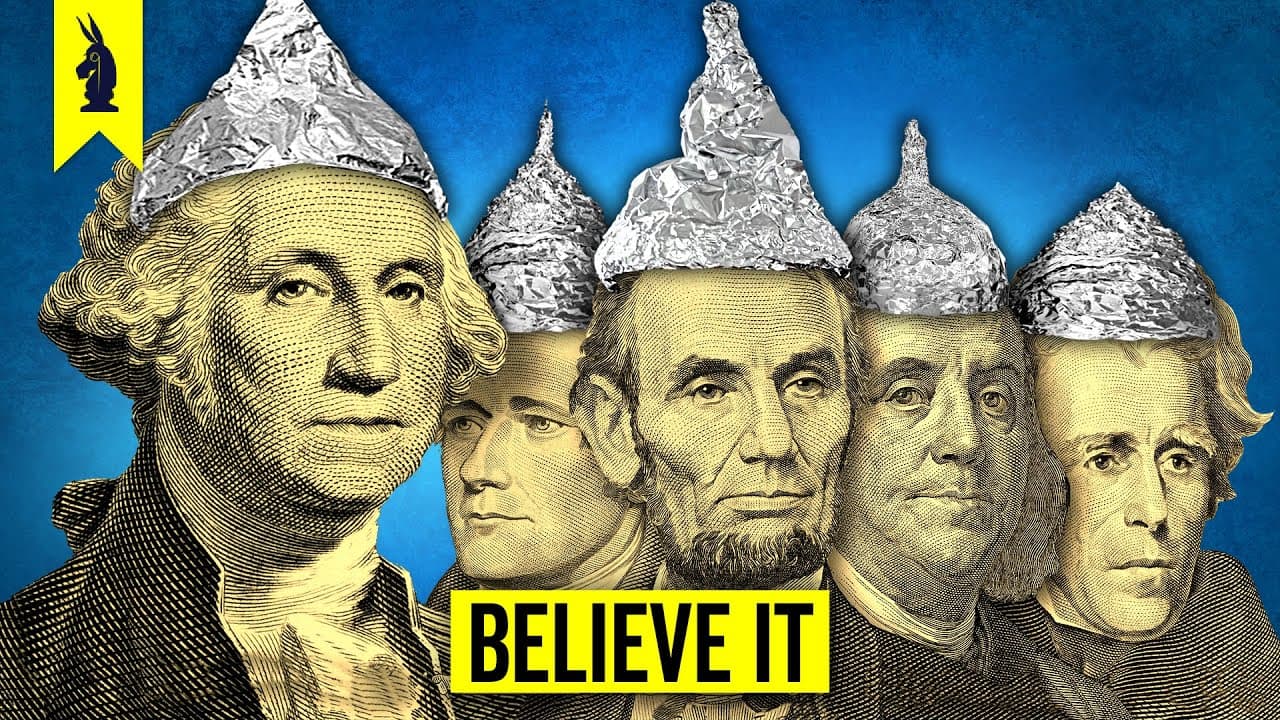
Misinformation thrives in America due to a combination of historical practices, the rise of social media, and the advertising-driven digital news landscape. The internet has lowered barriers to information sharing, allowing emotionally charged and misleading content to spread quickly. As trust in traditional media has eroded, the public's skepticism has increased, making them more susceptible to misinformation.
Transcript
- This video is brought to you by Keeps. (upbeat music) What's up everybody, Michael here to talk about the world's leading advocate against amphibians sexual agency. - I don't like 'em putting chemicals in the water that turn the frigging frogs gay. - Alexander Emerick Jones. There have been better times to be Mr. Jones's wallet. Actually has ther... Read More
Key Insights
- 🐸 Misinformation and disinformation have been around since ancient times and have relied on widespread mediums of communication to spread.
- 📰 The influence of yellow journalism in the 19th century and the rise of opinionated news in the 1980s have contributed to the prevalence of misinformation.
- 🌐 The internet and social media have made it easier than ever to spread misinformation, with algorithms boosting content that evokes extreme emotions.
- 💰 The advertising-driven model of digital news has incentivized the production of sensational and extreme content, further contributing to the spread of misinformation.
- 🌍 We live in a cultural ambiance of post-truth, where there is a breakdown of social trust and a blurring of truth claims in various forms of media.
- 📊 Trust in mass media has decreased significantly, and people have become more skeptical and credulous at the same time.
- 📚 Postmodernism has challenged traditional notions of truth, but it has also led to a market-oriented approach where truth becomes a commodity.
- 💔 Our society is plagued by misinformation, and regaining reverence for truth and objectivity may be crucial to saving ourselves.
Install to Summarize YouTube Videos and Get Transcripts
Explore YouTube Video Summarizer or Get YouTube Transcript Extractor
Questions & Answers
Q: What is the difference between misinformation and disinformation?
Misinformation refers to the sharing of inaccurate and misleading information unintentionally, while disinformation is intentionally spread with the goal of deceiving others, often for political purposes.
Q: How have changes in the media landscape contributed to the spread of misinformation?
The rise of infotainment and the digital attention economy has incentivized news outlets to prioritize sensationalism and extreme opinions to capture audience attention and increase revenue, leading to the proliferation of misinformation.
Q: How has social media played a role in the spread of misinformation?
Social media platforms, driven by algorithms designed to boost engagement, have facilitated the rapid spread of misinformation by rewarding extreme and controversial content, leading to echo chambers and the amplification of misinformation.
Q: How has the erosion of trust in traditional news sources affected the spread of misinformation?
A decline in trust in traditional news sources has made people both more skeptical and more susceptible to believing misinformation, as they seek out alternative sources for information and authority.
Q: Can society regain a reverence for truth and objectivity?
While the current information landscape presents significant challenges, cultivating a culture of critical thinking, media literacy, and fact-checking can help mitigate the spread of misinformation and rebuild trust in truth and objectivity.
Summary & Key Takeaways
-
Misinformation and disinformation have existed throughout history but require widespread mediums of communication to thrive.
-
The advent of the printing press, yellow journalism, and the internet have all contributed to the spread of misinformation.
-
Changes in the media landscape, including the rise of infotainment and the digital attention economy, have further amplified the reach of misinformation and eroded trust in traditional news sources.
Read in Other Languages (beta)
Share This Summary 📚
Summarize YouTube Videos and Get Video Transcripts with 1-Click
Try YouTube Summary with ChatGPT & Claude or YouTube Transcript Generator
Explore More Summaries from Wisecrack 📚
Summarize YouTube Videos and Get Video Transcripts with 1-Click
Try YouTube Summary with ChatGPT & Claude or YouTube Transcript Generator