Is Hila Pregnant Again? H3TV #85
TL;DR
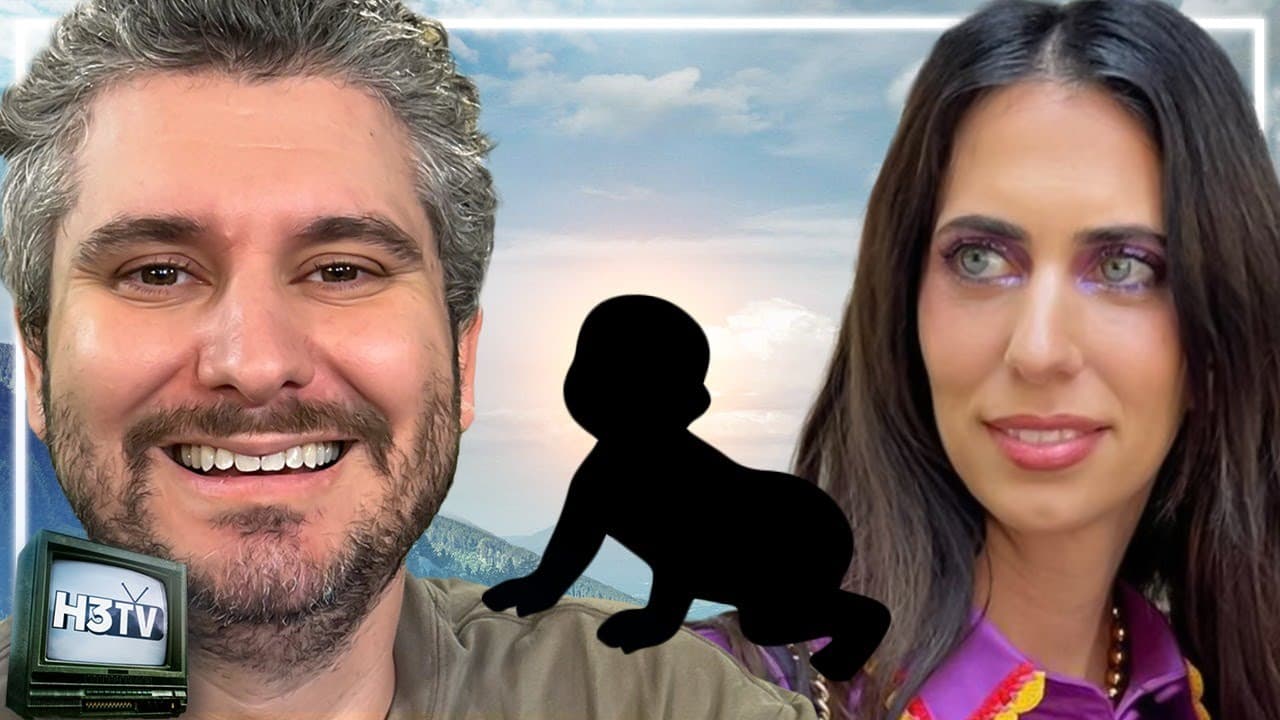
Hila is pregnant again, and the H3 Podcast says the family is expecting another baby boy. Before the announcement, the hosts debate the windshield phenomenon and cite reported declines of 60 to 80 percent in flying insects, raising concerns about animals that eat bugs and the wider ecosystem. Read on for the announcement and the evidence the hosts discuss.
Transcript
two hello hello we're back baby that's right another week of H3 podcast it's Monday July 31st a beautiful summer day the hottest summer in the history of human recording nothing to worry about folks nothing to see here y'all okay I speaking of climate change um so you guys have probably heard about this like people talk about this when we were kids... Read More
Key Insights
- 😋 Bugs play a crucial role in the ecosystem, including pollination and being a food source for many animals.
- 😑 The hosts express concern over the potential ecological impact of a significant decline in bugs.
- 🧑🏭 There is a need for further research and fact-checking to determine the accuracy and causes of the bug decline.
Install to Summarize YouTube Videos and Get Transcripts
Explore YouTube Video Summarizer or Get YouTube Transcript Extractor
Questions & Answers
Q: Is Hila pregnant again in H3TV #85?
Yes. The episode's major announcement is that Hila is pregnant again, and the podcast says the family is expecting another baby boy.
Q: What is the windshield phenomenon discussed on H3TV #85?
It is the observation that fewer dead insects accumulate on car windshields and front bumpers than in the past. The hosts recall windshields being covered with insects during childhood road trips but seeing far fewer now.
Q: Why might fewer bugs hit modern car windshields?
One proposed explanation is that modern cars are more aerodynamic, causing insects to flow over them instead of striking the windshield. The hosts also consider the more disturbing possibility that flying-insect populations have sharply declined.
Q: How much have flying-insect populations reportedly declined?
The hosts cite reports of a 60 percent decrease in flying insects since the 2000s. They also mention a Denmark study reporting an 80 percent decline after adjusting for variables.
Q: What did the Denmark insect study cover?
The hosts describe it as a 20-year study conducted in Denmark from 1997 to 2017. According to the discussion, it found an 80 percent decline in insects after researchers adjusted for variables.
Q: Why are the hosts concerned about declining insect populations?
They say many animals, including birds, reptiles, lizards and frogs, eat bugs. They worry that losing insects could therefore damage the wider ecosystem.
Q: What ecological work do flying insects perform?
The discussion notes that bugs pollinate and provide food for numerous animals. It also humorously points to flies consuming waste and laying eggs in it.
Q: Do the hosts accept the insect-decline figures without question?
No. They repeatedly ask for the claims and cited sources to be fact-checked because the reported decline seems difficult to believe. They specifically question whether fewer windshield impacts reflect insect loss or changes in vehicle aerodynamics.
Summary & Key Takeaways
-
Who: Hila joins H3TV #85 for the episode's major pregnancy announcement.
-
Definition: The windshield phenomenon is the observation that fewer dead insects collect on car windshields and front bumpers.
-
When: The episode opens on Monday, July 31st.
-
Number: The hosts cite a reported 60 percent decrease in flying bugs since the 2000s.
-
Number: A Denmark study reportedly found an 80 percent insect decline after adjusting for variables.
-
Number: The Denmark research covered 20 years, from 1997 to 2017.
-
Compare: Older road trips left windshields covered in insects, while the hosts say many drives now leave almost none.
-
Compare: Aerodynamic cars could divert insects, but falling insect populations could also explain fewer windshield impacts.
-
Who: Birds, reptiles, lizards and frogs are identified as animals that depend on bugs for food.
-
Definition: Insects support ecosystems by pollinating and serving as food for other animals.
-
Tool: The hosts consult Wikipedia and mention an NPR report while asking for stronger fact-checking.
Read in Other Languages (beta)
Share This Summary 📚
Summarize YouTube Videos and Get Video Transcripts with 1-Click
Try YouTube Summary with ChatGPT & Claude or YouTube Transcript Generator
Explore More Summaries from H3 Podcast 📚






Summarize YouTube Videos and Get Video Transcripts with 1-Click
Try YouTube Summary with ChatGPT & Claude or YouTube Transcript Generator