Jillian Teta on Intuitive Eating & Tweaking Your Diet For Longevity | Health Theory
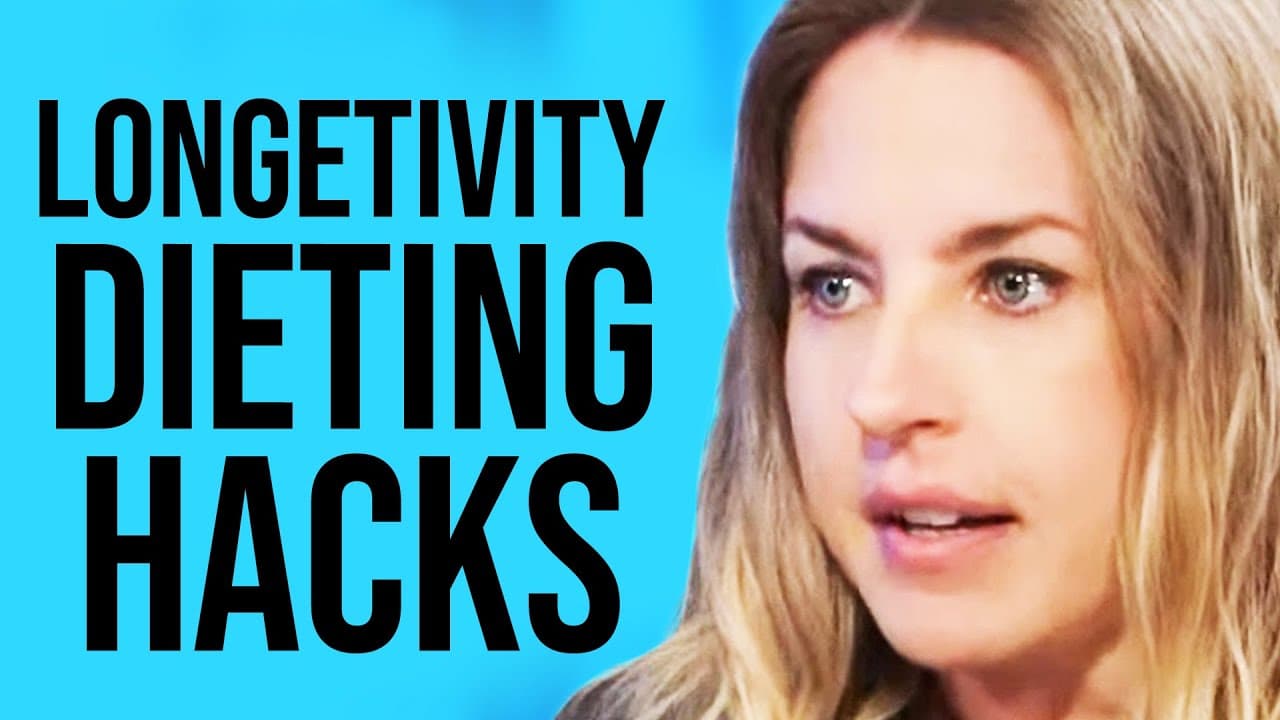
TL;DR
Jillian Teta recommends finding a sustainable diet through self-awareness, attention to hunger and mood, and trust built by testing how foods affect your body. During figure-competition preparation, she kept eating vegetables and avoided food obsession and all-or-nothing thinking. She also explains how nighttime phone use and childhood trauma can affect mental, digestive, and broader physical health. Read on for her practical approach to eating and well-being.
Transcript
so a lot of folks are there scrolling on Instagram at night getting completely overstimulated by the blue light and that's bringing up all of these feelings of like unworthiness like resentment you know our memories start going that is a big reason why like nighttime is an issue especially when we're on our phones because it's opening up this gatew... Read More
Key Insights
- 🩵 Nighttime phone use and exposure to blue light can have negative effects on sleep and mental well-being.
- ✳️ Childhood trauma and abuse can increase the risk of chronic digestive disorders and various diseases.
- 🤳 Self-awareness and experimentation with dietary changes can help optimize gut health and overall well-being.
- 😫 Trusting oneself and setting boundaries are crucial for overcoming negative thought patterns and fostering positive personal narratives.
- 🦧 The gut-brain connection is significant, with the gut microbiome influencing digestion, immunity, and overall health.
- 🧑⚕️ Fecal microbial transplants (FMT) are a promising area of research for addressing gut health issues.
- ❤️🔥 Building digestive fire through enzyme and acid production can improve nutrient absorption and overall gut health.
Install to Summarize YouTube Videos and Get Transcripts
Explore YouTube Video Summarizer or Get YouTube Transcript Extractor
Questions & Answers
Q: How can you learn to eat for your own body?
Start by noticing both your conscious thoughts and your body’s internal cues, including hunger, mood, and irritation. Jillian Teta says repeated experience with eating desired foods without derailing her plan helped her build trust in herself.
Q: What is intuitive eating according to Jillian Teta’s approach?
Her approach centers on self-awareness, including awareness of thoughts and the signals the body presents. She pays attention to factors such as hunger and mood while recognizing that an off-plan food does not necessarily ruin the broader diet.
Q: How did Jillian Teta protect her digestion during figure-competition preparation?
She says she did not struggle with gut health during competition preparation. Her medical background helped her take a grounded approach to nutrition, and she consistently made sure to eat vegetables.
Q: How can competitors avoid becoming obsessed with food?
Teta avoided the all-or-nothing mentality and did not treat an off-plan food as something that would destroy her progress. She also knew how to eat for her body and trusted herself because she had repeatedly shown that occasional deviations would not take her off track.
Q: Why can figure-competition diets become difficult to sustain?
Preparation can involve weeks or months of eating bland foods, such as boiled chicken breast and broccoli, multiple times a day. Teta describes how competitors may become food-obsessed and then feel unsure how to eat after the show, sometimes gaining 30 pounds in six weeks.
Q: How does nighttime phone use affect emotional well-being?
Scrolling on Instagram at night can be overstimulating because of the blue light. Teta says nighttime phone use can open a gateway to the limbic system and bring up feelings such as unworthiness and resentment, along with emotionally charged memories.
Q: How can childhood trauma affect digestive and long-term health?
Teta says people exposed to abuse, trauma, or an alcoholic or addicted household are more likely to develop chronic digestive disorders such as IBS and inflammatory bowel disease. She also associates those childhood experiences with greater risk of multiple cancers, cardiovascular disease, and neurodegenerative disease.
Q: What does a glucose monitor reveal about personalized nutrition?
The host says wearing a glucose monitor showed how foods affected him differently from his wife. That disparity illustrates why people need to observe their own responses rather than assume that everyone reacts to food in the same way.
Summary & Key Takeaways
-
Nighttime phone use and exposure to blue light can disrupt sleep and increase feelings of unworthiness and resentment.
-
Trauma or abuse in childhood can lead to chronic digestive disorders and increase the risk of various diseases, including cancer, cardiovascular disease, and neurodegenerative disease.
-
Maintaining self-awareness and experimenting with dietary changes can help in discovering the best eating habits for individual needs.
-
Building trust in oneself, setting boundaries, and clear communication are key to overcoming negative thought patterns and changing personal narratives.
Read in Other Languages (beta)
Share This Summary 📚
Summarize YouTube Videos and Get Video Transcripts with 1-Click
Try YouTube Summary with ChatGPT & Claude or YouTube Transcript Generator
Explore More Summaries from Full Episodes of Health Theory 📚




Summarize YouTube Videos and Get Video Transcripts with 1-Click
Try YouTube Summary with ChatGPT & Claude or YouTube Transcript Generator