How to Distinguish Critics from Haters
TL;DR
Recognizing the difference between critics and haters is crucial for mental well-being. Critics aim to help us improve, while haters often project their issues onto others without constructive intent. Protecting our self-worth from unwarranted negativity is essential for personal growth.
Transcript
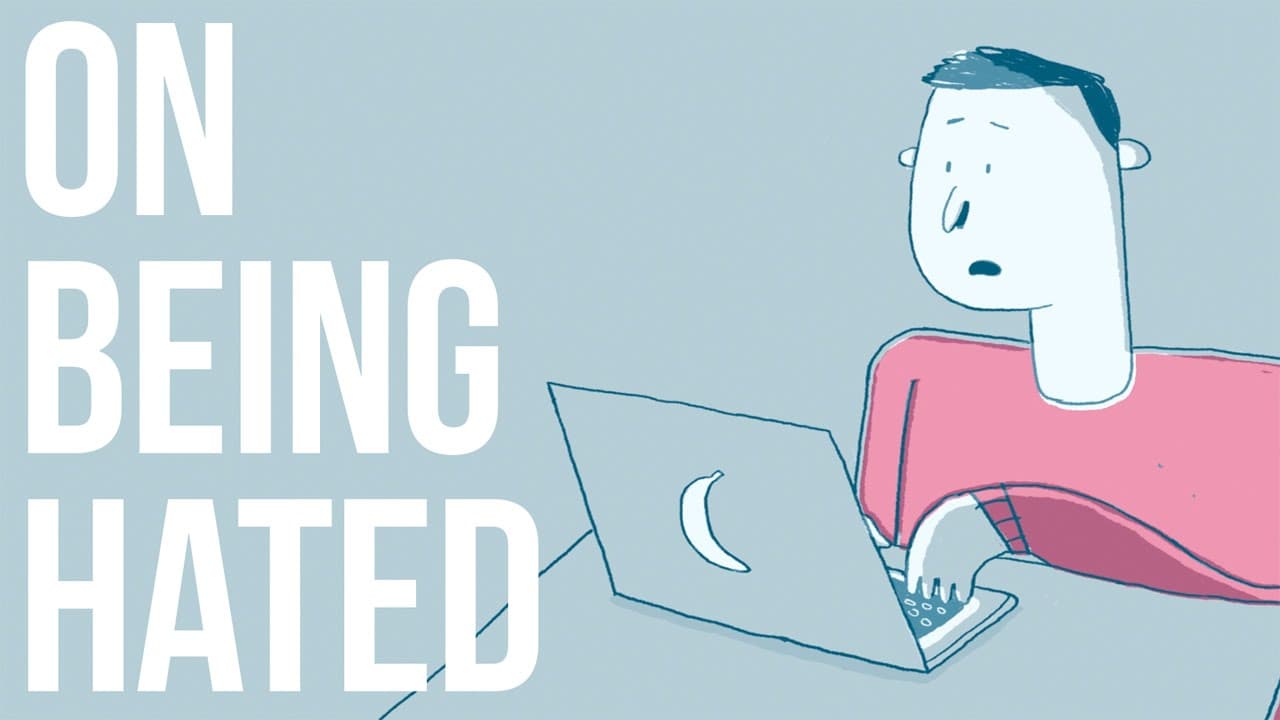
learning that someone hates us deeply even though we've done nothing ostensibly to provoke them can be one of the most alarming situations we face because of Technology it's also liable to happen to us more and more in the past our enemies were restricted to the vicinity now they lie scattered around the digital planet in the past we might once hav... Read More
Key Insights
- 👻 The nature of enmity has transformed, allowing hatred to be less localized and more widespread in the digital realm.
- 🖤 Being hated can provoke an emotional response not aligned with the actual threat level, as most online attacks lack physical aggression.
- 🥺 Openness to criticism is a double-edged sword, leading to vulnerability without discernment regarding the source of feedback.
- 🤳 Critics are valuable for growth, while haters bring unnecessary negativity that should not alter one’s self-esteem or self-concept.
- ✳️ The psychological wounds created by hate are often disconnected from actual physical risks, underscoring our freedom from tribal judgments.
- 🤳 Maintaining self-worth is critical; no one should surrender their dignity to cruel opinions, regardless of their perceived accuracy.
- 😑 Understanding that those who express hatred are often struggling with their own issues can provide context for their behavior, highlighting the importance of empathy.
Install to Summarize YouTube Videos and Get Transcripts
Explore YouTube Video Summarizer or Get YouTube Transcript Extractor
Questions & Answers
Q: What psychological effects can arise from experiencing hatred online?
Experiencing hatred online can lead to anxiety, lowered self-esteem, and even depression. The constant exposure to negative opinions can create an environment where individuals second-guess their worth and abilities. As the digital landscape gives voice to a broader audience, the emotional impact of harsh judgments can feel particularly acute, emphasizing the need for mental resilience in the face of irrational animosity.
Q: How did the nature of our enemies change in the digital age?
In the past, enemies were often local and personal, posing physical threats limited to a specific geography. Today, anyone with internet access can express hatred from anywhere, creating a feeling of vulnerability. This shift means individuals must navigate a vast online landscape where hateful sentiment is constantly present, exacerbating feelings of isolation and concern for one’s personal safety.
Q: Why should we distinguish between critics and haters?
Critics often provide feedback aimed at fostering growth and insight, whereas haters attack one's character without constructiveness. This distinction is crucial because while criticism can lead to personal development, hatred typically stems from the hater's own issues or frustrations. Maintaining a clear boundary between the two can protect one's self-esteem and promote a healthier reaction to criticism.
Q: What strategies can we use to cope with online hatred?
To cope with online hatred, it's essential to develop emotional resilience by managing exposure to negativity, practicing self-compassion, and reframing critical messages as growth opportunities. Engaging with supportive communities and focusing on constructive feedback helps mitigate feelings of despair. Establishing healthy boundaries with online interactions can also protect mental health.
Summary & Key Takeaways
-
In today's digital age, individuals can face haters from anywhere, leading to unexpected emotional distress despite no real provocation. This widespread access to opinions can amplify feelings of vulnerability.
-
Many people struggle to filter genuine criticism from hatred, often associating the negativity with their worth, overlooking that enemies may be psychologically damaged individuals projecting their issues onto others.
-
It’s vital to acknowledge that self-love shouldn't be compromised by cruel attacks; there is a profound distinction between constructive criticism aimed at growth and harmful hatred fueled by personal issues.
Read in Other Languages (beta)
Share This Summary 📚
Summarize YouTube Videos and Get Video Transcripts with 1-Click
Try YouTube Summary with ChatGPT & Claude or YouTube Transcript Generator