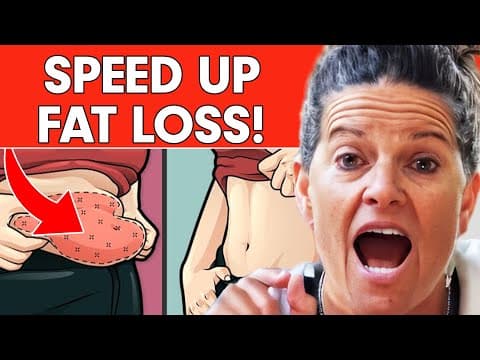
How to lower cortisol and shrink belly fat fast

TL;DR
Lower cortisol by aligning your morning activity with its natural rhythm and by reducing stress responses throughout the day. Focus on five actionable steps: manage cortisol patterns, support nervous system rest, optimize estrogen-related metabolism with fiber and whole foods, avoid overtraining, and minimize plastic and chemical exposure that raise cortisol. This combination helps reduce belly fat by improving insulin sensitivity and gut health.
Transcript
If you've got a belly that will not budge and you're really frustrated with it and you've tried everything, you've eaten all the right foods and you exercise and you fast and you do everything that every single health influencer has told you to do, [music] but it's not changing around the belly. I want to tell you something that will hopefully make... Read More
Key Insights
- Cortisol disruption is a key driver of belly fat and can shift fat storage to the midsection.
- Cortisol naturally peaks after waking; the optimal strategy is movement in the first hour to two hours after waking.
- Estrogen decline with age reduces stress buffering and insulin sensitivity, increasing belly fat risk.
- A leaky gut can amplify cortisol effects and contribute to belly fat through toxins and inflammation.
- Overtraining and excessive restriction raise stress hormones and hinder fat loss, especially around the belly.
- Protecting nervous system capacity and reducing stress responses improves hunger signals and fat distribution.
- Exposure to everyday chemicals like plastics can raise cortisol and blunt insulin signaling.
- Eating for estrogen and fiber intake supports hormone balance and reduces belly fat accumulation.
Install to Summarize YouTube Videos and Get Transcripts
Explore YouTube Video Summarizer or Get YouTube Transcript Extractor
Questions & Answers
Q: A real search query question about the video (e.g. 'How to...', 'What is...', 'Why does...', 'When should...'). Question 1
How can I lower cortisol to reduce belly fat and improve metabolic health? The answer involves restoring cortisol rhythm through morning movement, avoiding overtraining, and reducing stress exposure. Use gentle, consistent activity in the morning to capitalize on the natural cortisol peak, then practice rest and recovery later in the day to prevent chronic stress responses that promote belly fat storage.
Q: Question 2
What is the role of estrogen in belly fat and how can it be supported through diet? Estrogen helps buffer stress and maintains insulin sensitivity, both of which influence fat distribution. To support estrogen activity, focus on a fiber-rich, whole foods diet, avoid ultra-processed foods, and choose foods that help fiber intake to around 30 grams daily for better estrogen metabolism and reduced belly fat risk.
Q: Question 3
Why does stress influence appetite and hunger signals, and how can you regain control? Stress hormones scramble hunger cues and promote reward-based eating, which can lead to increased belly fat. Rebalancing stress through movement, rest, and mindfulness helps restore normal hunger signaling and supports healthier food choices, aiding belly fat reduction over time.
Q: Question 4
What is the connection between gut health and cortisol in belly fat development? The gut cortisol loop means chronic stress can loosen gut tight junctions, increasing leakiness and systemic inflammation, which promotes weight retention in the belly. Improving gut health with diet and stress management helps normalize cortisol and fat distribution.
Q: Question 5
How should training volume be adjusted to support cortisol balance? Overtraining and insufficient recovery raise cortisol, hindering fat loss. Reducing training volume for a week or two and prioritizing recovery can shift the nervous system toward safety, lowering cortisol levels and allowing better fat loss progress around the midsection.
Q: Question 6
Which lifestyle changes reduce exposure to cortisol-raising chemicals? Plastics and phthalates can raise cortisol and blunt insulin signaling, contributing to belly fat. Limiting exposure by choosing fewer plastic-packaged foods and using safer materials can help normalize hormonal balance and support fat loss efforts.
Q: Question 7
What is the recommended approach to dietary fats and carbs when estrogen declines with age? Emphasize fiber, protein, and healthy fats, while reducing ultra-processed foods. This supports estrogen metabolism, maintains insulin sensitivity, and can help keep belly fat under control as hormonal balance shifts with aging.
Q: Question 8
What practical steps can be taken today to start reducing cortisol and belly fat? Start with a morning movement routine, implement stress-reducing practices, ensure 30 grams of fiber daily, limit overtraining, and minimize exposure to endocrine disruptors. Combine these with a shift toward whole foods for a tangible, sustainable impact on belly fat over time.
Summary & Key Takeaways
-
Belly fat is often driven by safety and stress signals, not just calories, and activating the body’s morning cortisol spike through movement can support fat loss.
-
Estrogen decline with age reduces stress buffering and insulin sensitivity, so dietary choices that support estrogen and fiber intake help manage belly fat.
-
A holistic approach that includes stress management, gut health, and cautious training volume is more effective than extreme dieting for belly fat reduction.
Read in Other Languages (beta)
Share This Summary 📚
Summarize YouTube Videos and Get Video Transcripts with 1-Click
Try YouTube Summary with ChatGPT & Claude or YouTube Transcript Generator
Explore More Summaries from Dr. Mindy Pelz 📚




Summarize YouTube Videos and Get Video Transcripts with 1-Click
Try YouTube Summary with ChatGPT & Claude or YouTube Transcript Generator