Can We Create a New Social Network Model?
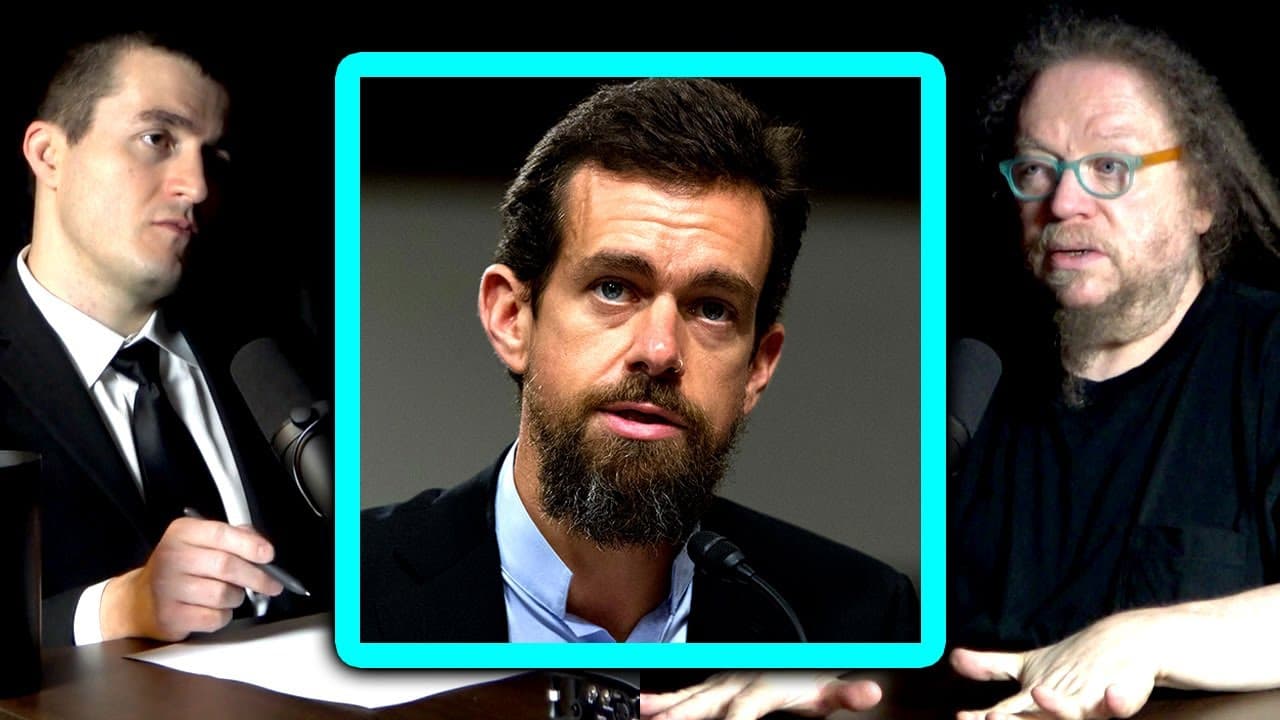
TL;DR
It's possible to innovate beyond Twitter and Facebook by developing social media platforms that prioritize diverse values. Current systems focus on superficial engagement, but a futuristic vision combines features of TikTok and GitHub, enabling users to shape their happiness and negotiate returns through communal networks. This shift could lead to a more rewarding economic model centered on meaningful contributions.
Transcript
do you think it's possible to um to create a social network that competes with twitter and facebook that's large and centralized in this way not centralized or large large how do we get all right so i got to tell you how to get from what i'm talking how to get from where we are to anything kind of in the zone of what i'm talking about is challengin... Read More
Key Insights
- 🥺 Scaling social media platforms often reveals flaws within the incentivization model and leads to negative behaviors.
- 🥺 The current incentivization model prioritizes the cheapest possible ways of grabbing attention, leading to superficial engagement.
- 🤞 There is hope for innovative platforms that prioritize productivity, creativity, and genuine market interactions over superficial metrics.
- 🍉 A future vision involves a combination of TikTok and GitHub, where individuals have control over their long-term goals and negotiate for returns.
- 🧑🎨 Joining different artist communities or data unions could help distribute network effects and mitigate the randomness of success.
- 📺 This vision offers an alternate economic system that rewards value as perceived by others, rather than being doled out by a central authority.
- 🧠 The focus should be on creating platforms that incentivize meaningful contributions and resist lizard brain-based funding mechanisms.
- 🎙️ More videos with Jack Dorsey:
Install to Summarize YouTube Videos and Get Transcripts
Explore YouTube Video Summarizer or Get YouTube Transcript Extractor
Questions & Answers
Q: How has Twitter changed as it scaled and algorithms became more influential?
As Twitter grew, the influence of algorithms increased, leading to a rise in negative and paranoid behaviors on the platform. The initial sweet and cute phase gave way to a darker and more divisive culture.
Q: What is the current incentivization model of social media platforms?
The current model focuses on grabbing people's attention in the cheapest possible way, prioritizing engagement metrics like likes and shares. This often leads to superficial interactions and discourages meaningful content.
Q: How could social media platforms incentivize different things?
There is hope for innovative platforms that prioritize values like productivity, creativity, and genuine market interactions. This could be achieved by creating alternate economic systems that reward contributions to algorithms and robots, rather than just grabbing attention.
Q: What is the future vision for social media platforms?
The future could involve a combination of TikTok and GitHub, where individuals have control over their long-term goals and join different artist communities or data unions. The focus would be on negotiating for returns and finding value in contributing to algorithms and robots.
Summary & Key Takeaways
-
Twitter started off as a sweet and cute platform, but as it scaled and algorithms became more influential, it has seen a rise in negative and paranoid behaviors.
-
The current incentivization of social media platforms focuses on superficial engagement, and there is a need for innovation to prioritize different values.
-
A future vision involves a combination of TikTok and GitHub, where individuals have control over their long-term happiness and goals, negotiate for returns, and join different artist communities to benefit from network effects.
Read in Other Languages (beta)
Share This Summary 📚
Summarize YouTube Videos and Get Video Transcripts with 1-Click
Try YouTube Summary with ChatGPT & Claude or YouTube Transcript Generator
Explore More Summaries from Lex Clips 📚



Summarize YouTube Videos and Get Video Transcripts with 1-Click
Try YouTube Summary with ChatGPT & Claude or YouTube Transcript Generator