How Can ADHD Be Transformed into a Superpower?
TL;DR
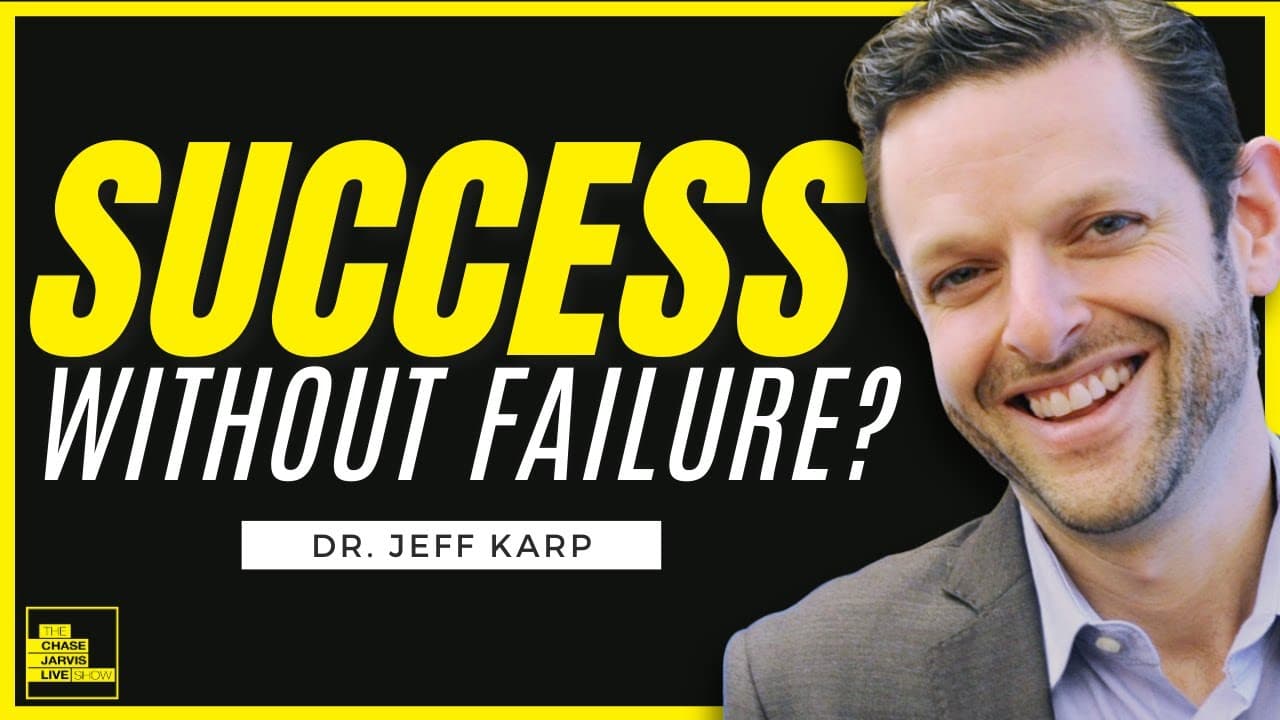
Dr. Jeff Karp believes ADHD can be turned into a superpower by embracing failure as a crucial part of the learning process. He emphasizes the importance of neuroplasticity, community support, and the courage to take risks, suggesting that creativity often surfaces through setbacks. By tapping into unique problem-solving methods inspired by nature, individuals can innovate and thrive despite challenges.
Transcript
if you succeed without failing then you're extraordinarily lucky every time we start projects I know that we are likely going to fail right I don't know if the students in the lab know what how high the probability is that we are going to fail the first time but I also know that our best ideas the parts of the like the most patentable things that w... Read More
Key Insights
- ❓ Failure is a prerequisite for success and a catalyst for creativity and innovation.
- 🤔 Embracing neuroplasticity and metacognition, or thinking about thinking, can lead to greater self-awareness and new avenues of problem-solving.
- ❓ The role of mentors, support systems, and community is crucial in overcoming obstacles and achieving success.
- 🥺 Bioinspiration, looking to nature for solutions, can provide fresh insights and lead to breakthrough innovations.
- 💦 Awareness of brain chemistry and the impact of habits, routines, and media consumption on mental states can guide individuals in making intentional choices that work in their favor.
- 🥺 Slowing down, pausing, and reflecting on experiences can lead to deeper connections, heightened creativity, and a more purposeful approach to life.
Install to Summarize YouTube Videos and Get Transcripts
Explore YouTube Video Summarizer or Get YouTube Transcript Extractor
Questions & Answers
Q: How did Dr. Karp's struggles with learning differences in second grade shape his approach to problem-solving?
In second grade, Dr. Karp's struggles with undiagnosed ADHD and learning differences led him to develop tools for problem-solving and thinking about thinking. This experience sparked his curiosity and set the foundation for his lifelong journey of embracing failure and finding unique solutions.
Q: How does identity play a role in the process of learning and adapting?
Dr. Karp highlights the impact of identity on learning and emphasizes the need to question and redefine our identities throughout life. He shares that his identity evolved based on the environments he was in and the people he surrounded himself with, allowing him to continually grow and discover his true self.
Q: How does bioinspiration contribute to the problem-solving process?
Bioinspiration involves looking to nature for innovative solutions and ideas. Dr. Karp shares examples of how observing and mimicking natural systems, such as the water-repellent abilities of certain organisms, led to breakthroughs in his research. This approach allows for fresh perspectives and unlocks unexpected solutions.
Q: How can individuals tap into their neuroplasticity to enhance creativity and problem-solving abilities?
Dr. Karp suggests that individuals can tap into their neuroplasticity by constantly learning, practicing new skills, and challenging their existing patterns of thinking. By embracing failure and being willing to adapt and grow, individuals can rewire their brains for enhanced creativity and problem-solving.
Summary & Key Takeaways
-
Dr. Jeff Karp, a biomedic engineer and professor, shares his journey of embracing failure and finding purpose in his work.
-
He emphasizes the importance of tapping into neuroplasticity and being open to new perspectives in order to foster creativity and innovation.
-
Dr. Karp highlights the significance of community support, mentorship, and taking calculated risks in achieving success.
Read in Other Languages (beta)
Share This Summary 📚
Summarize YouTube Videos and Get Video Transcripts with 1-Click
Try YouTube Summary with ChatGPT & Claude or YouTube Transcript Generator
Explore More Summaries from The Chase Jarvis LIVE Show 📚



Summarize YouTube Videos and Get Video Transcripts with 1-Click
Try YouTube Summary with ChatGPT & Claude or YouTube Transcript Generator