What Is Web3 and How Does It Transform Ownership Online?
TL;DR
Web3 is an evolution of the internet that prioritizes user ownership and decentralization through technologies like tokens and NFTs. It allows creators to directly monetize their work without intermediaries and fosters a composable ecosystem where applications can interact seamlessly. This shift not only enhances creative freedom but also ensures users retain control over their data and digital assets.
Transcript
we have an important preface an important caveat an important disclaimer before we get started and here it is provided from my lovely lawyers here we go i am not an investment advisor all opinions are mine alone there are risks involved in placing any investment in securities or in bitcoin or in cryptocurrencies or in anything none of the informati... Read More
Key Insights
- 🌍 Web 3.0: Web 3.0 is an internet owned by users and builders orchestrated with tokens. It allows for the creation and exchange of digital assets through the use of NFTs (non-fungible tokens). The concept of composability, where different applications and media can be plugged together like Lego blocks, is a key feature of Web 3.0.
- 💡 NFTs: NFTs, or non-fungible tokens, enable digital private property by allowing for unique digital assets to be created, owned, and traded. NFTs have the potential to revolutionize industries such as art and music by providing creators with more control and ownership over their work.
- 💰 Value of NFTs: NFTs have the potential to create new economic models and revenue streams for creators. Artists and musicians, for example, can directly monetize their work and participate in the value created by their creations, rather than relying on intermediaries such as record labels or streaming platforms.
- 📈 Composability: Web 3.0 is characterized by composability, which means that different applications and media can be easily combined and interconnected. This allows for the creation of new and innovative products and experiences by building on top of existing platforms and assets.
- 🚀 Low Barriers to Entry: Web 3.0 lowers the barriers to entry for creators and entrepreneurs, allowing them to easily experiment, launch projects, and reach escape velocity. The low cost and ease of experimentation enable a wide range of innovative ideas to be explored and tested.
- 💻 Open Source: Open source software plays a crucial role in Web 3.0, enabling rapid innovation and collaboration. Developers can easily access and build upon existing code, creating a rich ecosystem of interconnected applications and services.
- 🌐 Ownership and Control: In Web 3.0, ownership and control are distributed among users and contributors, rather than being concentrated in the hands of centralized companies. Through the use of tokens and decentralized networks, individuals have more control over their data, platforms, and digital assets.
- 🎨 Creative Freedom: NFTs and Web 3.0 provide creators with new avenues for creative expression and monetization. Artists, musicians, and writers can create, sell, and distribute their work directly to their audience, without the need for traditional gatekeepers or intermediaries.
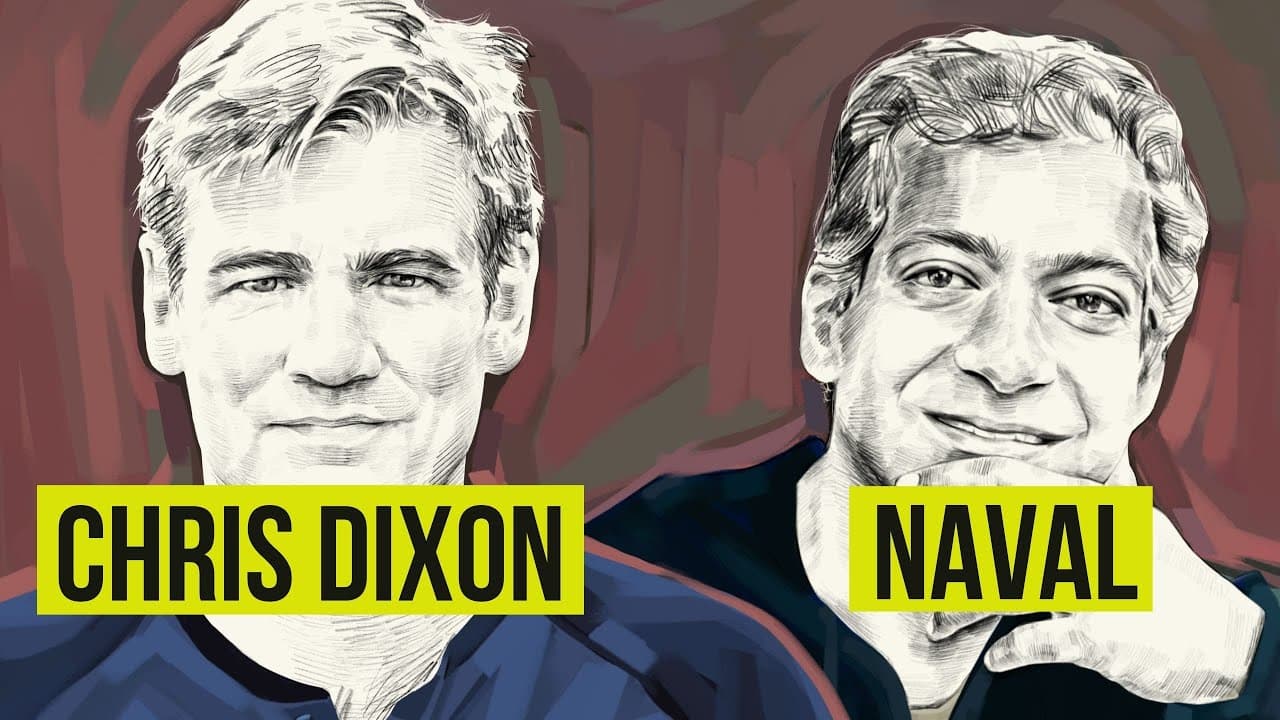
- 🎙️ More videos with Naval Ravikant / Chris Dixon:
Install to Summarize YouTube Videos and Get Transcripts
Explore YouTube Video Summarizer or Get YouTube Transcript Extractor
Questions & Answers
Q: What are the key differences between Web1, Web2, and Web3?
Web1 was characterized by open protocols and limited functionality, while Web2 introduced closed platforms and user-generated content. Web3, on the other hand, is about ownership, decentralization, and the use of tokens like NFTs to create unique digital assets.
Q: How do NFTs benefit artists and creators?
NFTs allow artists and creators to directly monetize their work without intermediaries. They can sell their digital assets as NFTs, retain ownership, and receive royalties from secondary sales. This provides them with a new revenue stream and the ability to build a loyal fanbase.
Q: What is the concept of composability in Web3?
Composability in Web3 refers to the ability of different applications to connect and interact with each other, similar to building blocks or Legos. This allows for the creation of innovative products and services by combining existing components and creating new functionalities.
Q: How does Web3 challenge the traditional centralized model of platforms like Spotify and social media platforms?
Web3 challenges the centralized model by giving users more control over their data and empowering creators with direct ownership and monetization. Instead of relying on platforms to distribute and control content, Web3 allows individuals to own and control their digital assets, ensuring a fairer and more equitable ecosystem.
Q: Can you provide examples of how NFTs and composability are being used in the Web3 space?
NFTs have been used in various ways, such as digital art, collectibles, and virtual real estate. For example, artists can mint their artwork as NFTs and sell them directly to collectors. Composability allows these NFTs to be used in different applications, such as gaming, social media, and virtual worlds, creating new and innovative experiences for users.
Q: How does the concept of composable NFTs enable new forms of collaboration and creativity?
Composable NFTs enable collaboration by allowing different creators and developers to work together and build upon each other's creations. For example, musicians can collaborate with visual artists to create immersive music experiences, or game developers can use NFTs to allow players to own and trade in-game assets. This opens up new possibilities for cross-disciplinary collaborations and creative expression.
Summary & Key Takeaways
-
Web1 (1990-2005) was dominated by open protocols and limited functionality, while Web2 (2005-Now) introduced closed platforms and user-generated content.
-
Web3 is the vision of an internet owned by users and builders, orchestrated with tokens such as NFTs.
-
NFTs enable digital ownership and the creation of unique digital assets, empowering artists, musicians, and creators to monetize their work directly without intermediaries.
-
Composability in Web3 allows for the connection and interoperability of different applications, creating a vibrant ecosystem of decentralized services.
Read in Other Languages (beta)
Share This Summary 📚
Summarize YouTube Videos and Get Video Transcripts with 1-Click
Try YouTube Summary with ChatGPT & Claude or YouTube Transcript Generator
Explore More Summaries from Tim Ferriss 📚

Summarize YouTube Videos and Get Video Transcripts with 1-Click
Try YouTube Summary with ChatGPT & Claude or YouTube Transcript Generator