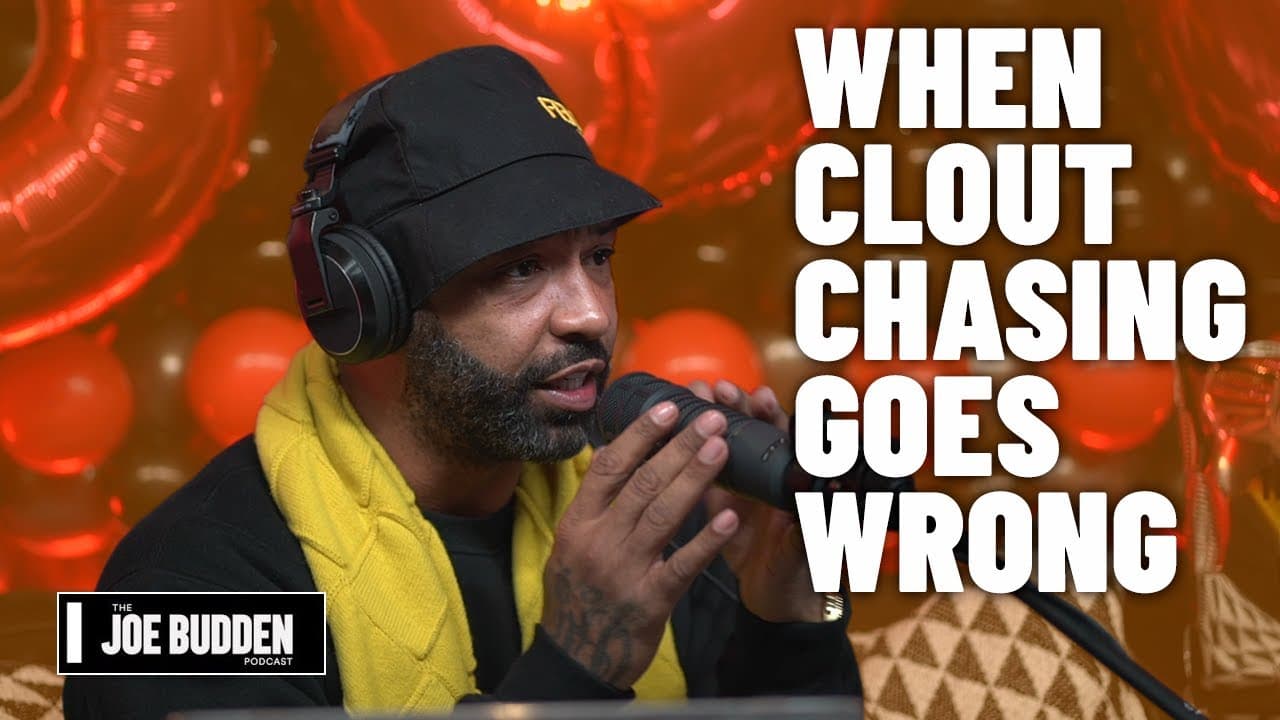
What Happens When Clout Chasing Targets Black Women?
TL;DR
Clout chasing can lead to harmful remarks that disrespect marginalized groups, particularly Black women. The discussion emphasizes that genuine preferences in dating should never involve derogatory comments, as they perpetuate stereotypes and cultural harm. Accountability in media and community support are essential to combat these negative narratives.
Transcript
come on man let's talk about these two doofs i'm not very hipster but we were supposed to enlighten me we supposed to transition to talk about it earlier but that's cool i ain't gonna bring light to that [ __ ] and i kind of already addressed it the way i needed to on instagram but it was eating me up inside that's what was happening i was home aft... Read More
Key Insights
- 🔉 Sensationalist media practices can provoke serious societal backlash and emphasize destructive stereotypes.
- 🧑🤝🧑 Preference in dating should not involve derogatory remarks about others, which reinforce harmful cultural narratives.
- 🎵 There is a noted difference between a genuine comedic intent and rhetoric that perpetuates division and disrespect.
- 🔉 Accountability in media and for content creators is vital for fostering a balanced and respectful public dialogue.
- 🖤 The conversation reflects a broader issue concerning the treatment of Black women and the need for community support in repudiating harmful statements.
- 👥 The normalization of offensive humor contributes to harmful stereotypes and societal alienation, specifically targeting marginalized groups.
- 🆘 Collective community action against disparaging remarks can help reshape public perceptions and combat misinformation.
Install to Summarize YouTube Videos and Get Transcripts
Explore YouTube Video Summarizer or Get YouTube Transcript Extractor
Questions & Answers
Q: What sparked the recent outrage among the speakers regarding the podcasters' comments?
The outrage stemmed from derogatory remarks made about Black women by the podcasters, which were perceived as not just tasteless but also indicative of a broader societal issue in how Black women are often marginalized and disrespected in media narratives. The speakers felt compelled to address this insensitive behavior, emphasizing that it is crucial to call out such comments publicly to challenge negative stereotypes.
Q: How do the speakers differentiate between comedy and harmful rhetoric?
The speakers stress that while humor can be a powerful tool for communication and connection, it crosses a line when it contributes to the belittlement of marginalized groups. They argue that sincere comedy should never aim to demean or devalue people based on their race or gender, and the recent remarks fail to meet this standard by adopting an insulting tone rather than fostering understanding or laughter.
Q: What role does social media play in shaping public discourse, according to the speakers?
Social media amplifies controversial statements, often rewarding those who provoke outrage for clicks and views. The speakers point out that many content creators prioritize sensationalism over substance, leading to discussions that disregard the implications of their words, particularly around sensitive topics like race and gender. This environment encourages harmful narratives to thrive without accountability.
Q: What are the dangers associated with the "clickbait" culture described in the content?
The dangers include desensitization to genuine issues, the encouragement of hateful rhetoric for profit, and a lack of acknowledgment of real-world consequences that can arise from such commentary. The speakers argue that this creates an environment where individuals feel emboldened to exploit harmful stereotypes, thinking they can escape ramifications, ultimately leading to societal divisions and increased tensions.
Q: How do the speakers feel about the responsibility of influencers in shaping narratives?
The speakers believe that influencers carry significant responsibility in shaping cultural narratives. They argue that those with substantial platforms should use their influence wisely and advocate for respectful, informed dialogue, particularly regarding issues affecting marginalized communities. Promoting positive representation and constructive criticism is essential in combating the prevailing negative stereotypes.
Q: What do the speakers propose as a way to address the issues raised?
They suggest that the community must unite to challenge disrespectful narratives and support more positive representations of Black women. This could involve boycotting harmful platforms, participating in constructive discussions, and fostering environments where respect and understanding are prioritized. Encouraging influencers to acknowledge their impact and take accountability for their statements is also crucial.
Summary & Key Takeaways
-
The dialogue revolves around controversial remarks made by two individuals who appear to target and disrespect Black women, attempting to frame their views as preferences while reinforcing harmful stereotypes.
-
There's an analysis of the sensationalist nature of social media content creation, with an emphasis on the risks of seeking attention through incendiary statements, which ultimately leads to real-life consequences.
-
The speakers highlight the need for accountability and responsible discourse in media, pointing out that joking about marginalized communities can perpetuate harm and calls for a more community-focused approach to prevent such occurrences.
Read in Other Languages (beta)
Share This Summary 📚
Summarize YouTube Videos and Get Video Transcripts with 1-Click
Try YouTube Summary with ChatGPT & Claude or YouTube Transcript Generator
Explore More Summaries from Joe Budden TV 📚

Summarize YouTube Videos and Get Video Transcripts with 1-Click
Try YouTube Summary with ChatGPT & Claude or YouTube Transcript Generator