How to Reframe Your Past for Personal Growth
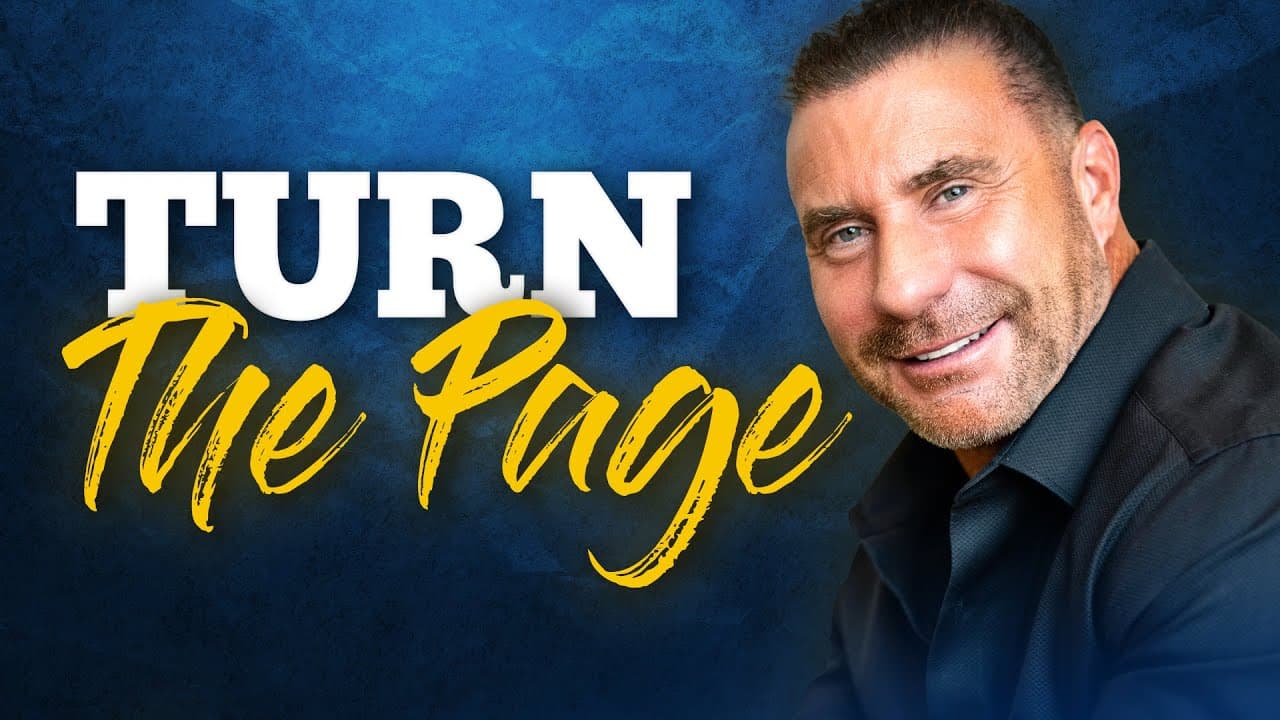
TL;DR
Reframe your past by treating it as a reference point rather than a prison and choosing what past events mean for you now. Memories are reconstructed and may not be completely accurate, while comparisons with your former life or earlier expectations can undermine presence and self-confidence. Mindful awareness, future-focused journaling, mental rehearsal, and small wins can redirect you toward what comes next. Read on for practical ways to start a new chapter.
Transcript
I think one of the invisible things that's holding many people back is exactly this. It's holding on to a comparison of a previous time in your life or comparing to where you thought you'd be by now. If your past is weighing you down, just know there's a good chance you're not even remembering it, right? And if it's true, maybe you don't need to ke... Read More
Key Insights
- Memory is reconstructive and often inaccurate, leading us to hold onto false narratives.
- Comparing your current self to past expectations can keep you stuck and hinder growth.
- Reframing your past allows you to choose the meaning and impact of past events.
- Future-focused journaling helps redirect thoughts from past regrets to future aspirations.
- Small wins create momentum, which is more important than having a perfect past.
- Mental rehearsal and visualization can help you align your actions with future goals.
- Taking responsibility for your current state empowers you to make new choices.
- Shifting from a sympathetic to a parasympathetic state fosters creativity and growth.
Install to Summarize YouTube Videos and Get Transcripts
Explore YouTube Video Summarizer or Get YouTube Transcript Extractor
Questions & Answers
Q: How can you reframe your past for personal growth?
Acknowledge what happened without ignoring it, then choose what it means and how it affects you now. Treat the past as a reference point rather than a prison, and focus on the person you choose to become.
Q: Why can comparing your present life with your past hold you back?
Comparing today with a previous relationship, career, or level of happiness can steal your joy and pull you out of the present moment. Comparing yourself with where you once expected to be can also weaken self-confidence and reinforce the thought that you should be further along.
Q: Why might memories be unreliable?
The speaker says the brain does not preserve memories like an exact video; it acts more like an editor that remixes, rewrites, and cuts details. Memories may fall within a range of accuracy without being completely accurate, so they should not automatically define your identity.
Q: How can you stop ruminating on past regrets?
Use mindful awareness to notice when your thoughts return to regret, then redirect your attention toward the present or future. Replace “Why did I do that?” with “What’s next?” and reinforce the shift through future-focused journaling or mental rehearsal.
Q: How does future-focused journaling support personal growth?
Future-focused journaling redirects attention from past regrets toward future aspirations. Writing about the future you want can align your thoughts and actions with new choices instead of keeping you anchored to an old story.
Q: What role does mental rehearsal play in moving forward?
Mental rehearsal helps you visualize future goals and the actions connected to them. It shifts your attention from replaying the past toward preparing for what you want to do next.
Q: Why do small wins matter more than having a perfect past?
Small wins create momentum toward the future, while pursuing or imagining a perfect past keeps attention turned backward. That momentum supports continued action and helps you begin writing a new chapter.
Q: What mantra can help you let go of the past?
The suggested mantra is: “I honor the past, but I don’t live there.” It recognizes what happened while reinforcing that you are not your mistakes or old story; you are who you choose to be now.
Summary & Key Takeaways
-
Reframing your past can liberate you from the weight of inaccurate memories. Memories are often reconstructed, leading to false narratives that hold you back. By focusing on creating a compelling future, you can break free from these constraints.
-
Practices like mindful awareness, future-focused journaling, and mental rehearsal enable you to shift from rumination to creation. These practices help align your thoughts and actions, creating momentum that beats memory every time.
-
Taking responsibility for your current state and making new choices empowers you to write a new chapter in your life. By moving from a sympathetic to a parasympathetic state, you foster creativity and growth, paving the way for a brighter future.
Read in Other Languages (beta)
Share This Summary 📚
Summarize YouTube Videos and Get Video Transcripts with 1-Click
Try YouTube Summary with ChatGPT & Claude or YouTube Transcript Generator
Explore More Summaries from Ed Mylett 📚




Summarize YouTube Videos and Get Video Transcripts with 1-Click
Try YouTube Summary with ChatGPT & Claude or YouTube Transcript Generator