How to camp in a snowstorm without a tent or bag
TL;DR
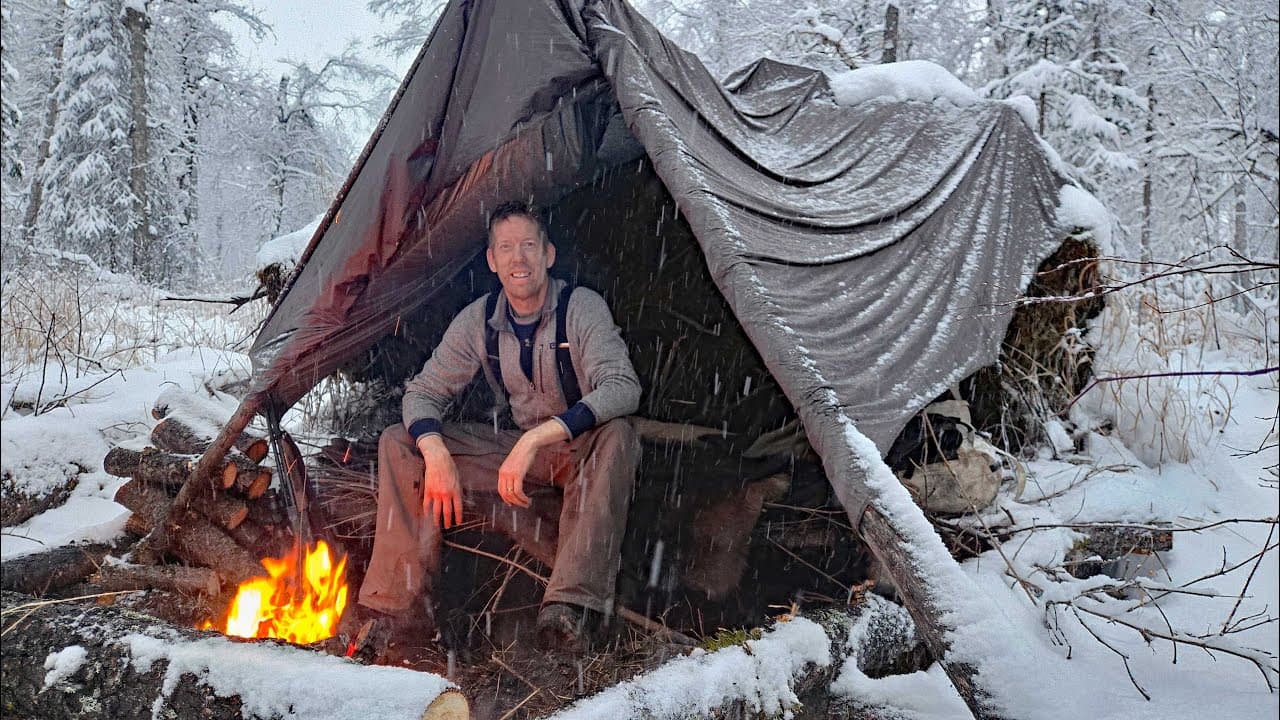
He builds a heat retentive shelter around a root ball, uses the ground to store warmth, and plans a 17 hour cold night with a fire powered by gathered wood. The video also includes gear notes and a moose dinner to show practical winter camping strategies under pressure.
Transcript
Hello, my name is Luke Nichols and this is the My Life Outdoors YouTube channel. And no, you're not imagining things. This is not my YouTube channel. Some of you guys may have heard that Steven's wife was recently diagnosed with cancer. So, right now, Steven's got a lot on his plate taking care of his wife and his four kids. So, I thought I might s... Read More
Key Insights
- The shelter is built around a root ball that provides a natural wall and heat storage, reducing the need for a traditional structure.
- The ground under the shelter is used as a heat reservoir, so sitting or sleeping on warm ground can greatly improve comfort and reduce the need for heavy insulation.
- Birch and spruce firewood are chosen for different roles: birch for long lasting heat and spruce for structural trauma resilience, showing how species influence fire strategy.
- A reflective wall helps direct heat back toward the occupant and blocks wind, increasing overall warmth without extra fuel.
- Drying equipment and careful placement prevent losing essential tools in snow, highlighting the importance of organization in harsh conditions.
- The video demonstrates adaptive gear use, including a durable Hyperlite bag and a lightweight tarp to manage moisture and wind.
- A cooking plan uses moose meat with preserved fats to create a warming, high energy meal, illustrating nutrition and fat based cooking in extreme cold.
- The narrator uses a safety routine around tools and keeps a headlamp accessible, underlining the need for visibility and item tracking in darkness.
Install to Summarize YouTube Videos and Get Transcripts
Explore YouTube Video Summarizer or Get YouTube Transcript Extractor
Questions & Answers
Q: How to build a snowstorm shelter without tents or sleeping bags in Alaska, what is the first step?
The first step is to identify a shelter location like a root ball that already forms a protective wall and provides bare ground underneath. This setup serves two purposes: it reduces the amount of digging or building required and it uses stored heat from the ground to help keep the sleeping area warmer. After locating this spot, you proceed by gathering dead wood nearby and arranging it in a pile so you can start a fire quickly if daylight fades. This approach minimizes exposure to the elements and establishes a practical, efficient base for survival planning in a snowstorm.
Q: What role does the root ball play in warmth and shelter, and why is it important?
The root ball acts as a natural shelter component that deflects wind and stores heat from the nearby fire. It uses the mass of dirt and rock to absorb and slowly release heat, creating a warmer bed area than bare snow. This is crucial because it reduces the amount of fuel needed to maintain warmth through the night and provides a stable, insulated surface for sleeping, which is particularly valuable when a sleeping bag is absent.
Q: How does the video suggest managing firewood and heat during a long cold night?
The strategy is to gather a substantial amount of wood beforehand and place it near the shelter so you can feed the fire without wandering in the dark. You want to control burn time to keep a steady heat output through the night, ensuring that you do not run out of fuel before daylight. This approach minimizes energy expenditure and helps maintain a consistent comfortable temperature while you sleep.
Q: What cooking approach is used to stay nourished in the snowstorm, and what foods are prepared?
A moose steak is cooked over the fire along with potatoes and smoked salmon. A batch of bread dough is prepared from bread flour and yeast so that fresh bread can be ready by morning. A preserved fat ball flavored with herbs is used for cooking and as a fat source to maximize energy. This plan provides high protein and fats necessary for cold weather, sustaining energy levels through a long night in freezing conditions.
Q: Why is drying gear and tools emphasized, and how is this achieved?
Dry gear is essential to reduce heat loss and prevent frostbite when moisture freezes. The narrator mentions drying a jacket and keeping tools dry, for example when moving equipment to dry spots next to the fire. This reduces chill and keeps equipment functional, which is critical when visibility is low and mishaps can be dangerous in a snowstorm scenario.
Q: How is gear redundancy and safety addressed in the video, particularly for visibility and navigation?
A headlamp is kept handy and a backup is sought if it is knocked loose, as shown when a branch knocked the headlamp away. The video emphasizes staying oriented in low light by using a headlamp and keeping essential tools within reach to avoid disorientation and accidental loss in deep snow. This safety discipline helps maintain situational awareness and reduces risk during night operations.
Q: What is explained about warmth sources and ground contact compared to sleeping with gear, and what is the conclusion?
The video explains that sleeping on warm ground with a heat stored in the root ball can be warmer than sleeping on cold ground with or without a sleeping bag. The demonstration shows how using the ground’s thermal mass and a well built shelter can effectively substitute for physical insulation in extreme cold. The conclusion is that smart placement and ground heat can significantly improve comfort in a snowstorm.
Q: What gear review is featured and how does it influence the experience of winter camping?
A particular shelter oriented gear review is included, notably a sturdy saw described as a reliable option for cutting firewood, along with a Hyperlite bag described as durable and comfortable. The commentary suggests these tools improve efficiency, reduce fatigue, and increase warmth by enabling rapid shelter construction and better sleep, thereby making winter camping more achievable and safer in challenging conditions.
Summary & Key Takeaways
-
A shelter is constructed using a root ball and surrounding dirt to store heat and shield from wind, creating a warm sleeping area even without a tent or sleeping bag. The shelter layout leverages ground heat as a key warmth source, emphasizing the physics of heat retention. This approach reduces reliance on external insulation.
-
The narrator emphasizes careful material collection, fire management, and timing to maximize warmth before darkness, turning daylight into preparation time and using the root ball to reflect and store heat. Gear reviews and practical tips are interwoven with survival steps.
-
A multi hour plan combines wood gathering, fire building, and a prepared dinner of moose and bread dough to demonstrate sustainable, hands on winter camping under a snowstorm, focusing on safety, warmth, and resource management.
Read in Other Languages (beta)
Share This Summary 📚
Summarize YouTube Videos and Get Video Transcripts with 1-Click
Try YouTube Summary with ChatGPT & Claude or YouTube Transcript Generator
Explore More Summaries from MyLifeOutdoors 📚
Summarize YouTube Videos and Get Video Transcripts with 1-Click
Try YouTube Summary with ChatGPT & Claude or YouTube Transcript Generator