LTPO OLED vs Standard OLED: Which Is Better for You?
TL;DR
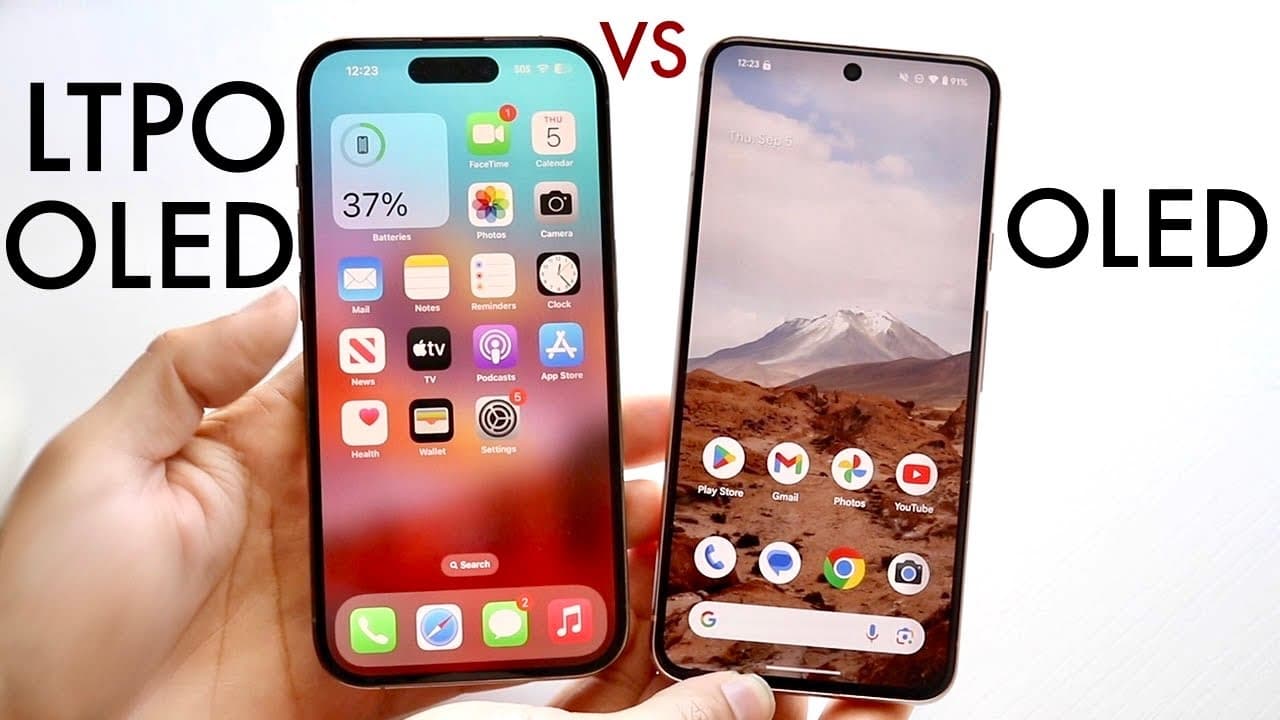
LTPO OLED displays are superior due to their variable refresh rates, allowing them to adjust from 1Hz to 120Hz, leading to better power efficiency and smoother performance. While standard OLED panels are cheaper and suitable for budget devices, LTPO OLEDs offer enhanced visuals and battery management, making them ideal for high-demand tasks like gaming and streaming.
Transcript
so in this day and age we have a lot of different displays that we can basically choose from and a lot of different phones we can choose from as well some of the top ones are ltpo OLED displays like we have on some of the pro model iPhones and some really expensive Androids and then we have you know standard OLED displays that we have on some of th... Read More
Key Insights
- 🔋 LTPO OLED displays provide superior power efficiency, crucial for extending battery life in high-demand usage scenarios.
- ☠️ The ability to adjust refresh rates dynamically allows LTPO OLED displays to enhance overall performance and visual fluidity.
- 💄 Standard OLED displays are widely used in less expensive smartphones, making them a popular choice for budget-conscious consumers.
- 🕳️ Consumers may not notice significant differences in everyday usage between LTPO and standard OLED unless they engage in graphically intensive tasks.
- 📣 The cost difference between the two display types often reflects in the pricing strategies of phone manufacturers.
- 🕳️ Users who frequently engage in gaming or streaming may find LTPO OLED displays particularly beneficial for their experience.
- 🧡 As technology progresses, LTPO OLED may become more prevalent in mid-range devices due to increasing consumer demand for efficiency.
Install to Summarize YouTube Videos and Get Transcripts
Explore YouTube Video Summarizer or Get YouTube Transcript Extractor
Questions & Answers
Q: What distinguishes LTPO OLED displays from standard OLED displays?
The key distinction lies in their refresh rate capabilities. LTPO OLED displays can dynamically adjust between 1Hz and 120Hz, optimizing power consumption based on content requirements. This variable refresh rate technology enhances user experience and efficiency, allowing smooth transitions and improved battery life during low-demand activities compared to standard OLED displays, which are typically fixed at 60Hz, 90Hz, or 120Hz.
Q: Why would someone choose a phone with an LTPO OLED display?
Choosing a phone equipped with an LTPO OLED display can offer significant benefits in terms of performance and battery life. The variable refresh rate feature means that the display can reduce power consumption during less intensive tasks, which is ideal for users who rely heavily on their devices throughout the day. Additionally, the smoother performance during activities like scrolling or gaming enhances the overall usability of the device, justifying the higher price tag for many users.
Q: Are there noticeable differences in user experience between LTPO OLED and standard OLED?
Yes, there are several noticeable differences. Users of LTPO OLED displays often experience smoother transitions and less screen flickering due to the adaptive refresh rates. This leads to improved usability, particularly when navigating through applications or playing games. On the other hand, users of standard OLED displays might notice occasional stutters or a less fluid appearance during similar activities, primarily due to their fixed refresh rates.
Q: How does the cost of production affect smartphone pricing between the two display types?
The cost of producing LTPO OLED displays is higher due to the advanced technology involved, including the variable refresh rate feature and overall enhanced performance capabilities. Consequently, smartphones featuring this type of display tend to be priced higher. In contrast, standard OLED displays are cheaper to manufacture, resulting in more affordable smartphone options for consumers who may not prioritize the latest technology.
Summary & Key Takeaways
-
LTPO OLED displays feature variable refresh rates, allowing them to adjust from as low as 1Hz to 120Hz, enhancing power efficiency and performance.
-
Standard OLED displays are typically fixed at 60Hz or 120Hz, making them less efficient in terms of battery usage, especially during low-demand tasks.
-
While LTPO OLED panels are more costly to produce, they provide smoother visuals and better battery management, leading to a better user experience.
Read in Other Languages (beta)
Share This Summary 📚
Summarize YouTube Videos and Get Video Transcripts with 1-Click
Try YouTube Summary with ChatGPT & Claude or YouTube Transcript Generator
Explore More Summaries from Simple Alpaca 📚

Summarize YouTube Videos and Get Video Transcripts with 1-Click
Try YouTube Summary with ChatGPT & Claude or YouTube Transcript Generator