Which Supplements Help Joint Pain and Arthritis?
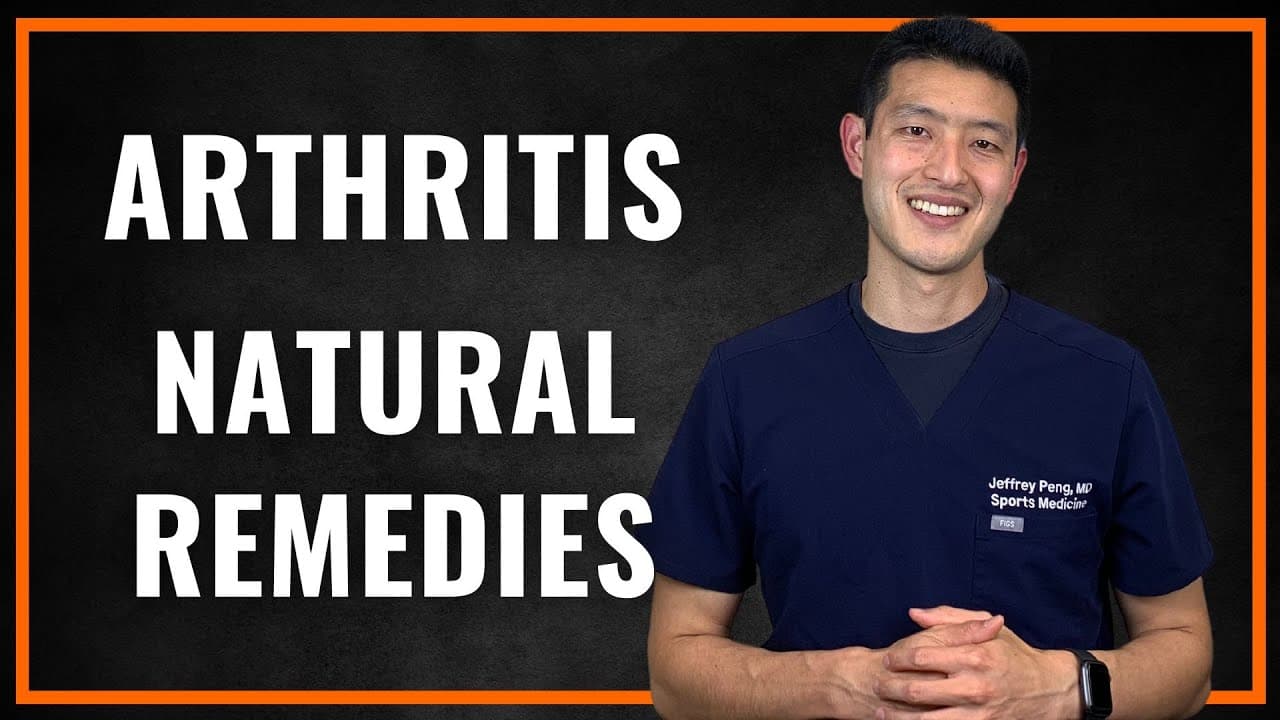
TL;DR
Collagen and glucosamine with chondroitin have clinically meaningful evidence for improving osteoarthritis pain and function, while turmeric or curcumin also has strong scientific backing. Vitamin D and omega-3s may offer modest benefits, whereas ginger lacks convincing clinical evidence for meaningful joint relief. Read on to compare how these supplements work, where the evidence is strongest, and what uncertainties remain.
Transcript
If you're dealing with joint pain or arthritis, you've probably tried supplements that promise relief. But what if I told you most of the popular ones that you're taking don't actually work and could even be wasting your money? In this video, I'm going to break down the top joint health supplements for 2025, separating fact from fiction and showing... Read More
Key Insights
- Ginger is biologically anti-inflammatory in laboratory research, but clinical evidence does not consistently show meaningful pain relief or functional improvement for knee osteoarthritis. Smaller positive studies have been limited by sample size, inadequate blinding, and short follow-up periods.
- Ginger supplements have limited oral bioavailability, so higher doses may be necessary to produce an effect. Those doses can cause heartburn, nausea, and bloating, potentially outweighing minor benefits, although ginger used as food may still provide antioxidant and digestive benefits.
- Vitamin D is important for calcium absorption, bone metabolism, bone mineral density, and fracture-risk reduction. Supplementation produced statistically significant but modest improvements in osteoarthritis pain, function, and stiffness, with benefits potentially being greater among people who begin with a deficiency.
- Collagen is a structural protein found in cartilage, tendons, ligaments, and connective tissues. A 2024 systematic review and meta-analysis reported clinically meaningful improvements in knee osteoarthritis pain and function, although the optimal dose and most effective collagen form remain uncertain.
- Hydrolyzed collagen is the most widely studied collagen form and is described as having high bioavailability and efficient absorption. Undenatured type 2 collagen may work through immune modulation, while marine collagen has received less investigation and remains difficult to compare with other forms.
- Omega-3 fatty acids are anti-inflammatory compounds found in fish oil that may modestly reduce osteoarthritis pain and improve mobility. Their proposed effects include reducing inflammatory mediators, but the reported benefit is smaller than collagen and varies considerably among individuals.
- Glucosamine and chondroitin are cartilage-related compounds that produced moderate improvements in osteoarthritis pain and function compared with placebo. They may support proteoglycan and hyaluronic acid production, limit cartilage-degrading enzymes, retain water, improve lubrication, and enhance shock absorption.
- Curcumin is the active compound in turmeric and inhibits inflammatory pathways associated with osteoarthritis and joint pain, including NF-kappa B, COX-2, and TNF-alpha. The transcript identifies turmeric and curcumin among the joint supplements with the strongest scientific backing and reports repeated human-study benefits.
Install to Summarize YouTube Videos and Get Transcripts
Explore YouTube Video Summarizer or Get YouTube Transcript Extractor
Questions & Answers
Q: Which supplements have the strongest evidence for osteoarthritis?
Collagen and glucosamine combined with chondroitin have evidence of clinically meaningful improvements in osteoarthritis pain and function. Turmeric or curcumin also has strong scientific backing, with repeated human-study benefits for pain relief and function. These supplements are not described as curing arthritis or reversing established cartilage loss.
Q: Does ginger help joint pain and arthritis?
Laboratory studies show that gingerol can inhibit inflammatory cytokines, but clinical evidence does not establish meaningful relief for knee osteoarthritis. A 2020 systematic review and meta-analysis found insufficient evidence of meaningful improvements in pain or function. Higher doses may also cause heartburn, nausea, and bloating.
Q: When should vitamin D be considered for joint health?
Vitamin D may be worth considering when someone is deficient, particularly an older adult or a person with limited sun exposure. A 2021 meta-analysis found improvements in osteoarthritis pain, function, and stiffness, but the effects were modest. Its clearer roles include supporting calcium absorption, bone metabolism, bone mineral density, and fracture-risk reduction.
Q: How does collagen supplementation affect knee osteoarthritis?
A 2024 systematic review and meta-analysis found that oral collagen produced clinically meaningful improvements in knee osteoarthritis pain and function. It may enhance cartilage synthesis, reduce inflammatory markers, and support extracellular matrix stability. The optimal dosage and most effective collagen form remain uncertain.
Q: Which type of collagen is best studied for joint health?
Hydrolyzed collagen is the most widely studied form and is described as having high bioavailability and efficient absorption. Undenatured type 2 collagen may act through immune modulation rather than directly rebuilding cartilage. Marine collagen has received less investigation, so its effectiveness relative to other forms remains unclear.
Q: Does fish oil reduce osteoarthritis pain?
Fish oil and its omega-3 fatty acids may modestly reduce osteoarthritis pain and improve mobility. Their proposed action involves reducing inflammatory mediators associated with pain signaling and cartilage degradation. The reported benefit is smaller than collagen and varies considerably among individuals.
Q: How do glucosamine and chondroitin support joints?
Glucosamine and chondroitin produced moderate improvements in osteoarthritis pain and function compared with placebo. Glucosamine may support proteoglycan and hyaluronic acid production, while chondroitin may limit cartilage-degrading enzymes and help retain water. These actions may improve joint lubrication and shock absorption, but they cannot reverse cartilage loss.
Q: How may turmeric or curcumin help arthritis symptoms?
Curcumin, the active compound in turmeric, has anti-inflammatory and antioxidant properties. It inhibits inflammatory pathways associated with osteoarthritis and joint pain, including NF-kappa B, COX-2, and TNF-alpha. The available fields identify turmeric or curcumin among the supplements with the strongest scientific backing and report repeated benefits in human studies.
Summary & Key Takeaways
-
Ginger has anti-inflammatory activity in laboratory studies, but clinical research has not established meaningful improvements in osteoarthritis pain or function. Small studies have methodological limitations, and poor oral bioavailability may require doses that cause heartburn, nausea, or bloating. Dietary ginger may still offer general antioxidant and digestive benefits.
-
Vitamin D and omega-3 supplements may produce small improvements in osteoarthritis symptoms. Vitamin D appears particularly relevant for deficient people because it supports calcium absorption, bone metabolism, and bone mineral density. Omega-3 fatty acids may reduce inflammatory mediators, but their reported effects on pain and mobility are weaker than collagen.
-
Collagen and combined glucosamine with chondroitin have evidence for clinically meaningful improvements in osteoarthritis pain and function. Collagen may support cartilage synthesis and extracellular matrix stability. Glucosamine and chondroitin may maintain cartilage structure, lubrication, water retention, and shock absorption. Turmeric or curcumin also has strong anti-inflammatory research support.
Read in Other Languages (beta)
Share This Summary 📚
Summarize YouTube Videos and Get Video Transcripts with 1-Click
Try YouTube Summary with ChatGPT & Claude or YouTube Transcript Generator
Explore More Summaries from Jeffrey Peng MD 📚



Summarize YouTube Videos and Get Video Transcripts with 1-Click
Try YouTube Summary with ChatGPT & Claude or YouTube Transcript Generator