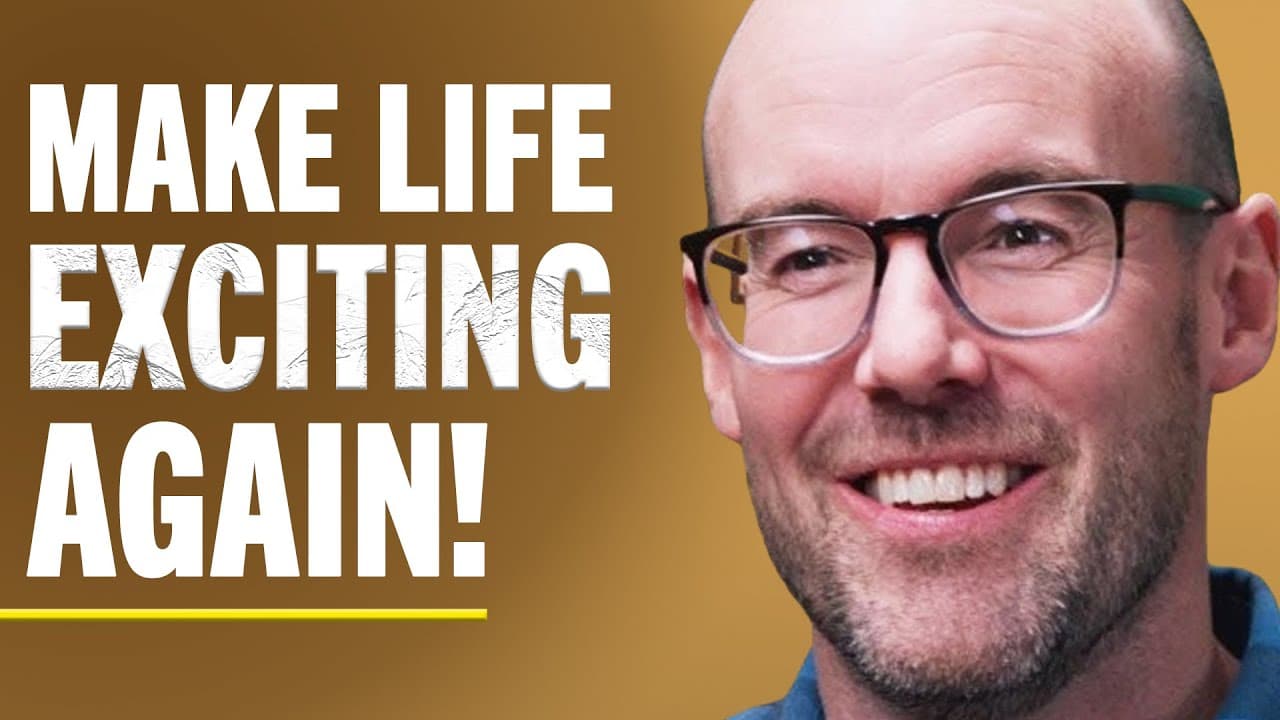
How Do Rituals Improve Health and Well-Being? Harvard Professor Michael Norton Explains The Ritual Effect
TL;DR
Rituals can improve well-being by unlocking diverse emotions, creating a sense of control, preparing people for demanding activities, and strengthening social connection. Michael Norton explains how elite runners use precise shoe-tying sequences, why rituals become more elaborate as stress rises, and how the first 5, 10, 15, or 20 minutes of a morning can provide grounding. Read on to distinguish meaningful rituals from ordinary routines.
Transcript
a lot of people listen to this show because they want to improve their health you've written this fantastic new book the ritual effect in your opinion how do rituals help us improve our health I think one of the key things with rituals is that they provoke a huge range of emotions so we did this research a few years ago we ended up calling it emo d... Read More
Key Insights
- Rituals can produce emotional diversity by unlocking happiness, sadness, fear, awe, and other feelings. This mixture may benefit well-being because people can grow through sadness, learn through fear, and experience a richer emotional life than constant happiness alone would provide.
- The key distinction between a routine and a ritual is whether the exact performance matters. Brushing, showering, or exercising remains routine when only completion matters, but it becomes more ritualistic when the order and manner of each action feel personally important.
- Elite performers use rituals to enter a state of readiness before demanding activities. Runners may follow precise sequences for socks, shoes, and laces, transforming an ordinary preparation into a meaningful signal that they are mentally prepared to train or compete.
- Ritual intensity can increase with stress. Elite runners may use relatively small rituals during practice and more elaborate versions before important races, suggesting that people add structure and precision when the pressure surrounding an event becomes greater.
- Morning rituals can create a sense of control amid chaos. A consistent sequence during the first part of the day gives people something manageable to direct, helping them feel grounded and prepared before facing external events they cannot control.
- Bedtime rituals can support the transition from daily stress toward sleep. Their purpose differs from energizing morning or performance rituals because they help people wind down, but both types use an ordered sequence to guide the person toward a desired state.
- Communal rituals can strengthen belonging and emotional support. Religious services, concerts, cultural celebrations, and secular gatherings bring people out of isolation, connect them with others who share values, and create opportunities to discuss how they are doing.
- Secular communities can preserve many social functions associated with religious gatherings without requiring belief in a higher power. The Seattle atheist church example provides regular gathering, shared values, personal check-ins, social bonding, and support for people who may struggle to leave home.
Install to Summarize YouTube Videos and Get Transcripts
Explore YouTube Video Summarizer or Get YouTube Transcript Extractor
Questions & Answers
Q: How do rituals improve health and well-being?
Rituals can unlock a broad mix of emotions, including happiness, sadness, fear, and awe. They can also create structure, increase a sense of control, prepare people for demanding activities, and connect them with a community.
Q: What is the difference between a ritual and a routine?
A routine focuses mainly on completing a task, while a ritual makes the exact order and manner of performing it feel important. Brushing, showering, or exercising becomes more ritualistic when changing the sequence feels uncomfortable or leaves someone feeling unprepared.
Q: Can rituals help people begin healthy habits such as exercise or meditation?
A ritual can create a clear transition into exercise, meditation, journaling, or another activity and help someone feel ready to start. Elite runners illustrate this by using precise preparation sequences before running, although the transcript does not establish that rituals alone make habits last longer.
Q: Why do elite athletes use pre-performance rituals?
Elite performers use detailed rituals to reach a state of readiness before performing. Runners may choose particular socks, start with a specific foot, or tie their laces in an exact sequence, turning ordinary preparation into a signal that they are ready to run.
Q: Why do rituals become more elaborate when stress increases?
Elite runners may use smaller rituals for practice and more elaborate versions before races. This pattern shows that people can increase the level of ritual as pressure rises, using added structure to feel prepared for the event.
Q: How can morning and bedtime rituals help with stress?
A morning ritual provides something controllable when family life or the wider world feels chaotic. Spending the first 5, 10, 15, or 20 minutes in a consistent sequence can help someone feel grounded, while a bedtime ritual supports the opposite transition by helping them wind down from the day's stress and move toward sleep.
Q: How do communal rituals create social connection?
Communal rituals bring people together through shared actions, values, and emotions. Religious services, concerts, cultural celebrations, and secular gatherings can reduce isolation by giving participants repeated opportunities to meet people who care about them or share their interests.
Q: Can secular communities provide some benefits associated with religious rituals?
Secular communities can preserve social functions found in religious gatherings without requiring belief in a higher power. The Seattle atheist church example offers regular gatherings, shared values, personal check-ins, social bonding, and support for people who may struggle to leave home.
Summary & Key Takeaways
-
Rituals can evoke happiness, sadness, fear, awe, and other emotions, creating what the research calls emotional diversity. A rich emotional life may support well-being because difficult emotions can also promote growth and learning. Ceremonies such as marriages and funerals provide clear examples of rituals unlocking very different emotional experiences.
-
Personal rituals help people move toward a desired mental or emotional state. Elite runners use carefully ordered preparations, including specific ways of putting on socks, shoes, and laces, to feel ready. Their rituals often become more elaborate for important races, showing how ritual intensity can increase alongside pressure and stress.
-
Rituals also provide structure and social connection. Morning and bedtime practices can create control during chaotic periods, while communal gatherings can foster belonging and emotional support. As inherited religious or cultural rituals decline for some people, individuals and groups may create secular alternatives that preserve structure, shared values, and community.
Read in Other Languages (beta)
Share This Summary 📚
Summarize YouTube Videos and Get Video Transcripts with 1-Click
Try YouTube Summary with ChatGPT & Claude or YouTube Transcript Generator
Explore More Summaries from Dr Rangan Chatterjee 📚





Summarize YouTube Videos and Get Video Transcripts with 1-Click
Try YouTube Summary with ChatGPT & Claude or YouTube Transcript Generator