How Is Josh Knowles Using Big Data to Find Familial Hypercholesterolemia?
TL;DR
Josh Knowles explains that big data can flag people who may have familial hypercholesterolemia (FH), allowing patients and healthcare providers to investigate further. Researchers use a national patient registry and train machine-learning systems with confirmed FH cases from medical records, labs, and claims databases. With less than 1% of an estimated one million affected people in the country diagnosed, read on to understand how this patient-led work could improve detection.
Transcript
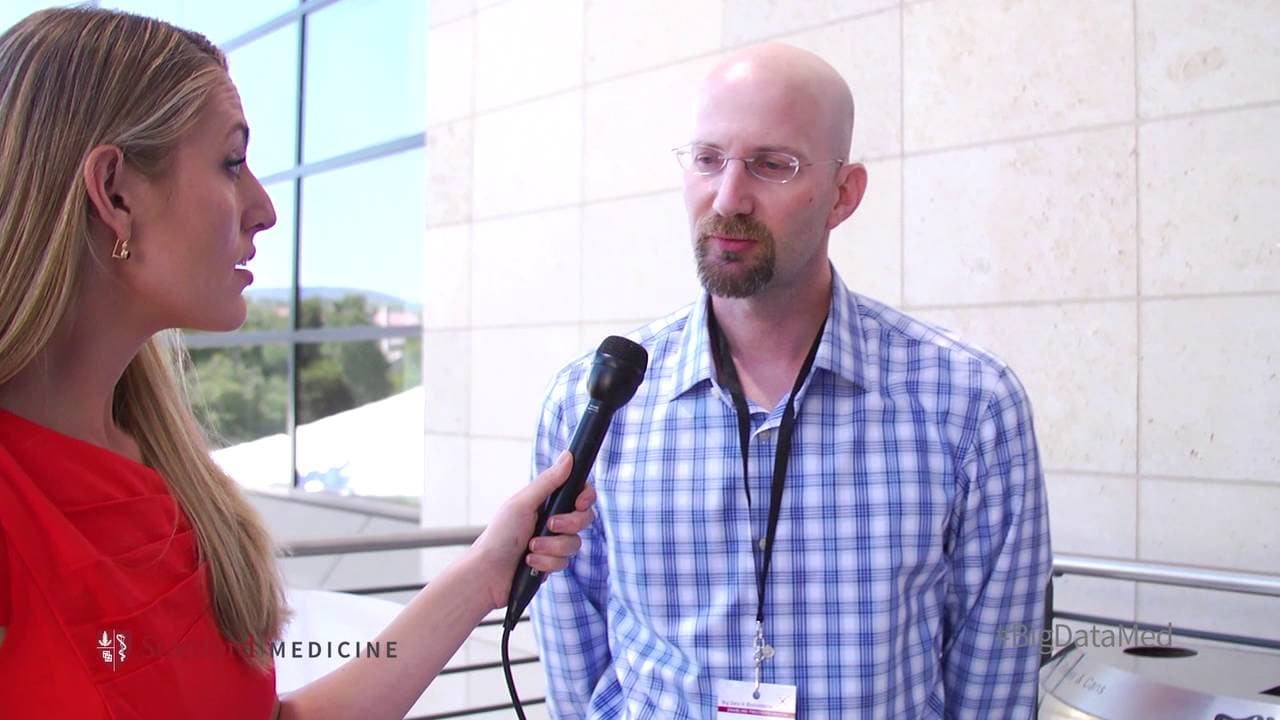
I'm here with Josh Knowles who is an assistant professor in the cardiology department and he does some really interesting research on familial hypercholesterolemia which sounds like a mouthful but actually is really applicable so tell us a little bit about your research yes so I'm really interested in familial hypercholesterolemia but we just call ... Read More
Key Insights
- 🥰 Familial hypercholesterolemia (FH) is a condition that puts individuals at high risk of early onset heart disease due to the body's inability to recycle bad cholesterol.
- 🛟 Early diagnosis and treatment of FH can significantly improve the lifespan and quality of life for patients.
- 😃 Big data, through a national patient registry and machine learning, is being used to gather insights and identify undiagnosed FH patients.
- 🥺 Patient-led charitable organizations play a crucial role in driving research and empowering individuals to advocate for their own healthcare.
- 😃 The use of big data in FH research has the potential to save thousands of lives by identifying at-risk patients and enabling timely interventions.
- 🥰 FH is often undiagnosed until individuals experience a heart attack or sudden death.
- 😃 The implementation of big data techniques, similar to spam filters, aids in identifying previously undiagnosed FH patients.
Install to Summarize YouTube Videos and Get Transcripts
Explore YouTube Video Summarizer or Get YouTube Transcript Extractor
Questions & Answers
Q: How is Josh Knowles using big data to identify familial hypercholesterolemia?
Josh Knowles describes two approaches: a national patient registry and machine learning. The registry follows diagnosed patients, while the machine-learning project uses data from confirmed FH cases to flag other patients with similar profiles.
Q: What is familial hypercholesterolemia (FH)?
FH, described as “family high cholesterol,” is a condition in which the body cannot properly recycle LDL, or bad cholesterol. This keeps LDL levels very high in the blood and creates an extremely high risk of early-onset heart disease.
Q: Why is early detection and treatment of FH important?
People with FH may not know they have it until they experience a heart attack or sudden death. Knowles says that when FH is found, diagnosed, and treated quickly enough, affected people can live just as long as everybody else.
Q: How many people with FH have been diagnosed?
Knowles says researchers estimate that one million people in the country have FH. According to him, less than 1% have been diagnosed, so the team is trying to find people among the remaining 99%.
Q: What information does the national FH patient registry collect?
The registry gathers information about how patients are doing, how long diagnosis took, what medicines they use, and what challenges they face. Patients around the country can register their own data online, receive information back, and continue to be followed.
Q: How does machine learning flag previously undiagnosed FH patients?
Researchers provide a computer with data from confirmed FH patients, including information from medical records, labs, and claims databases. The computer learns the profile of an FH patient and identifies other patients whose data fit that profile, much like a spam filter learns to recognize unwanted email.
Q: Does the machine-learning system diagnose FH?
No. Knowles emphasizes that the system is intended to flag patients who might have FH, not diagnose them. A medical expert must examine those patients more closely before determining whether they have the condition.
Q: What role does the FH Foundation play in the research?
The machine-learning project is led by the FH Foundation, a charitable organization founded and led by patients. Knowles describes the collaboration as part of a shift toward empowering patients to become their own best healthcare advocates.
Summary & Key Takeaways
-
Familial hypercholesterolemia (FH) is a condition where the body is unable to recycle bad cholesterol, leading to high levels in the blood and increased risk of heart disease.
-
Most people with FH are unaware of their condition until they experience a heart attack or sudden death.
-
Big data is being utilized through a national patient registry and machine learning techniques to identify undiagnosed FH patients and empower patients to advocate for their own healthcare.
Read in Other Languages (beta)
Share This Summary 📚
Summarize YouTube Videos and Get Video Transcripts with 1-Click
Try YouTube Summary with ChatGPT & Claude or YouTube Transcript Generator
Explore More Summaries from Stanford 📚




Summarize YouTube Videos and Get Video Transcripts with 1-Click
Try YouTube Summary with ChatGPT & Claude or YouTube Transcript Generator