How to Stand Out and Build Creative Stamina
TL;DR
Define in one or two sentences why clients should hire you, then build enough skill and confidence to communicate that difference clearly without sounding pushy. Reaching the next level requires sustained effort, repeated experimentation around your core work, and the stamina to keep applying pressure through slow growth and gaps between successes.
Transcript
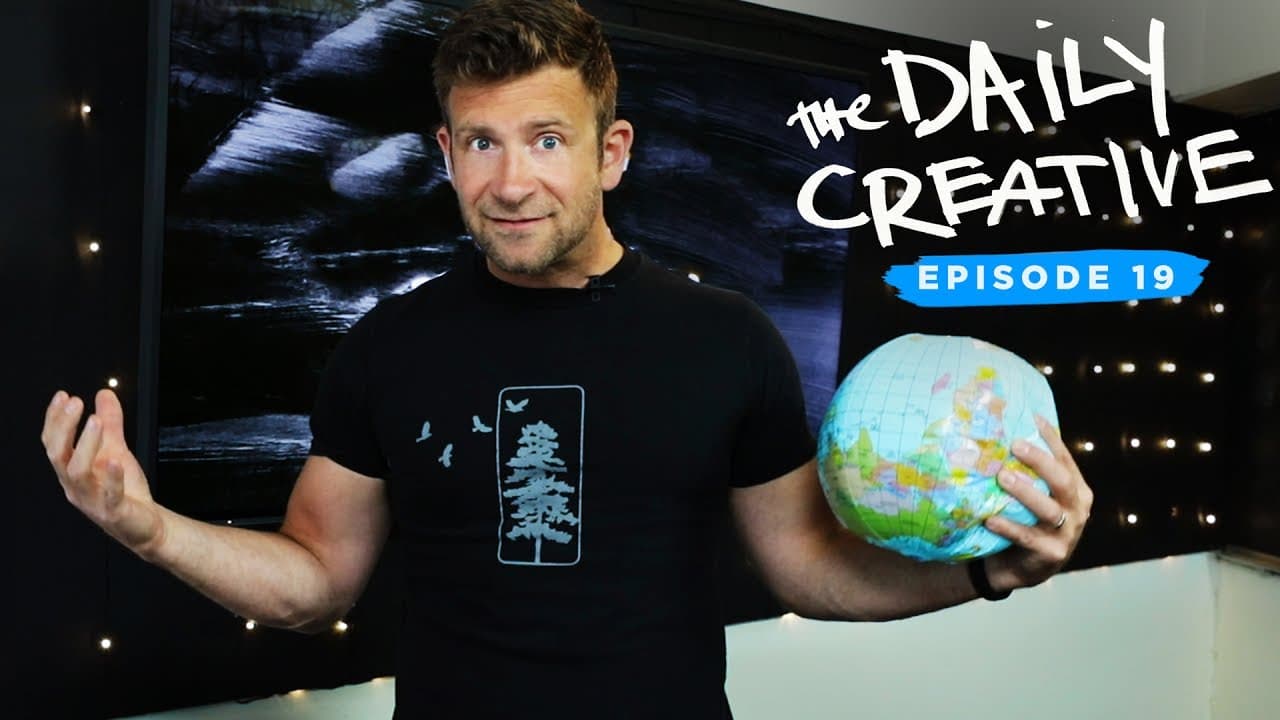
hello Internet I'm Chase Jaris welcome another episode of The Daily creative this is a show that you know where I answer your questions about your path to become an aspiring maybe even a professional Creator Finn we got a couple questions queued up don't we not we do we do all right bring on hi my name is Maggie and Maggie I'm a newborn and family ... Read More
Key Insights
- A clear value proposition is the foundation of effective creative marketing. If a creator cannot explain why someone should hire them instead of a competitor, prospective clients are unlikely to identify or trust that distinction on their own.
- A useful differentiator can be expressed in one or two sentences. Finding it requires deliberate reflection on what the creator does well, how that work differs from peers, and why those differences matter to the people who might buy it.
- Confidence is built through courage and repetition. Starting before complete confidence exists creates opportunities to practice, while sustained practice develops the competence needed to believe deeply in the value being offered.
- Technical mastery is the entry requirement for professional creative work. Camera settings, design tools, business fundamentals, or comparable craft skills should become automatic enough that they no longer consume attention during important creative decisions.
- Professional marketing combines genuine skill with confident communication. A creator must both deliver the promised value and explain it persuasively, while avoiding an aggressive sales style that makes the message feel insincere or manipulative.
- Early traction does not guarantee uninterrupted growth. A successful campaign, popular song, or growing podcast can be followed by a difficult period in which progress feels slow and the next breakthrough does not arrive immediately.
- Stamina is an underappreciated quality in a sustainable creative career. Creators improve their odds by continuing to work, remaining patient, and outlasting others who stop applying effort when advancement becomes difficult.
- Productive experimentation should happen around a stable core message. Creators can test syndication, paid promotion, exposure opportunities, and other trajectories without abandoning the central work or identity that originally gave the project meaning.
Install to Summarize YouTube Videos and Get Transcripts
Explore YouTube Video Summarizer or Get YouTube Transcript Extractor
Questions & Answers
Q: How can a creative professional stand out from competitors?
A creative professional can stand out by identifying what they do differently or better than their peers and explaining why that difference matters to clients. The result should be a clear value proposition that fits into one or two sentences. That message must be supported by excellent craft and communicated consistently, confidently, and without using an overly aggressive sales approach.
Q: How do you create a clear value proposition for creative work?
Create a value proposition by sitting down and listing what you do well, where your approach differs from competing professionals, and why a customer should care about those qualities. Refine the result until it can be expressed in one or two sentences. The statement should connect a genuine strength or distinctive position with a benefit that clients can readily understand.
Q: Why must creators understand why clients should hire them?
Creators must understand their own differentiator because clients cannot be expected to discover a reason that the creator cannot clearly express. An uncertain message produces uncertain marketing. When creators know what makes their work different, better, or uniquely positioned, they can communicate that value consistently and give prospective customers a concrete reason to choose them over available alternatives.
Q: How can creators build confidence in marketing themselves?
Creators build confidence by finding the courage to begin and then repeating the work until their ability becomes dependable. Confidence does not need to exist fully at the start. It grows as technical skills become automatic and experience confirms the creator's strengths. That earned belief makes it easier to communicate a value proposition persuasively without forcing the message on potential clients.
Q: What level of craft is needed for a professional creative career?
Professional creative work requires a strong command of the underlying craft as a basic entry requirement. For a photographer, settings and camera operation should recede into the background rather than interrupt the work. The same principle applies to business, design, music, and other fields. Repetition makes the fundamentals automatic and creates a dependable base for confidence and professional performance.
Q: How does an experienced creator reach the next level?
An experienced creator reaches the next level by continuing the central work while experimenting with ways to increase its reach and effectiveness. Possible tests mentioned include syndicating a show elsewhere, using paid promotion, and finding exposure opportunities. The creator should apply pressure consistently, observe what gains traction, and remain patient instead of expecting every early success to produce an immediate follow-up.
Q: Why does progress feel slower after initial creative success?
Initial progress can happen quickly because moving from hesitation to action creates an immediate and visible change. Later advancement occurs among other capable people who also want professional success, so the climb becomes more demanding. A popular release, major campaign, or growing audience may also be followed by a quiet period, making continued progress feel slower than the first breakthrough.
Q: When should a creator change direction or keep going?
A creator should keep the central message when it genuinely reflects who they are, but continually experiment around it. Distribution, promotion, and exposure methods can change without replacing the project's core identity. If the central message is not authentic, the creator may need to step back and reconsider it. Otherwise, patience, stamina, and persistent testing are preferable to quitting during slow growth.
Summary & Key Takeaways
-
Creators must clearly identify why clients should choose them over their peers. That requires deliberate reflection on their strengths, distinctive qualities, and value to customers. Once the value proposition can be stated simply in one or two sentences, it can become a focused marketing message that potential clients can understand and remember.
-
Confidence develops through the courage to begin and the repetition required to master a craft. Technical fundamentals should become automatic enough that attention can shift toward creative and business decisions. Strong ability, belief in a clear value proposition, and a natural sales approach combine to make marketing more credible and effective.
-
Early success can make later progress feel unusually slow, especially when another opportunity does not immediately follow. Sustainable advancement requires patience, stamina, and continuous experimentation. Creators should preserve the core message that reflects who they are while testing distribution, promotion, partnerships, and other approaches around that central body of work.
Read in Other Languages (beta)
Share This Summary 📚
Summarize YouTube Videos and Get Video Transcripts with 1-Click
Try YouTube Summary with ChatGPT & Claude or YouTube Transcript Generator
Explore More Summaries from Chase Jarvis 📚
Summarize YouTube Videos and Get Video Transcripts with 1-Click
Try YouTube Summary with ChatGPT & Claude or YouTube Transcript Generator