How to Overcome Nihilism and Find Purpose
TL;DR
Nihilism can make life feel meaningless and hopeless, but understanding its psychological roots helps. Finding purpose involves changing brain activity and engaging with life. Creating and receiving meaning through actions and attitudes can lead to a fulfilling life. It's crucial to identify what makes life feel meaningless and actively work to find joy and purpose.
Transcript
Today we're going to talk about how nihilism could be a terrible form of copium. Now a lot of y'all may reject this immediately being like no like nihilism is a fully defensible philosophical position which I think is fine. Like this is not a channel about philosophy. This is a channel about human beings. And the problem is that when you take this ... Read More
Key Insights
- Nihilism is often a reaction to frustrated efforts and can lead to feelings of hopelessness.
- Purpose in life is linked to lower levels of depression and anxiety.
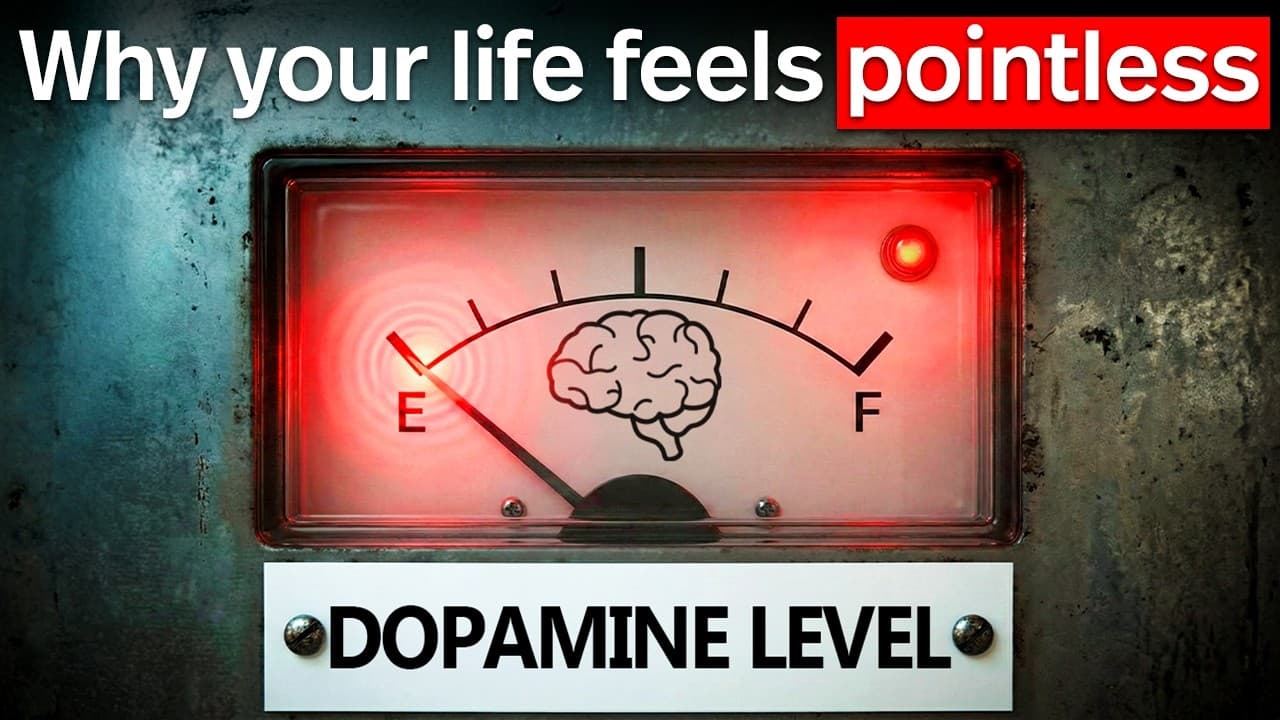
- People with nihilistic tendencies may have altered dopamine responses, affecting motivation.
- Rumination and self-centered thinking are common in nihilistic individuals.
- Engaging with life through creativity and savoring experiences can combat nihilism.
- Your attitude towards life events significantly affects how you find meaning.
- Nihilism can lead to escapism and chasing empty goals like power and pleasure.
- Understanding and altering brain activity can help in finding purpose and meaning.
Install to Summarize YouTube Videos and Get Transcripts
Explore YouTube Video Summarizer or Get YouTube Transcript Extractor
Questions & Answers
Q: How does nihilism affect mental health?
Nihilism can negatively impact mental health by increasing feelings of hopelessness and meaninglessness. It is often linked to higher levels of depression and anxiety due to a lack of purpose. The absence of meaning can lead to avoidance behaviors, escapism, and a vulnerability to stress, further exacerbating mental health issues.
Q: What are the psychological roots of nihilism?
Nihilism often stems from frustrated efforts and a lack of perceived meaning in life. It can be a natural reaction to circumstances where one's efforts do not yield results. This can lead to a survival mode mindset, where energy is conserved rather than used for building a future, resulting in a loss of hope and purpose.
Q: How can dopamine levels affect nihilism?
Altered dopamine responses can predispose individuals to nihilism by affecting motivation and the ability to experience pleasure. People with lower dopamine responses may find life less enjoyable, reducing reinforcement for positive behaviors and leading to decreased motivation and engagement with life.
Q: What role does rumination play in nihilism?
Rumination, or excessive thinking, is common in nihilistic individuals and often focuses on self-centered thoughts. This can lead to a cycle of negative thinking and inaction, where individuals become trapped in their own heads, further distancing themselves from engaging with life and finding meaning.
Q: How can one find purpose in life despite nihilism?
Finding purpose involves engaging with life through creativity and savoring experiences. By creating something and receiving what life offers, individuals can provide their brains with the building blocks needed to find meaning. Changing attitudes towards life events and focusing on positive engagement can help overcome nihilism.
Q: What is the relationship between nihilism and escapism?
Nihilism can lead to escapism as individuals seek to fill the void left by a lack of purpose with empty pursuits like power and pleasure. This can manifest as chasing material success, addiction, or other behaviors that provide temporary relief but ultimately do not fulfill the deeper need for meaning.
Q: How does attitude towards life events impact finding meaning?
An individual's attitude towards life events plays a crucial role in finding meaning. A positive attitude can help one receive life's challenges and setbacks constructively, while a negative attitude can reinforce feelings of hopelessness and meaninglessness. Altering one's perspective can aid in discovering purpose.
Q: What are actionable steps to combat nihilism?
To combat nihilism, individuals should focus on creating and receiving meaning. This involves engaging in creative endeavors, savoring life's experiences, and adjusting attitudes towards life events. By doing so, they provide their brains with the necessary building blocks to piece together meaning and purpose over time.
Summary & Key Takeaways
-
Nihilism can lead to a sense of hopelessness, but it's often a reaction to frustrated efforts. Finding purpose involves changing brain activity and engaging with life. Creating and receiving meaning through actions and attitudes can lead to fulfillment.
-
Purpose in life correlates with lower depression and anxiety. People with nihilistic tendencies may have altered dopamine responses, affecting their motivation and enjoyment of life. Engaging creatively and savoring experiences can help counteract these effects.
-
Your attitude towards life's events plays a crucial role in finding meaning. By altering brain activity and focusing on actions that create and receive meaning, individuals can overcome nihilism and find a fulfilling path forward.
Read in Other Languages (beta)
Share This Summary 📚
Summarize YouTube Videos and Get Video Transcripts with 1-Click
Try YouTube Summary with ChatGPT & Claude or YouTube Transcript Generator
Explore More Summaries from HealthyGamerGG 📚






Summarize YouTube Videos and Get Video Transcripts with 1-Click
Try YouTube Summary with ChatGPT & Claude or YouTube Transcript Generator