How to Build a Six-Figure YouTube Business
TL;DR
Build a profitable YouTube channel by targeting a specific audience problem, publishing content people actively seek, and selling an offer tied to a measurable result. Josh Mator reportedly grew from under $1,000 to $186,000 in monthly revenue while reaching only about 100,000 subscribers, and his cybersecurity authority also attracted job offers from two FAANG companies.
Transcript
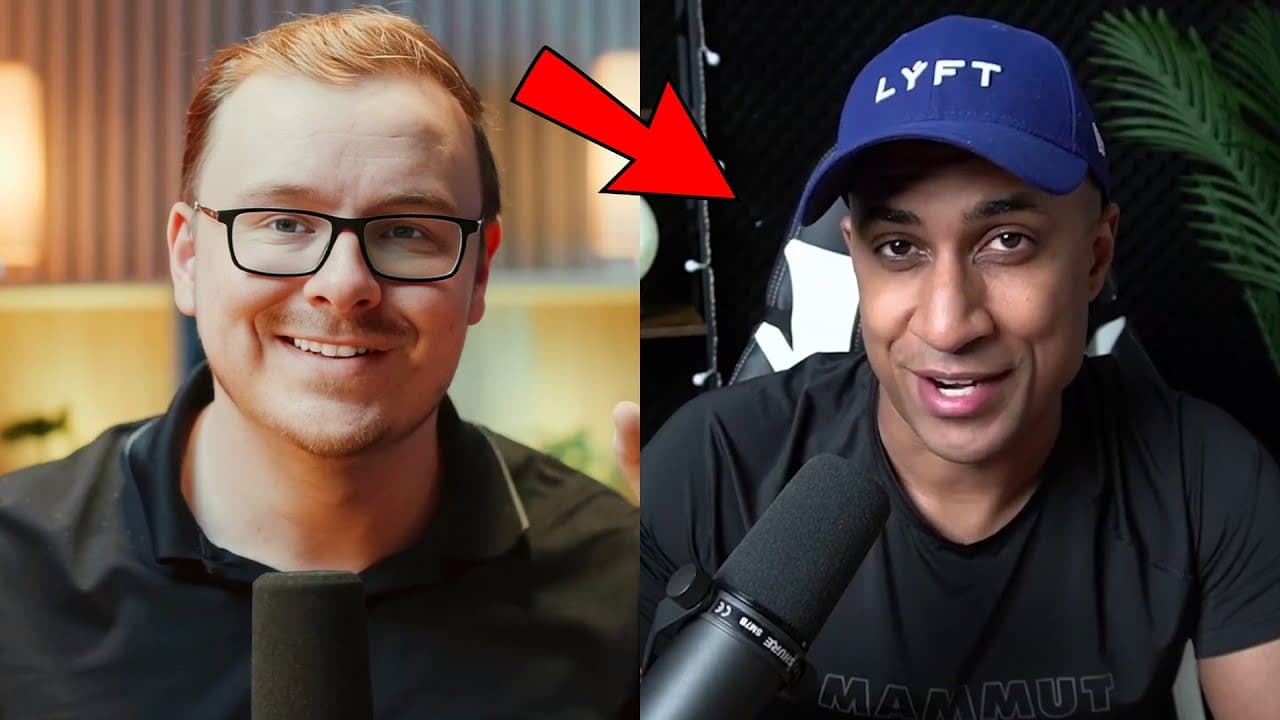
Meet Josh Mator. He went from making less than $1,000 per month to $186,000 a month. And the crazy part is he did this without a million subscribers on YouTube. And here's something crazier. Because of his YouTube channel, he got two job offers from fang companies. Now, for those who don't know what fang stands for, they're basically the most elite... Read More
Key Insights
- A profitable niche is centered on a specific result rather than general information. Josh focused on helping people enter IT and secure higher-paying cybersecurity roles, giving his channel a clearly defined audience, problem, and outcome around which content and products could be developed.
- Content-audience fit is achieved by creating videos that attract people who want the creator's offered result. Josh initially had useful expertise but little traction, so his strategy shifted toward topics people were actively searching for instead of publishing videos without evidence of audience demand.
- A relevant audience can be more valuable than a massive subscriber count. Josh reportedly reached a $186,000 month with only about 100,000 subscribers because those viewers cared about his subject and could benefit directly from his education products and career guidance.
- Systems are necessary for scaling beyond what one creator can produce alone. Josh documented processes, hired suitable team members, and automated repetitive tasks, reducing the dependence on his individual labor and helping the business grow without requiring him to perform every operation himself.
- Effective monetization begins after content-audience fit and requires product-market fit. Josh sold information products that provided a roadmap covering what to study, which projects to build, how to prepare a resume and portfolio, and how to perform successfully in job interviews.
- An email list gives viewers a way to continue engaging beyond individual videos. The recommended approach is to include a call to action in every video and provide viewers with a clear reason to join, creating a direct audience relationship that can support future offers.
- A YouTube channel can function as a public resume and portfolio. Employees at major technology companies saw Josh's expertise, communication skills, influence, and ability to explain complex cybersecurity subjects, which contributed to outreach and offers from two FAANG companies.
- Exceptional income and job outcomes are not presented as typical results. The account explicitly acknowledges that not everyone will earn $186,000 per month or receive FAANG offers, while maintaining that a channel can still build a business, reputation, and career opportunities.
Install to Summarize YouTube Videos and Get Transcripts
Explore YouTube Video Summarizer or Get YouTube Transcript Extractor
Questions & Answers
Q: How did Josh Mator make six figures per month on YouTube?
Josh Mator reportedly increased his monthly revenue by changing three parts of his channel and business. He adopted a content strategy based on topics people were searching for, built repeatable processes so he did not have to perform every task himself, and improved monetization through offers designed to help students obtain IT and cybersecurity jobs. He eventually reported a $186,000 month.
Q: Do creators need millions of subscribers to build a profitable YouTube business?
Creators do not necessarily need millions of subscribers according to Josh's reported results. His channel had only about 100,000 subscribers when he reached a reported $186,000 month. The account attributes that outcome to attracting viewers who cared about his specialized topic, consistently providing value, and offering products that addressed their goal of obtaining entry-level IT or higher-paying cybersecurity jobs.
Q: What type of YouTube content attracts the right audience?
The recommended content addresses a specific outcome that a defined audience already wants and covers topics those people actively search for. Josh focused on viewers trying to enter IT or cybersecurity rather than seeking broad technology information. The aim was not to attract everyone, but to reach people whose career problems matched the education products, roadmaps, and guidance he could provide.
Q: How can a YouTube channel help someone get a technology job?
A YouTube channel can publicly demonstrate expertise, communication ability, influence, and knowledge of a specialized field. Josh's cybersecurity content reportedly attracted attention from employees at major technology companies, leading to offers from two FAANG companies. His personal brand functioned as a resume and portfolio because employers could see how he explained complex subjects and helped a large audience solve career-related problems.
Q: What products did Josh Mator sell through his YouTube channel?
Josh sold information products designed to help people secure entry-level IT roles and higher-paying cybersecurity positions. His training offered a complete career roadmap rather than theory alone. It covered what students should learn, which projects they should build, how to create resumes and portfolios, and how to prepare for interviews. Some students reportedly obtained jobs paying $70,000, $80,000, or $100,000 annually.
Q: Why are systems important for scaling a YouTube business?
Systems reduce a creator's dependence on doing every task personally. Josh initially handled everything himself and experienced burnout, so processes were created to make the operation scalable. The approach included documenting recurring work, hiring appropriate team members, automating repetitive tasks, and becoming familiar with using AI properly. These measures supported growth toward the reported $186,000 month without requiring one person to manage every activity.
Q: How should a YouTube creator monetize a specialized audience?
A creator should first establish content-audience fit, then develop an offer that matches the audience's desired result. The account recommends choosing the right offer for the right viewers, potentially using a lower-priced or medium-priced front-end product before offering more personalized support to people willing to pay more. Josh connected his products directly to the goal of securing IT and cybersecurity employment.
Q: What steps are recommended for building a YouTube business?
The recommended process starts with choosing a niche in which the creator can help people achieve a specific outcome. The creator should publish content that attracts those people, use calls to action to build an email list, and create an offer aligned with their needs. The next steps are documenting processes, hiring assistance, automating repetitive tasks, and building a reputation that can create business and career opportunities.
Summary & Key Takeaways
-
Josh Mator began with strong IT and cybersecurity knowledge but struggled to attract viewers or sell his products. His channel improved after its content strategy focused on searched topics, its operations became systemized, and its monetization centered on offers designed to help students secure entry-level IT and higher-paying cybersecurity jobs.
-
Within six months, Josh reportedly reached his first $5,000 month, followed by a $10,000 month and eventually a $186,000 month. He achieved the reported peak with only about 100,000 subscribers, supporting the argument that audience relevance and effective monetization can matter more than having millions of subscribers or maximizing views.
-
The recommended blueprint is to choose a niche connected to a specific outcome, attract people who want that result, build an email list, and create an appropriate offer. Creators should then document processes, hire team members, automate repetitive work, and treat their channels as both businesses and public portfolios that demonstrate expertise.
Read in Other Languages (beta)
Share This Summary 📚
Summarize YouTube Videos and Get Video Transcripts with 1-Click
Try YouTube Summary with ChatGPT & Claude or YouTube Transcript Generator
Explore More Summaries from Shane Hummus 📚



Summarize YouTube Videos and Get Video Transcripts with 1-Click
Try YouTube Summary with ChatGPT & Claude or YouTube Transcript Generator