How Does Bullying Lead to Social Anxiety in Adults?
TL;DR
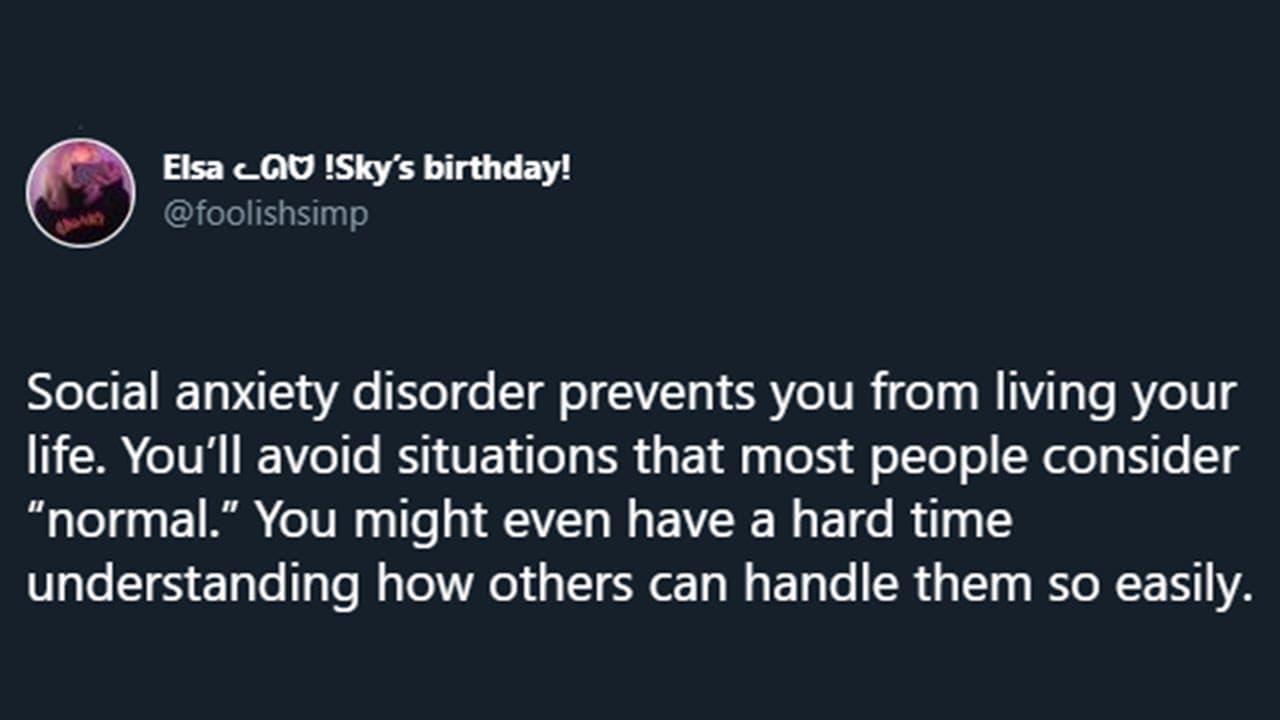
Bullying in childhood can lead to social anxiety in adulthood as the brain learns to associate being seen with danger. The amygdala activates a fear response, shutting down rational thinking, resulting in anxiety in social situations. Techniques like meditation and mindful noticing can help individuals like Adam rewire their brain and manage social anxiety effectively.
Transcript
hey friends i'd love to talk to you today about our sponsor audible so i'm a huge fan of audible i've been a customer of theirs for over a decade now um i really love listening to audiobooks i found that as i've gotten busier and busier it's hard to find the time to actually read and the other real challenge is that you know we're so concerned abou... Read More
Key Insights
- ❓ Audiobooks can be an enjoyable alternative to reading and can be combined with everyday tasks.
- 🥺 Bullying during childhood can lead to social anxiety later in life, as the brain learns to associate being seen with danger.
- 😨 Social anxiety is a result of the amygdala activating the fear response and the cerebral cortex being shut off.
Install to Summarize YouTube Videos and Get Transcripts
Explore YouTube Video Summarizer or Get YouTube Transcript Extractor
Questions & Answers
Q: How does listening to audiobooks help with finding time to read?
Audiobooks provide a convenient way to enjoy books while doing other activities, such as chores or tasks that are generally procrastinated on. They offer a pleasing distraction and can make mundane activities more enjoyable.
Q: How did bullying contribute to Adam's social anxiety?
Adam was constantly targeted and bullied during his childhood, especially during recess when teachers were not around. This caused him to associate being seen with danger, activating his amygdala and triggering a fear response.
Q: How did the amygdala and hippocampus play a role in Adam's social anxiety?
The amygdala, being the fear and survival center of the brain, would activate in response to perceived danger when being seen. The hippocampus, as the learning center, remembered the negative experiences and reinforced the fear response.
Q: How did meditation help Adam overcome his social anxiety?
Meditation allowed Adam to observe his reactions and sensations without judgment or resistance. By noticing his anxiety instead of trying to control it, he was able to let it subside naturally over time.
Q: What techniques were used to help desensitize Adam to social situations?
Adam was encouraged to set small goals, such as attending a party and observing his reactions. By allowing him to experience and learn that nothing bad would happen, his brain gradually rewired to perceive social situations as less threatening.
Summary & Key Takeaways
-
The content begins with a discussion about the benefits of audiobooks and recommends a trial of Audible's services.
-
The majority of the content focuses on a case study of Adam, a 21-year-old male who developed social anxiety due to childhood bullying.
-
The content explains the neuroscience behind social anxiety, including the activation of the amygdala and the shutting off of the cerebral cortex.
-
The author describes the techniques used to help Adam overcome his social anxiety, including meditation, noticing his reactions, and desensitization to social situations.
-
(Content reviewed on 2026-08-27.)
Read in Other Languages (beta)
Share This Summary 📚
Summarize YouTube Videos and Get Video Transcripts with 1-Click
Try YouTube Summary with ChatGPT & Claude or YouTube Transcript Generator
Explore More Summaries from HealthyGamerGG 📚





Summarize YouTube Videos and Get Video Transcripts with 1-Click
Try YouTube Summary with ChatGPT & Claude or YouTube Transcript Generator