How to Stay Strong When Life Becomes Difficult
TL;DR
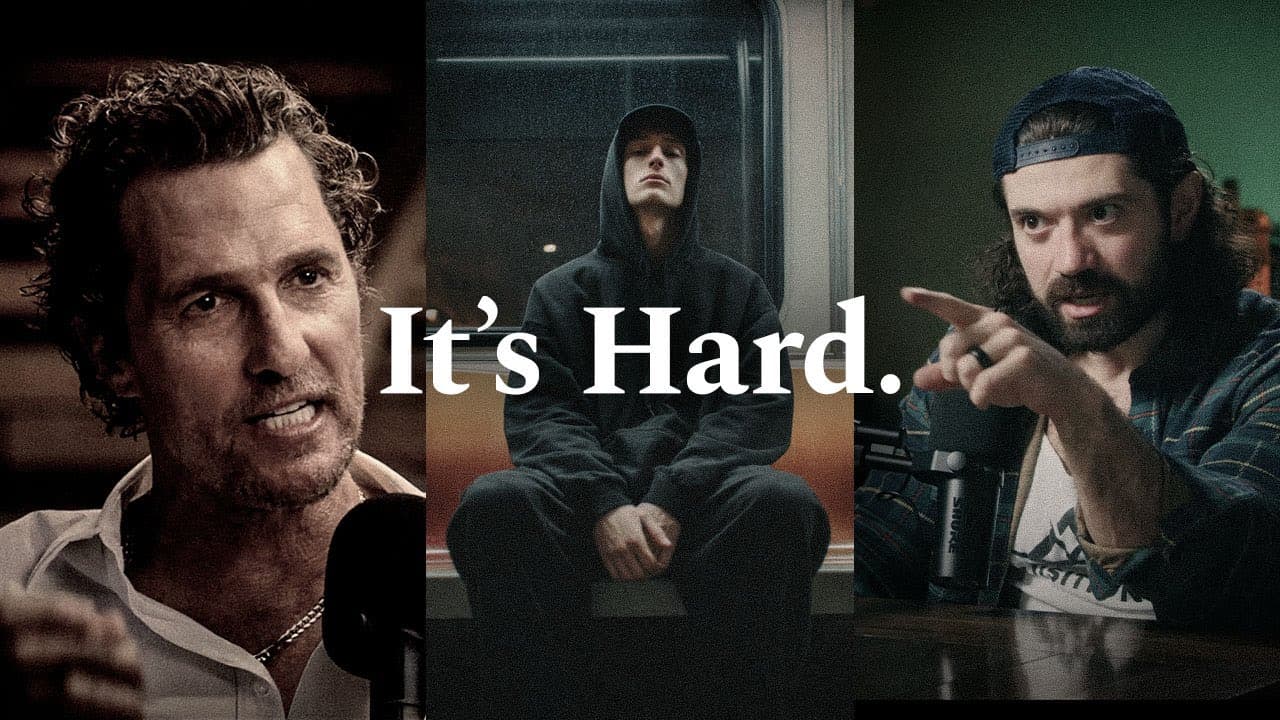
Stay strong when life becomes difficult by accepting that hardship is unavoidable, focusing on your own actions, and continuing even when pain, doubt, or disappointment remains. Worthwhile goals may demand lost sleep, sacrifice, boring work, and many years without reward. When the whole journey feels overwhelming, concentrate on surviving today and refusing to give up. Read on for practical lessons about resilience, responsibility, and purposeful pain.
Transcript
It's supposed to be all right. If it wasn't hard, everyone would do it. The hard is what makes it great. What the hell does fair have to do with it? I got a big news flash for you, Tammy. Life isn't fair. You're going to have to scrape and claw for everything you want, just like the rest of us. But you haven't done one single thing to make it bette... Read More
Key Insights
- Life is inherently difficult and unfair, so demanding that circumstances become easier does not improve a person's ability to respond. Accepting reality redirects attention from entitlement and comparison toward the choices and actions that remain personally controllable.
- Hardship is part of every worthwhile pursuit because meaningful achievements require effort, uncertainty, and sacrifice. The greater the desired payoff, the more likely the path will involve lost sleep, unfinished tasks, financial pressure, self-doubt, and difficult decisions without guaranteed outcomes.
- Personal responsibility begins with recognizing that outside rescue may never arrive. Support can exist, but each person must ultimately decide whether to act, prepare, persist, and improve instead of complaining while doing nothing to change the situation.
- Resilience is the ability to keep operating during unexpected hardship. People often collapse when adversity arrives because they have not developed this capacity, while deliberate exposure to difficult tasks can strengthen courage, awareness, confidence, and respect for both oneself and the challenge.
- Long-term success often requires working without immediate reward for many years. The process includes doing tasks others find boring and temporarily sacrificing attractive experiences in favor of uncomfortable work that serves the one outcome a person wants most.
- Pain is unavoidable, but its direction can be chosen. The pain of discipline, growth, learning, giving, and forgiving can change a person, while pain without purposeful action can simply continue causing harm without producing progress.
- Setbacks do not require surrender because being knocked down or delayed does not end a person's ability to live, grow, and continue. Surviving the present day can be enough when the full journey feels overwhelming or impossible.
- Self-respect grows through intentional action because completing what was planned provides a concrete measure of effort. Preparing carefully, acting courageously, and finishing the day's commitment can create gratification, significance, confidence, and greater awareness of personal capability.
Install to Summarize YouTube Videos and Get Transcripts
Explore YouTube Video Summarizer or Get YouTube Transcript Extractor
Questions & Answers
Q: How can you stay strong when life becomes difficult?
Accept that life is hard and may not be fair, then focus on the actions you can take instead of demanding easier circumstances. Prepare yourself to operate during hard times and keep going despite pain, doubt, or disappointment. If the entire struggle feels overwhelming, focus on surviving today.
Q: Why does expecting life to be easy make hardship worse?
Expecting ease leaves people unprepared for unexpected hardship and less able to operate when difficulties arrive. Demanding fairness or comparing your starting point with someone else's does not make you stronger. Acceptance redirects your attention toward your own choices and effort.
Q: What does it mean to choose the pain that changes you?
Some pain merely hurts, while purposeful pain can support discipline, growth, stronger relationships, a business, or a legacy. The speech urges people to choose discomfort connected to what they want most. That pain may still involve struggle and tears, but it can lead to a meaningful reward.
Q: How does personal responsibility help during adversity?
Personal responsibility begins with recognizing that no one may come back to rescue you or make you special. You may receive support, or you may not, but you still must decide how to respond. Taking ownership encourages action instead of complaining without doing anything to improve the situation.
Q: Why can worthwhile goals require years of work without reward?
The speech says many successful people spend not a month or a year, but many years working without reward. They do tasks others find boring and sacrifice interesting activities for the one outcome they want most. Difficulty and delayed payoff are presented as normal parts of pursuing something worthwhile.
Q: What should you do after failure or a major setback?
Do not treat failure as a reason to give up or give in. Acknowledge disappointment, accept responsibility, and carry on without making excuses that would deprive you of ownership of your victories. Even when the full path feels impossible, getting through the present day is a meaningful next step.
Q: How can hardship build confidence and self-respect?
Hardship becomes strengthening when you prepare for it, act despite fear, and give the challenge everything you have. Difficult experiences test your ability to keep operating rather than fold. Enduring them can leave you stronger, more conditioned for future struggles, and content with your effort even when the outcome disappoints you.
Q: What sacrifices may be required to pursue a meaningful goal?
The path may include lost sleep, financial stress, self-doubt, unfinished to-do lists, and uncertainty about whether you made the right decision. It can also require giving up preferred activities for a season to do work you would rather avoid. These sacrifices reflect what hard work feels like, not necessarily proof that the pursuit is failing.
Summary & Key Takeaways
-
Life is difficult and often unfair, so expecting comfort or equal circumstances only makes adversity harder to handle. The productive response is to accept reality, take responsibility for available choices, and continue acting despite uncertainty, exhaustion, disappointment, fear, or the absence of outside help and guidance.
-
Worthwhile goals demand sacrifice, discipline, and patience. Progress may require years of unrewarded work, boring repetition, missed comforts, financial stress, and persistent doubt. Instead of treating these experiences as proof of failure, the speech presents them as the normal cost of pursuing something meaningful and uncommon.
-
Pain cannot always be avoided, but its purpose can be chosen. Discipline, growth, learning, giving, and forgiving all hurt, yet they can transform a person. By preparing for hardship, surviving one day at a time, and refusing to surrender after setbacks, people build courage, confidence, strength, and self-respect.
Read in Other Languages (beta)
Share This Summary 📚
Summarize YouTube Videos and Get Video Transcripts with 1-Click
Try YouTube Summary with ChatGPT & Claude or YouTube Transcript Generator
Explore More Summaries from Motiversity 📚



Summarize YouTube Videos and Get Video Transcripts with 1-Click
Try YouTube Summary with ChatGPT & Claude or YouTube Transcript Generator