How to stop seeking approval and find true freedom
TL;DR
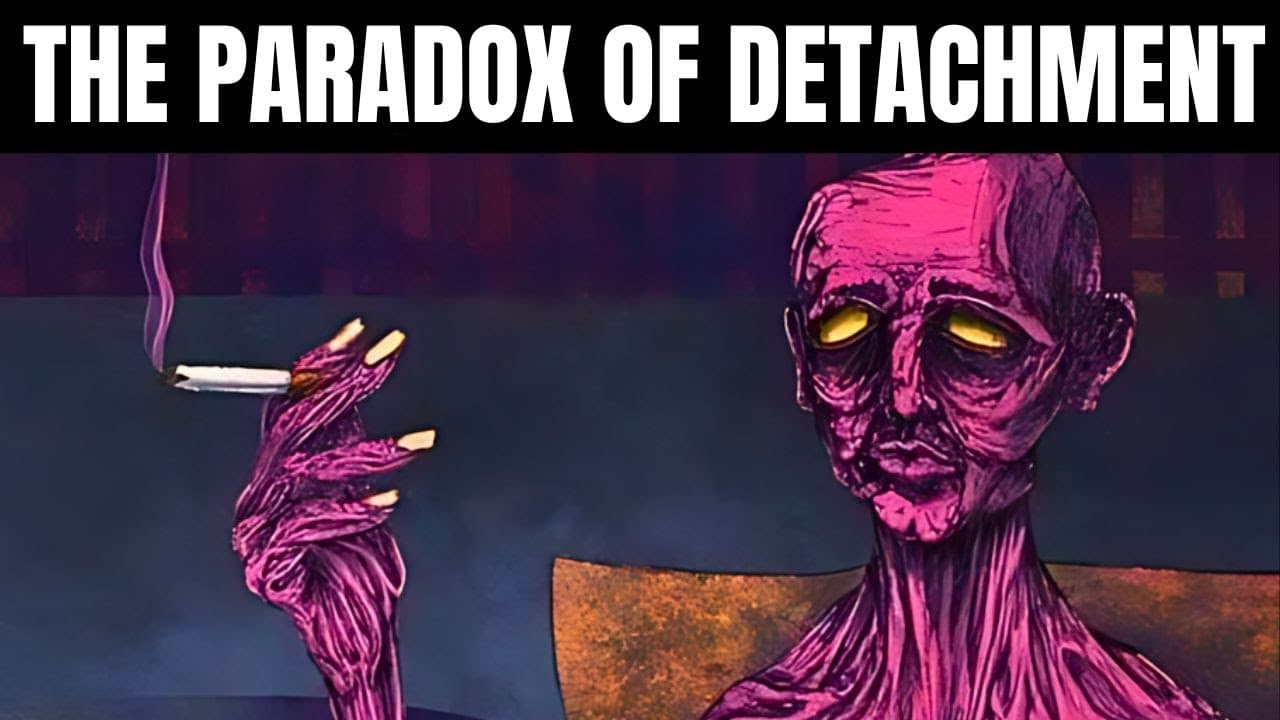
The core message is that true freedom comes from letting go of the need to please others and from detaching from external validation. By recognizing that control is an illusion and authenticity is essential, you can begin a path toward living aligned with your real self, even if it feels unsettling at first.
Transcript
do you want to know something that nobody has ever confessed to you You are trapped Yes you You are trapped in a jail that you yourself built brick by brick With every decision made thinking about what others might say with every action that you stopped doing for fear of failing With every fake smile that hid your true desire to scream Do you feel ... Read More
Key Insights
- Detachment is presented as the key to freedom, not indifference, and it starts with relinquishing the need for others to approve your choices.
- True success is defined as living in alignment with your own nature, which may require giving up goals that were never truly yours and breaking free from external expectations.
- Control is described as a mental trap that increases anxiety the more you try to manage it, so letting go is portrayed as a practical route to inner calm.
- Authenticity is shown as the foundation of meaningful relationships and lasting accomplishments, since pretending creates a hollow sense of security that cannot sustain real life.
- The text emphasizes that many people cling to a fixed self-image inherited from society; shedding this mask is necessary to discover what you truly are and what you genuinely want.
- Fear of loss is a barrier; embracing uncertainty is framed as essential for discovering a life that is truly yours, not borrowed from others.
- Storytelling is framed as a mirror of identity, where narratives about ourselves can act as rehearsals for real life decisions and self-discovery.
- The call to action is pragmatic: practice letting go of approval, release the fear of failing, and step into a frontier where you may not control outcomes but can own your authentic path.
Install to Summarize YouTube Videos and Get Transcripts
Explore YouTube Video Summarizer or Get YouTube Transcript Extractor
Questions & Answers
Q: How to begin detaching from others opinions without losing compassion?
Detaching starts with recognizing that external opinion is not the sole measure of your worth and then practicing small steps to live by your own values. Begin by identifying one decision you would make differently if you were only answering to yourself, and enact it without seeking others validation. Over time this builds a muscle of internal guidance and reduces anxiety caused by fear of judgment.
Q: What does authentic success look like according to the text?
Authentic success is defined as living fully aligned with your own nature, not chasing externally defined milestones. It requires questioning whether the goals you pursue truly reflect your desires or were imposed by social expectations. When you can align actions with inner truth, fulfillment becomes sustainable rather than temporary applause.
Q: Why is control described as a trap, and how can you counter it?
Control is described as a trap because the more you try to manage every outcome, the more anxiety and detachment you experience as reality remains unpredictable. Countering it involves accepting uncertainty, letting go of the need to predict every result, and choosing to act in accordance with core values rather than fear of failure.
Q: How can storytelling help with self discovery, according to the video?
Storytelling is presented as a mirror for identity, allowing you to explore multiple paths and outcomes without real risks. By narrating your experiences and roles, you rehearse possible selves and reveal hidden desires or fears. This reflective practice helps clarify what you want versus what you fear losing.
Q: What is the paradox of letting go that Montaigne highlights?
The paradox is that letting go of what you are not reveals what you truly are, yet fear of losing the familiar identity makes that discovery terrifying. Embracing this uncertainty is required to access freedom, because true self becomes visible only when external masks are removed.
Q: What role do relationships play in the pursuit of authenticity?
Relationships are healthier when built on authenticity because they survive changes that come from being true to yourself. The text argues that pretending drains energy and erodes trust, whereas honesty about your needs and limits fosters more meaningful connections that endure beyond social approval.
Q: How should one respond to the fear of losing what they have?
Responding to this fear involves recognizing that clinging to possessions or roles often prevents genuine life from emerging. By evaluating what truly matters and what can be let go, you create space for new possibilities that better align with your authentic self, reducing the grip of fear over time.
Q: What is the practical first step toward living without constant approval seeking?
The practical first step is to identify a single area where you routinely seek validation and deliberately act according to your own values instead. Document the outcome, observe the emotional changes, and gradually extend this practice to other areas. This builds confidence and demonstrates that your worth does not depend on others approval.
Summary & Key Takeaways
-
Detachment reveals that freedom comes when you stop trying to control others and the situation, and focus on living in alignment with your own values.
-
Authenticity is not a failure to care about others but a commitment to being honest about your own desires, reducing the social masks that drain energy and joy.
-
The path to true success is redefining it as living in accordance with your nature, not merely achieving externally imposed goals or accumulating approval from spectators.
Read in Other Languages (beta)
Share This Summary 📚
Summarize YouTube Videos and Get Video Transcripts with 1-Click
Try YouTube Summary with ChatGPT & Claude or YouTube Transcript Generator
Explore More Summaries from Psychotic 📚



Summarize YouTube Videos and Get Video Transcripts with 1-Click
Try YouTube Summary with ChatGPT & Claude or YouTube Transcript Generator