What Does a Personal Injury Lawyer Do Daily?
TL;DR
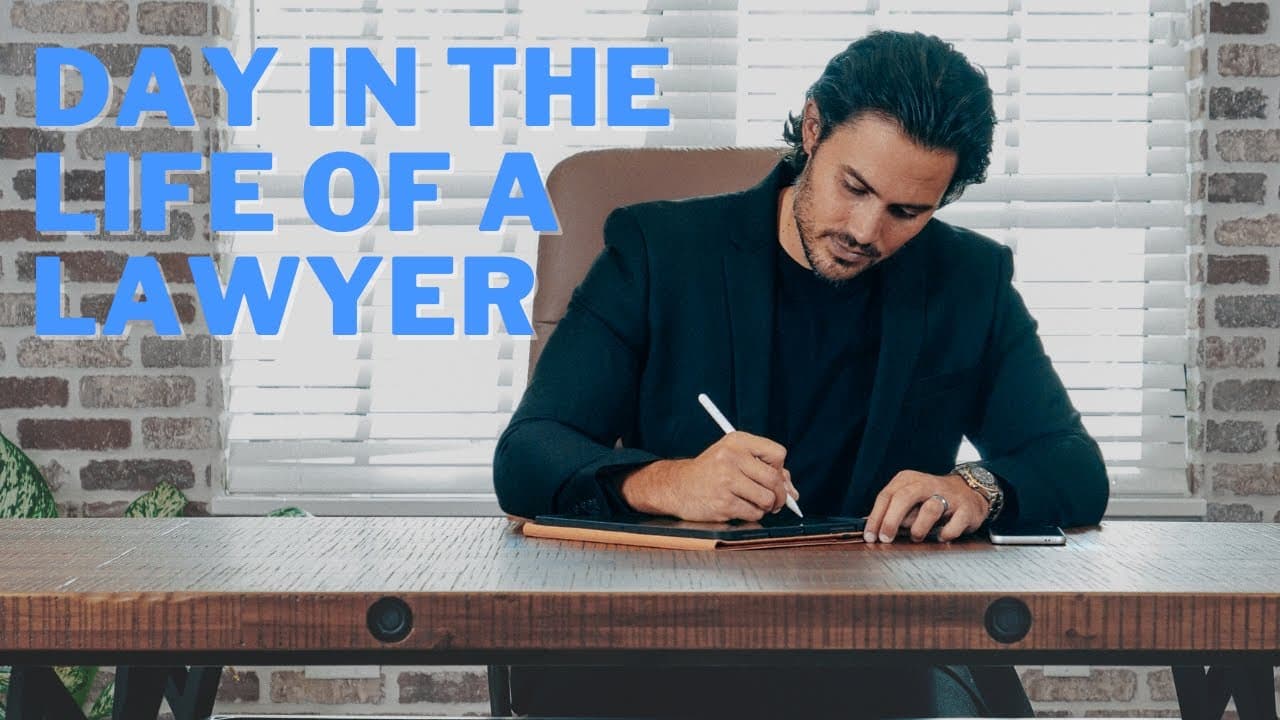
A personal injury lawyer’s workday combines scheduled proceedings with constant case preparation and unexpected problems. Typical responsibilities include preparing clients for recorded statements, reviewing settlement distributions, attending hearings, organizing evidence for mediation, resolving unpaid medical bills, communicating with opposing counsel, and documenting exactly where every penny of a client’s settlement goes.
Transcript
today we're gonna go through a day in the life of the lawyer you know i'm gonna take you through my schedule see what a normal day is at the office when i've got a bunch of different things a bunch of different office work um a hearing some other things we'll go through the calendar go through the schedule so you can see what it's like to be me for... Read More
Key Insights
- The office calendar is the primary tool for controlling the lawyer’s day because it tracks client appointments, recorded statements, settlement distributions, hearings, conferences with opposing counsel, and preparation deadlines that must fit around ongoing casework.
- A recorded statement is requested by an insurance company near the beginning of a case, and the lawyer prepares the client because statements about the accident, injuries, or coverage can later be used by the insurer.
- The minor client’s recorded statement focused on coverage rather than fault or injuries. The insurer wanted confirmation that the child lived with his mother and was her dependent, and the process concluded with coverage under her policy.
- A settlement statement accounts for every part of the recovery, including medical bills, case costs, attorney fees, the client’s net payment, and money connected to future medical needs. The firm does not distribute the settlement until the client signs it.
- Mediation preparation is a multistep process that requires reviewing medical records, bills, photographs, video evidence, treatment history, pain and suffering, and the family’s future before selecting materials for a presentation.
- PowerPoint was used for the upcoming Zoom mediation because the lawyer had not determined how to share his preferred iPad presentation program through Zoom. The technical limitation reduced the presentation capabilities available to him.
- A realistic office day involves frequent interruptions from calls, emails, new clients, and unexpected billing issues. These problems compete with focused work such as reading, writing, researching, and building a mediation presentation.
- A settled case still requires substantial closing work because medical bills, insurance payments, case costs, and final statements must be resolved. The lawyer considers the matter unfinished until the client understands where every penny went and remaining obligations are addressed.
Install to Summarize YouTube Videos and Get Transcripts
Explore YouTube Video Summarizer or Get YouTube Transcript Extractor
Questions & Answers
Q: What does a personal injury lawyer do during a typical office day?
A typical office day combines scheduled appointments with detailed case preparation and unexpected problem solving. The lawyer may prepare a client for a recorded statement, complete a settlement distribution, attend a hearing by Zoom, speak with opposing counsel, organize evidence for mediation, review medical bills, answer calls and emails, and address new issues that interrupt planned work.
Q: Why should a lawyer prepare a client for a recorded statement?
A lawyer prepares the client because the insurance company can use the recorded statement later in the case. Preparation helps the client address questions about how the accident happened, who was at fault, what injuries were sustained, or whether coverage applies. In the example discussed, the statement concerned whether a minor qualified for coverage under his mother’s insurance policy.
Q: What information is included in a settlement statement?
A settlement statement shows where the money from a resolved case goes. It identifies medical bills, case costs, attorney fees, the client’s net recovery, and funds related to future medical needs. The firm reviews these details with the client and does not distribute the case proceeds until the client signs the statement at the bottom.
Q: What happens during a personal injury settlement distribution?
During the distribution, the client reviews and signs the settlement statement, sees how medical bills and case costs are paid, learns the exact attorney fee, and confirms the net amount received. The process is intended to close the financial side of the case transparently and reduce concern about unpaid obligations or someone seeking payment afterward.
Q: How does a lawyer prepare a serious car accident case for mediation?
The lawyer first gathers the documents and evidence needed for review, then selects material for the mediation presentation. In the case described, that material included medical records, medical bills, photographs, and restaurant security footage of the collision. The presentation also addresses treatment, pain and suffering, future consequences, a lost loved one, and a client’s broken neck.
Q: Why did the lawyer use PowerPoint for the Zoom mediation?
The lawyer used PowerPoint because it was easy to share during a Zoom mediation. He preferred presentation programs available on his iPad, but he had not figured out how to share the iPad screen while running that program through Zoom. PowerPoint offered fewer capabilities, yet it provided a practical format for presenting the assembled documents and evidence remotely.
Q: How does the lawyer organize his daily tasks?
The lawyer reviews his calendar each morning and writes a top-to-bottom task list on his iPad. He includes only work he believes he can complete, such as finishing a distribution, handling a recorded statement, preparing mediation materials, and attending a hearing. He also adds a daily goal involving signing a case, sending a demand, or settling a case.
Q: Why is a personal injury case not finished immediately after settlement?
A settlement does not end all administrative and financial work. The firm may still need to resolve medical bills, correct insurance payment problems, account for case costs, prepare closing statements, and explain the distribution to the client. The lawyer says every penny must be accounted for so the client understands the payment and is protected from later collection demands.
Summary & Key Takeaways
-
The lawyer begins his Tuesday by reviewing a calendar that governs the office’s schedule. His planned appointments include preparing a client for an insurance company’s recorded statement, completing a settlement distribution, attending a Zoom hearing concerning two motions, speaking with opposing counsel, and preparing a serious car accident case for mediation.
-
The recorded statement concerns insurance coverage for a minor client. After preparing the client’s mother and completing the statement, the firm confirms that the child will receive coverage under her policy. Later, another client reviews and signs a settlement statement showing medical bills, case costs, attorney fees, and the client’s net recovery.
-
Between appointments, the lawyer organizes medical records, bills, photographs, and security footage for an upcoming mediation presentation. Calls, emails, new cases, and payment problems create frequent interruptions. He manages the workload with a carefully limited daily task list while aiming to sign a case, send a demand, or settle a case.
Read in Other Languages (beta)
Share This Summary 📚
Summarize YouTube Videos and Get Video Transcripts with 1-Click
Try YouTube Summary with ChatGPT & Claude or YouTube Transcript Generator
Explore More Summaries from Lawyer You Know 📚




Summarize YouTube Videos and Get Video Transcripts with 1-Click
Try YouTube Summary with ChatGPT & Claude or YouTube Transcript Generator