What Did Workers Find Behind the Old Fireplace in Harlan County, Kentucky?
TL;DR
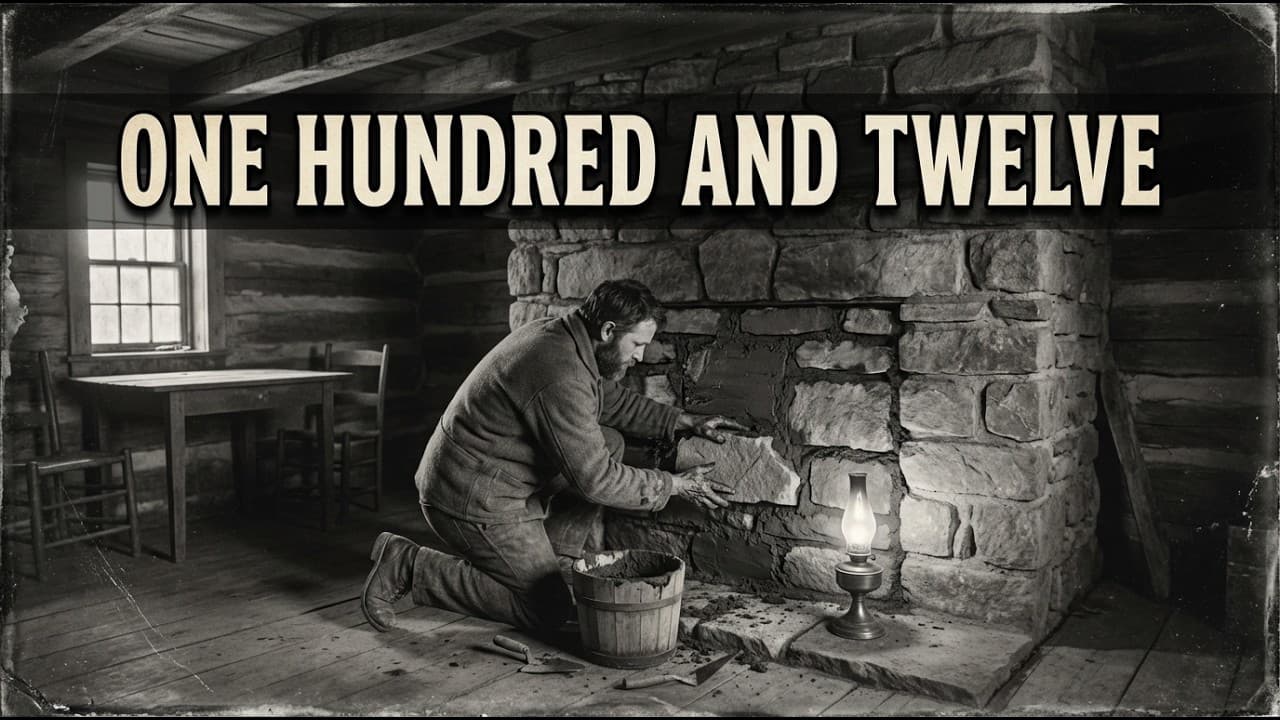
Workers removing stones from an old farmhouse fireplace in Harlan County, Kentucky, found a narrow underground passage connected to Margaret Cornett’s Underground Railroad operation. Discovered in 1887, the passage bore marks recording the 112 people it helped escape and had been sealed from the inside. Read on to discover how letters, journals, and other records reconstructed its long-hidden history.
Transcript
In the winter of 1887, in a farmhouse sitting at the edge of Harlan County, Kentucky, a crew of men hired to renovate an old stone hearth stopped working around mid-morning and refused to go back inside. The foreman, a man named Elias Pruitt, filed a brief written account with the county clerk 3 days later. Not a complaint, not a legal notice, just... Read More
Key Insights
- The passage was discovered in 1887 during a fireplace renovation in Harlan County, Kentucky.
- Margaret Cornett initiated the operation in the late 1840s to aid individuals escaping slavery.
- The passage was used to help 112 people escape through the Underground Railroad.
- The passage was sealed in the 1880s by Hiram Cornett, Margaret's son, after her death.
- The operation was kept secret for decades to protect those involved and those who used it.
- Clarence Duff, a stonemason, was instrumental in constructing and maintaining the passage.
- The story was pieced together from various documents, including letters and journals.
- The marks on the passage wall were a record of the individuals who had passed through.
Install to Summarize YouTube Videos and Get Transcripts
Explore YouTube Video Summarizer or Get YouTube Transcript Extractor
Questions & Answers
Q: What was found behind the old fireplace in Harlan County, Kentucky?
During an 1887 renovation, workers removing the fireplace’s stones found a narrow passage descending beneath the farmhouse. It was narrow enough that a grown man had to turn sideways to enter, had been sealed from the inside, and bore repeated marks along its left wall.
Q: What was the hidden passage used for?
The passage was part of an operation led by Margaret Cornett to help people escaping slavery through the Underground Railroad. The operation began in the late 1840s and initially used the farmhouse’s root cellar as a hiding place.
Q: How many people escaped through the Cornett farmhouse passage?
The passage helped 112 people escape through the Underground Railroad. Marks carved into its wall recorded the people who passed through.
Q: Who was Margaret Cornett?
Margaret Cornett led the secret operation at the Poor Fork farmhouse in Harlan County. Beginning in the late 1840s, she used the property to shelter and assist people escaping slavery.
Q: Who constructed the hidden passage?
Clarence Duff, a stonemason, was instrumental in constructing and maintaining the passage. It connected the farmhouse to an operation that moved people through the Kentucky mountains.
Q: Why was traveling through eastern Kentucky difficult?
Eastern Kentucky consisted of ridge lines, creek valleys, and isolated settlements that could be days apart on horseback. Travelers needed help identifying unwatched routes, trustworthy families, and farms with root cellars suitable for overnight shelter.
Q: When and why was the passage sealed?
Hiram Cornett, Margaret’s son, sealed the passage in the 1880s after her death. When workers discovered it in 1887, evidence showed that it had been sealed from the inside.
Q: How was the history of the hidden passage reconstructed?
The story emerged gradually from historical documents, including letters and journals. Elias Pruitt also filed an account with the county clerk three days after the workers discovered the passage, although that document was mislaid during the following decade.
Summary & Key Takeaways
-
In 1887, a hidden passage was discovered behind a fireplace in a Kentucky farmhouse. This passage, constructed by stonemason Clarence Duff, was part of an operation led by Margaret Cornett to assist individuals escaping slavery via the Underground Railroad. The passage helped 112 people escape and was sealed in the 1880s. The story was reconstructed from historical documents.
-
Margaret Cornett initiated the operation in the late 1840s, using the farmhouse's root cellar as the initial hiding place. The operation was kept secret, and the marks on the passage wall recorded the 112 people who passed through. The story remained hidden until pieced together from various historical documents decades later.
-
The passage was part of a network that helped individuals move through the Kentucky mountains, avoiding legal and social obstacles. The operation was kept secret to protect those involved and those who used it. The story was reconstructed from documents, including letters and journals, revealing a hidden chapter of American history.
Read in Other Languages (beta)
Share This Summary 📚
Summarize YouTube Videos and Get Video Transcripts with 1-Click
Try YouTube Summary with ChatGPT & Claude or YouTube Transcript Generator
Explore More Summaries from Liturgy of Fear 📚



Summarize YouTube Videos and Get Video Transcripts with 1-Click
Try YouTube Summary with ChatGPT & Claude or YouTube Transcript Generator