How Can Biotechnology Save Endangered Species?

TL;DR
Biotechnology can significantly aid in wildlife conservation by cloning endangered species, like the black-footed ferret, to enhance genetic diversity and stability. Techniques such as genomic sequencing, cryopreservation, and advanced reproductive technologies for birds and corals are being utilized. Collaborations with various organizations and communities are crucial for effective implementation and ecological restoration.
Transcript
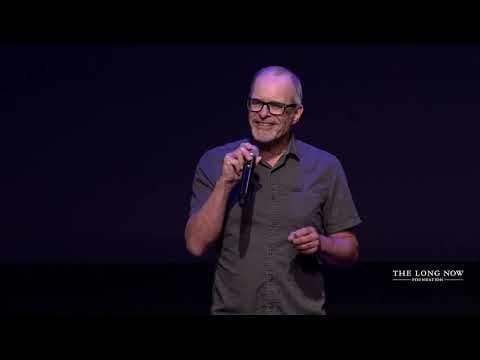
all right it is my pleasure to introduce Ryan feeling and my day job is I'm a long-range forecaster and so I pay attention to people who are good at forecasting and Ryan has this absolutely unerring ability to see emerging connections way ahead of the crowd way ahead of the pack and what I've watched is the first time she'll mentioned something new... Read More
Key Insights
- 🚨 Biotechnology, including genomic sequencing and cell culturing, can be applied to address emerging challenges in conservation, such as invasive species, wildlife diseases, and climate change.
- ❓ Cloning and cryopreservation offer opportunities to increase genetic diversity and revive endangered species.
- 🪸 Stem cell technology is being explored to develop advanced reproductive techniques for improving population stability and reseeding coral reefs.
Install to Summarize YouTube Videos and Get Transcripts
Explore YouTube Video Summarizer or Get YouTube Transcript Extractor
Questions & Answers
Q: How is genomic sequencing applied in conservation efforts?
Genomic sequencing provides valuable insights into the genetic diversity and health of endangered species. It helps identify species with high genetic diversity for breeding programs and informs management decisions based on DNA data.
Q: What is the significance of cloning the black-footed ferret?
Cloning the black-footed ferret has allowed for the introduction of greater genetic diversity into the population, addressing inbreeding issues. It serves as a successful example of using biotechnology to save endangered species.
Q: How are cryopreservation and stem cell technology being utilized in conservation?
Cryopreservation involves preserving cells, tissues, or whole organisms at very low temperatures to maintain genetic diversity. Stem cell technology is used to culture and propagate cells from endangered species for future reintroduction and restoration efforts.
Q: How does Revive and Restore collaborate with other organizations?
Revive and Restore partners with conservation organizations, scientists, and indigenous communities to develop and implement innovative conservation strategies. Collaborations aim to combine traditional knowledge and modern science to protect and restore ecosystems.
Summary & Key Takeaways
-
Revive and Restore aims to apply biotechnology and genomic sequencing to solve emerging challenges in conservation, such as invasive species, wildlife diseases, and climate change.
-
The organization has successfully cloned an endangered black-footed ferret using genomic sequencing and cell culturing, resulting in increased genetic diversity and population stability.
-
The use of cryopreservation and stem cell technology is being explored to bank endangered species and develop advanced reproductive techniques for birds and corals.
-
Collaborations with conservation organizations, scientists, and indigenous communities are key to implementing these technologies and achieving ecological restoration.
Read in Other Languages (beta)
Share This Summary 📚
Summarize YouTube Videos and Get Video Transcripts with 1-Click
Try YouTube Summary with ChatGPT & Claude or YouTube Transcript Generator
Explore More Summaries from Long Now Seminars 📚




Summarize YouTube Videos and Get Video Transcripts with 1-Click
Try YouTube Summary with ChatGPT & Claude or YouTube Transcript Generator