How Much Debt Does the Average 30-Year-Old Have?
TL;DR
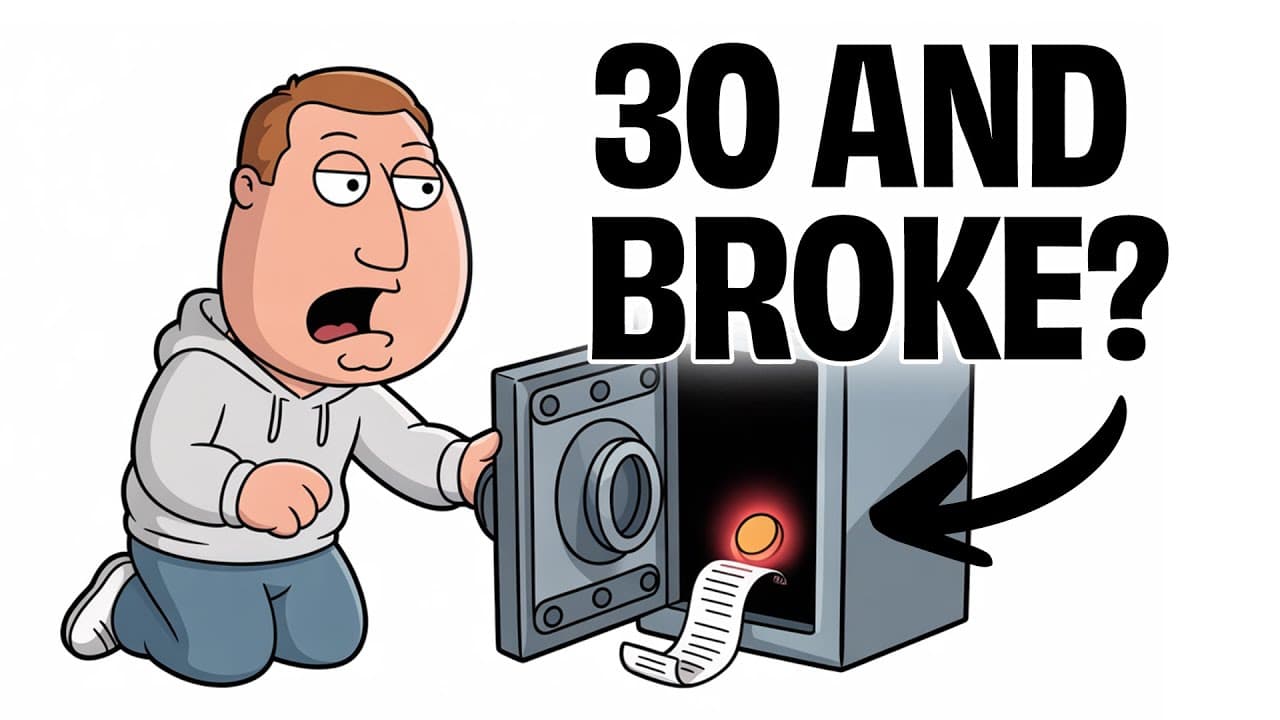
The average 30-year-old carries about $42,000 in student loans and more than $4,000 in credit card debt, creating monthly costs that restrict saving, investing, and major life decisions. High interest rates, expensive housing, medical bills, car repairs, and repayment plans that may allow loan balances to grow make financial progress difficult even for responsible borrowers with steady incomes.
Transcript
Have you ever wondered if you're secretly broke compared to everyone else your age? Maybe you're lying awake at 3 in the morning scrolling through your banking app wondering how your college roommate just bought a house while you're still trying to figure out why your credit card balance keeps growing despite your best intentions. Or perhaps you're... Read More
Key Insights
- The average student loan balance for a 30-year-old is $42,000, representing debt that remains after years of payments rather than the original amount borrowed. The burden can continue into borrowers’ 40s and delay saving, investing, homeownership, marriage, and family planning.
- The average monthly payment on $42,000 of student debt is about $436 under a standard 10-year repayment plan. That recurring expense reduces the money available for a house deposit, emergency fund, retirement account, or discretionary spending during a financially demanding life stage.
- Income-driven repayment plans can reduce monthly obligations but extend the repayment period. When required payments do not cover accumulating interest, the outstanding balance can increase even while borrowers make every payment on time, creating both financial and psychological pressure.
- Michael’s student loan balance grew from $65,000 to $68,500 over three years while he paid $420 each month. After switching to standard repayment, his payment increased to $780, exceeding 15% of his gross income and representing about 20% of his take-home pay.
- Student loan delinquency caused credit score declines of at least 100 points for more than 1 million borrowers. People who previously had scores of 720 or higher experienced an average decline of 177 points, potentially increasing borrowing costs or causing credit denials.
- The average 30-year-old carries more than $4,000 in credit card debt at interest rates averaging around 22% annually. A $4,000 balance therefore generates almost $900 per year in interest, making revolving debt fundamentally different from lower-interest student loan obligations.
- Credit card balances among younger consumers can arise from groceries, medical bills, urgent car repairs, and other necessities. The examples presented show that revolving debt is not always evidence of luxury spending or reckless behavior, but can reflect a gap between earnings and basic living costs.
- Sarah’s $3,800 credit card balance included $1,500 for a failed transmission, $800 for urgent-care expenses, and $1,500 associated with other living pressures. With a minimum payment of about $120 at 22% interest, repayment could take over 18 years and exceed $8,000 in total.
Install to Summarize YouTube Videos and Get Transcripts
Explore YouTube Video Summarizer or Get YouTube Transcript Extractor
Questions & Answers
Q: How much student loan debt does the average 30-year-old have?
The average 30-year-old carries approximately $42,000 in student loan debt, according to the federal data referenced in the discussion. This amount represents what borrowers still owe after making payments for years, not necessarily the original amount borrowed. The associated average monthly payment is about $436 under a standard 10-year repayment plan, limiting funds for savings, retirement, housing, and other priorities.
Q: Why can student loan balances grow while borrowers make payments?
Student loan balances can grow when borrowers use income-driven repayment plans with monthly payments that are lower than the interest accumulating on the debt. The unpaid interest can increase the outstanding balance over time. Michael, for example, paid $420 every month for three years, yet his balance rose from $65,000 to $68,500 before he switched to standard repayment.
Q: How can student loans affect major decisions at age 30?
Student loan payments reduce the income available for building an emergency fund, investing for retirement, saving for a home, or enjoying everyday life. The continuing burden can also influence when borrowers decide to marry, purchase property, or start a family. Some borrowers remain in repayment into their 40s, fundamentally changing the expected timeline for major adult milestones.
Q: How can student loan delinquency affect a credit score?
Student loan delinquency caused credit score declines of 100 points or more for over 1 million borrowers in the data cited. Borrowers who previously had scores of 720 or higher experienced an average decline of 177 points. Such drops can produce higher borrowing costs or outright denials when applying for mortgages, car loans, credit cards, or other forms of credit.
Q: How much credit card debt does the average 30-year-old carry?
The average 30-year-old carries more than $4,000 in credit card debt. With credit card interest rates averaging around 22% annually, a $4,000 balance costs almost $900 per year in interest alone. This high interest burden can make repayment difficult, particularly when borrowers are simultaneously paying student loans, rent, transportation costs, insurance, and other necessities.
Q: Why are younger adults using credit cards for basic expenses?
Younger consumers are increasingly using credit cards and buy now, pay later services for everyday necessities because their income may not cover the full cost of basic adult life. Examples include groceries, urgent car repairs, medical charges not fully covered by insurance, and essential technology replacement. The resulting debt is therefore not always connected to luxury purchases or irresponsible spending.
Q: What expenses created Sarah’s $3,800 credit card balance?
Sarah accumulated $1,500 of credit card debt when her car transmission failed after its warranty expired and another $800 through two urgent-care visits under a high-deductible health plan. The remaining $1,500 reflected other living pressures, including replacing a failed laptop, buying groceries, and occasionally ordering takeout after long workdays. Her minimum monthly payment was about $120.
Q: How long could minimum payments keep Sarah in credit card debt?
At an interest rate of 22%, making only minimum payments could leave Sarah repaying her $3,800 credit card balance for more than 18 years. She could ultimately pay over $8,000 for expenses that included a transmission repair and urgent-care visits. Her situation is intensified by rent consuming 38% of take-home pay and her car payment and insurance taking another 15%.
Summary & Key Takeaways
-
Many 30-year-olds are navigating a financial environment marked by large student loan balances, expensive housing, and everyday costs that strain their income. The average student debt is $42,000, with an average monthly payment of about $436, reducing the money available for emergency savings, retirement investing, home purchases, and personal goals.
-
Income-driven student loan plans can lower immediate payments while extending repayment and potentially allowing balances to grow when payments fail to cover accumulating interest. Michael’s balance increased from $65,000 to $68,500 despite three years of timely payments, and his eventual switch to standard repayment raised his monthly obligation from $420 to $780.
-
Credit card debt often reflects necessary or unexpected expenses rather than luxury consumption. The average balance exceeds $4,000, while interest rates average around 22% annually. Sarah’s $3,800 balance came from a failed transmission, medical expenses, technology replacement, and daily living pressures while rent consumed 38% of her take-home pay.
Read in Other Languages (beta)
Share This Summary 📚
Summarize YouTube Videos and Get Video Transcripts with 1-Click
Try YouTube Summary with ChatGPT & Claude or YouTube Transcript Generator
Explore More Summaries from Nick Invests 📚


Summarize YouTube Videos and Get Video Transcripts with 1-Click
Try YouTube Summary with ChatGPT & Claude or YouTube Transcript Generator