What Does a Psychiatrist Say About Burnt Out Students and Perfectionism?
TL;DR
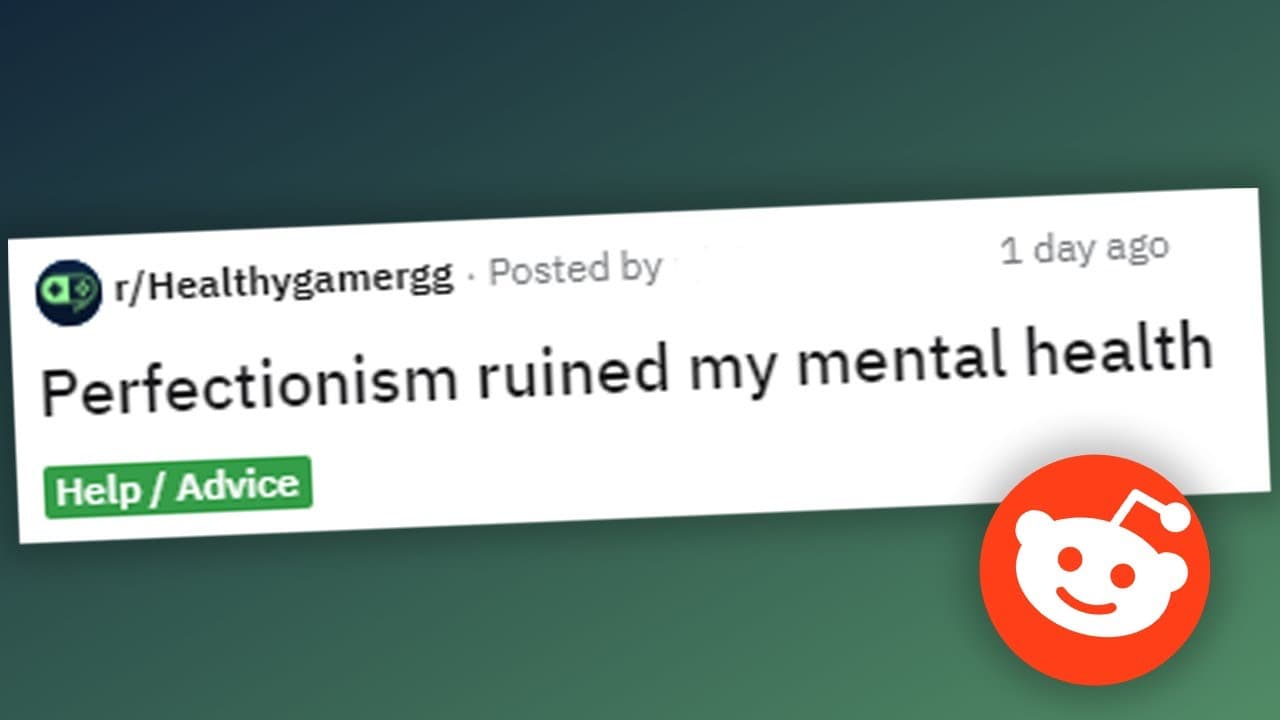
Burnt out students can become trapped when perfectionism makes failure feel intolerable, leading them to avoid assignments, exercise, games, and other meaningful efforts unless conditions feel perfect. The student described burning out within a year after being praised as gifted and continually raising personal expectations. Read on to understand escalating impossibility, avoidance, and the persistent feeling of falling behind.
Transcript
let's get started as a kid i was obsessed with perfectionism for a while i tried to eat perfectly spend all my time studying avoid wasting any time on fun and games i initially did this because i felt lonely and unloved as a kid and i wanted people to seem to like me for something this kind of paid off for a while when i got into middle school i wa... Read More
Key Insights
- "i initially did this because i felt lonely and unloved as a kid and i wanted people to seem to like me for something" (0:10)
- "i tried desperately to maintain this but of course burned out within a year" (0:24)
- "my mind is now hardwired to do things perfectly or not at all" (0:42)
- "i also spend a lot of time maladaptive daydreaming to distract myself from feelings of inadequacy" (1:06)
- "one source of feeling depressed is the persistent feeling of falling behind" (3:25)
Install to Summarize YouTube Videos and Get Transcripts
Explore YouTube Video Summarizer or Get YouTube Transcript Extractor
Questions & Answers
Q: Why can perfectionism lead to burnout in students?
The student kept raising personal expectations after being praised as gifted and burned out within a year. As the expected standard of intelligence rose, falling short became increasingly frightening.
Q: Why do perfectionists avoid trying their best?
The student feared that trying their best and failing would cause intense self-hatred. Avoiding effort preserved the belief that anything could be accomplished if they tried, without testing that belief through action.
Q: How does all-or-nothing perfectionism affect daily life?
The student described being hardwired to do things perfectly or not at all. They skipped the gym without the perfect mood, avoided assignments they could not complete perfectly, and did not enjoy games when perfect performance felt impossible.
Q: How are loneliness and perfectionism connected in this case?
The student initially pursued perfection because they felt lonely and unloved and wanted people to like them for something. Academic praise provided approval for a while, but perfectionism did not resolve the original loneliness.
Q: What is maladaptive daydreaming doing for the student?
The student said they spent substantial time maladaptive daydreaming to distract themselves from feelings of inadequacy. In the account, it functions as a way to avoid painful feelings rather than address them.
Q: Is perfectionism a psychiatric diagnosis?
The psychiatrist says perfectionism is not a psychiatric diagnosis. Someone can tell a therapist they are perfectionistic, but there is no particular playbook that therapists are explicitly trained to use for it.
Q: What does the feeling of falling behind look like?
It feels as though everyone else is moving forward while the person remains stuck and unable to catch up. The student similarly felt incomplete compared with people who seemed competent, supported, and certain about what they wanted.
Q: What is escalating impossibility in procrastination?
The example begins with a test a month away and a manageable plan to study one hour each day. After delaying, the required daily study rises to about 1.5 hours, while anxious thoughts prompt more distraction through video games, television, or binge watching.
Summary & Key Takeaways
-
The individual was initially driven by perfectionism to seek approval from others but eventually burned out due to high expectations.
-
Perfectionism leads to a fear of failure and a lack of motivation to try new things.
-
The individual feels incomplete compared to others and struggles with loneliness, lacking a support system and clear goals.
Read in Other Languages (beta)
Share This Summary 📚
Summarize YouTube Videos and Get Video Transcripts with 1-Click
Try YouTube Summary with ChatGPT & Claude or YouTube Transcript Generator
Explore More Summaries from HealthyGamerGG 📚





Summarize YouTube Videos and Get Video Transcripts with 1-Click
Try YouTube Summary with ChatGPT & Claude or YouTube Transcript Generator