How to stay relentless and dominate with hard work
TL;DR
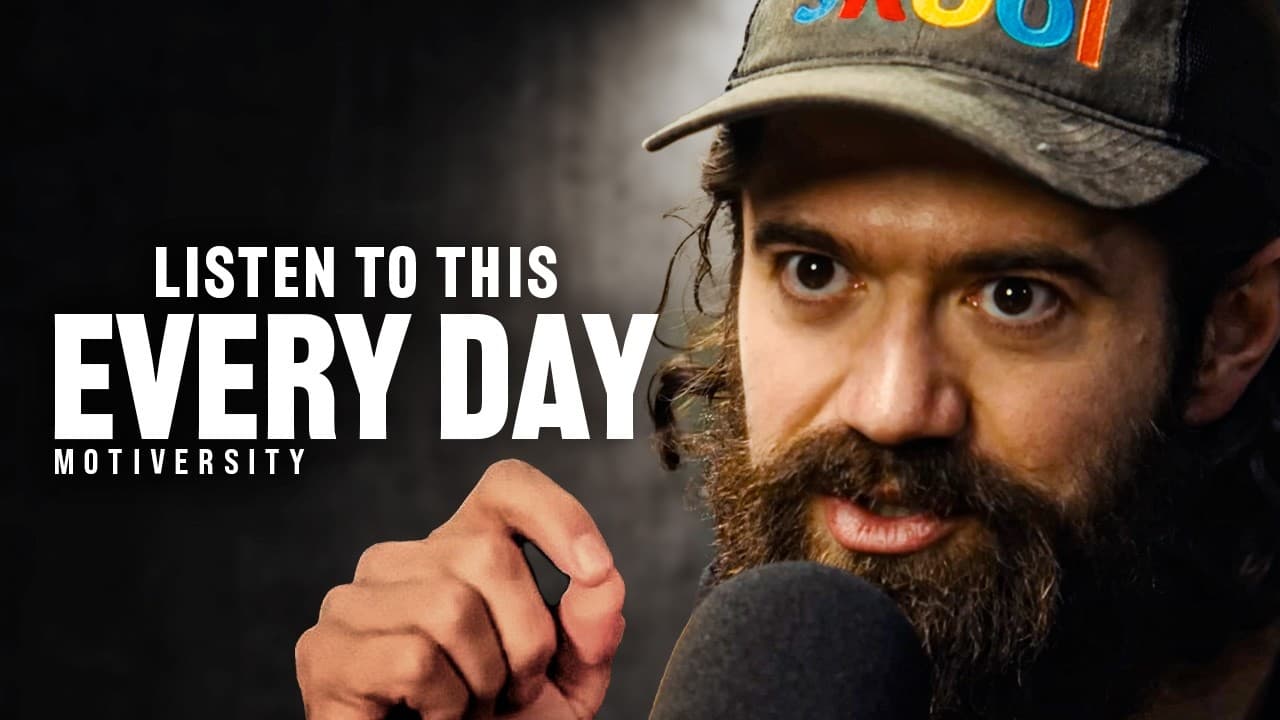
Hard work is a continuous, unending focus on a single goal measured by output and leverage. Pain signals are proof you are alive and progressing, not a problem to avoid. Identify two or three core strengths and push relentlessly until you become exceptional, then repeat with higher levels of challenge.
Transcript
when no one's watching I work harder than when they're watching and thinking about it like that has given me this persistent and everpresent scorecard or third party that's like no one's watching which means now you have to work cuz otherwise you're full of [ __ ] the sign of success is the hate that you get along the way the only person who can ju... Read More
Key Insights
- Hard work is a continuous, unending focus on one thing.
- Output equals volume times leverage, combining quantity with quality.
- Pain is a signal that we are alive and progressing, not a problem.
- Greatness comes after consistent effort over many years, not instant outcomes.
- Identify two to three things you can be exceptional at and commit to them for 5 to 7 years.
- The true measure of effort is how much you have left in the tank at the end of the day.
- People may cheer for you initially but only notice when you actually win.
- Feedback loops and fast iteration help convert behavior into visible results.
- More videos from this channel:
- More from this channel: Motiversity
Install to Summarize YouTube Videos and Get Transcripts
Explore YouTube Video Summarizer or Get YouTube Transcript Extractor
Questions & Answers
Q: A real search query question about the video (e.g. 'How to...', 'What is...', 'Why does...', 'When should...'). Question 1
What does it mean to work hard and work smart at the same time, according to the speech? It means performing as many reps as possible while maximizing leverage. The idea is to increase output by both increasing the number of attempts and enhancing the value of each attempt through skill and efficiency. This creates a virtuous cycle of improvement and higher returns over time.
Q: Question 2
How is pain described in relation to reality and progress? Pain is described as a prerequisite and a signal that you are alive and breathing, not a problem to be fixed. It frames hardship as a constant condition of growth, indicating you are pushing toward your goals rather than stagnating.
Q: Question 3
What is the significance of identifying two or three things you can be really good at? The speaker argues mastery in a few areas accelerates progress because it concentrates time and effort on what matters most. It also clarifies direction, reduces wasted energy, and makes it possible to sustain excellence over many years.
Q: Question 4
How does the speaker describe the relationship between delayed feedback and big goals? The bigger the goal, the longer the lag before you see outcomes. This means you must maintain discipline and keep behaving like a winner even when results are not immediately visible, trusting that steady effort will pay off.
Q: Question 5
What does the concept open to goal mean in practice? It means working until you hit your target, whether that takes until noon or until midnight. The idea is relentless persistence and allowing the workday to extend until the goal is achieved, regardless of the time involved.
Q: Question 6
What role does personal narrative play in the speech about success and others’ perceptions? The speaker notes that people often root for you but cheer less once success is achieved, revealing that overnight perceptions mask years of behind-the-scenes effort and struggles most don’t see.
Q: Question 7
How is the definition of work reframed in the talk? Work is defined as output, calculated as volume times leverage. This reframing encourages consistent action and optimization of both the number of attempts and the value gained from each attempt.
Q: Question 8
Why does the speaker emphasize that influence comes from daily discipline rather than dramatic, singular acts? Because lasting impact builds from repeated, focused effort and the habit of showing up every day, which compounds over years into mastery and recognizable success.
Summary & Key Takeaways
-
The speech reframes hard work as an ongoing, focused effort rather than sporadic hustle, emphasizing output and leverage to drive progress. It also treats pain as a sign of life and a motivator to keep moving forward, not something to escape. Finally, it advises choosing a few key strengths to master over years.
-
The speaker recalls personal milestones and social dynamics, illustrating that public recognition often follows sustained effort, not immediate overnight success, and that supporters may shift when they see progress.
-
The core message centers on building a lasting work ethic that scales with skill, maintains momentum, and uses feedback loops to accelerate growth without compromising health or values.
Read in Other Languages (beta)
Share This Summary 📚
Summarize YouTube Videos and Get Video Transcripts with 1-Click
Try YouTube Summary with ChatGPT & Claude or YouTube Transcript Generator
Explore More Summaries from Motiversity 📚


Summarize YouTube Videos and Get Video Transcripts with 1-Click
Try YouTube Summary with ChatGPT & Claude or YouTube Transcript Generator