How Does Google Address Brand Hijacking? | English Google Webmaster Central Office-Hours Hangout
TL;DR
Google generally does not intervene when another website ranks for a brand name because organic search allows any relevant site to rank. John Mueller says there is no rule limiting brand-related results to the official website, and strengthening the official site can provide more protection over time. Read on for specific guidance about competing pages, disavow files, problematic links, and dead links.
Transcript
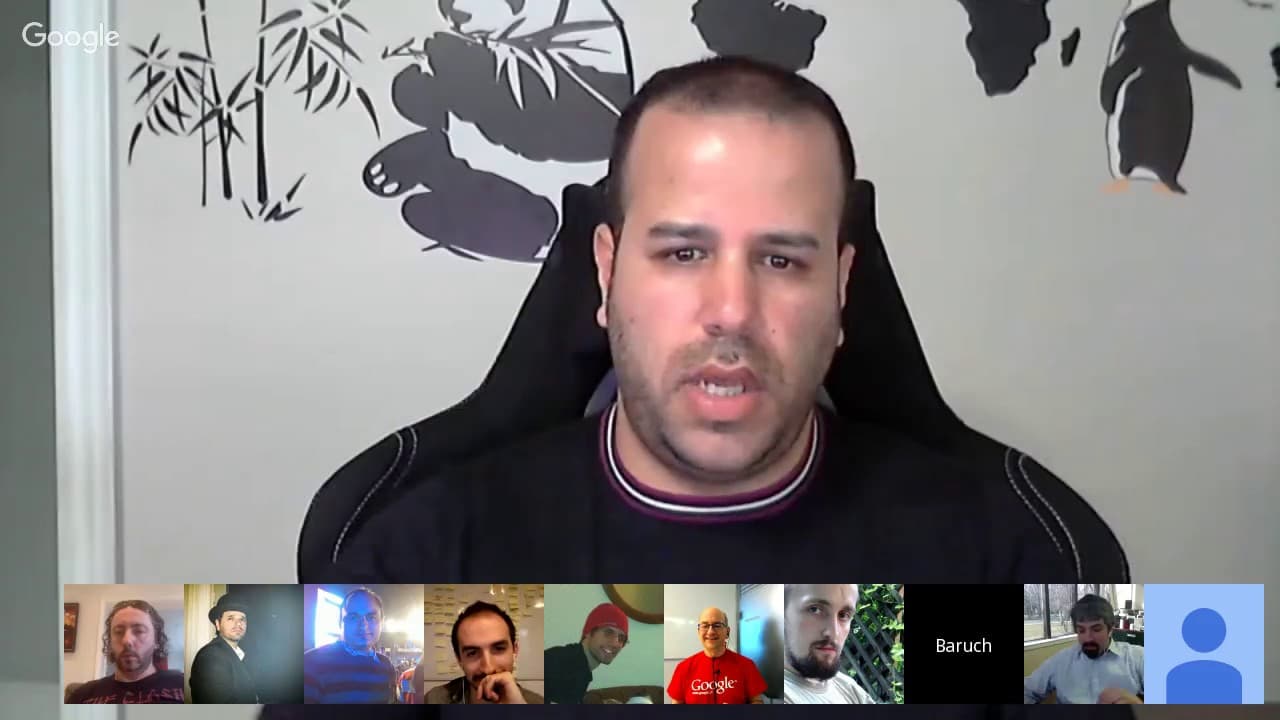
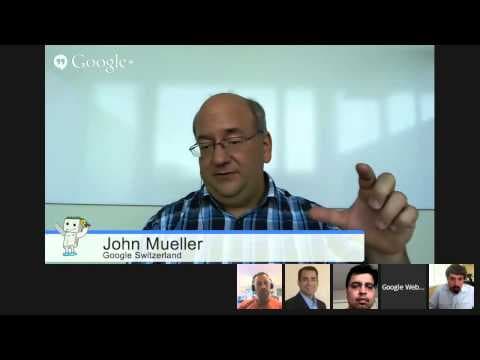
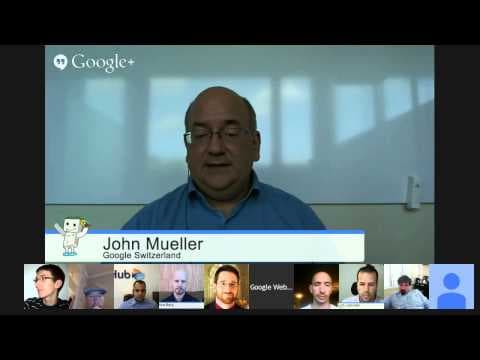
and we're live oh wow I don't see no text anymore either okay welcome everyone to today's Google webm central office hours Hangouts uh my name is John mu I am a webmaster Trends analyst here at Google in Switzerland and part of what we do is talk with web Masters and Publishers like the ones here in the hangout uh the ones that submitted a bunch of... Read More
Key Insights
- Brand hijacking is when other sites rank for your brand name.
- Google does not manually adjust search results for brand hijacking.
- Strengthening your site can help protect against brand hijacking.
- Google considers all content, not just the official site, for ranking.
- Disavowing problematic links can help maintain site integrity.
- Hidden content is less prioritized unless on mobile.
- 404 pages should be helpful for users but don't affect SEO directly.
- Mobile-friendly labeling is only visible to site owners in Search Console.
Install to Summarize YouTube Videos and Get Transcripts
Explore YouTube Video Summarizer or Get YouTube Transcript Extractor
Questions & Answers
Q: How can a company address brand hijacking in Google search results?
Google generally will not manually remove another site merely because it ranks for a company or brand name. John Mueller recommends making the official site stronger so that a random site using the name is less likely to compete successfully, though this can take time.
Q: Does Google reserve brand-name rankings for the official website?
No. Google does not designate a result as the official site and then allow only that site to rank for the brand name. Any site containing relevant content about the name, product, or brand can theoretically appear in the results.
Q: Will Google manually demote unofficial pages that rank for a brand name?
Not simply because those pages are unofficial. Mueller says Google does not manually sort the URLs, elevate the official URL, or remove complaints just to leave the official result.
Q: Why can review sites rank for another company's brand name?
Organic search results can include any site with content containing that company or brand name. The fact that a review site is not the official website does not automatically prevent it from ranking.
Q: Can strengthening an official website reduce brand-name competition?
Yes. Mueller says a stronger site is safer against a random person putting the brand name on another site and ranking for it. Reaching that level of strength can be tricky and may take time.
Q: Should problematic backlinks be added to a disavow file?
They can be added if the site owner wants to ensure that Google's algorithms do not take them into account. Google tries to assess such links on its own, but a disavow file can remove uncertainty for the webmaster.
Q: Is it necessary to remove dead links from a disavow file?
Mueller says cleaning dead links out of a disavow file is not necessary because dead links fall out anyway. He adds that most sites do not need to worry about regularly performing this cleanup.
Q: Does Google automatically handle questionable links without a disavow file?
Google tries to identify and handle questionable links on its own. However, if a webmaster sees problematic links and wants to ensure they are not considered at all, Mueller says those links can be placed in a disavow file.
Summary & Key Takeaways
-
Brand hijacking in search results is a common issue where unauthorized review sites rank for a brand's name. Google does not manually intervene, as search results are determined by organic rankings. Strengthening your website's authority and quality can help mitigate this issue over time.
-
Disavowing problematic links is recommended if you want to ensure they are not considered by Google's algorithms. While Google tries to manage link quality on its own, using a disavow file can provide peace of mind for webmasters concerned about negative SEO.
-
The use of hidden content is less impactful on desktop but more accepted on mobile due to space constraints. Google's mobile-first indexing approach considers hidden content more favorably on mobile devices, aligning with user experience needs.
Read in Other Languages (beta)
Share This Summary 📚
Summarize YouTube Videos and Get Video Transcripts with 1-Click
Try YouTube Summary with ChatGPT & Claude or YouTube Transcript Generator
Explore More Summaries from Google Search Central 📚

Summarize YouTube Videos and Get Video Transcripts with 1-Click
Try YouTube Summary with ChatGPT & Claude or YouTube Transcript Generator