Going to Meet the Man Review: Bleak and Brilliant
TL;DR
James Baldwin’s eight-story collection is a bleak, brilliantly written examination of racism, despair, family alienation, jealousy, addiction, and damaged relationships. Its refined prose builds empathy through psychological tension and everyday dread, culminating in a deeply disturbing title story about racist violence, abused power, sexual domination, and a sheriff’s childhood memory of a lynching.
Transcript
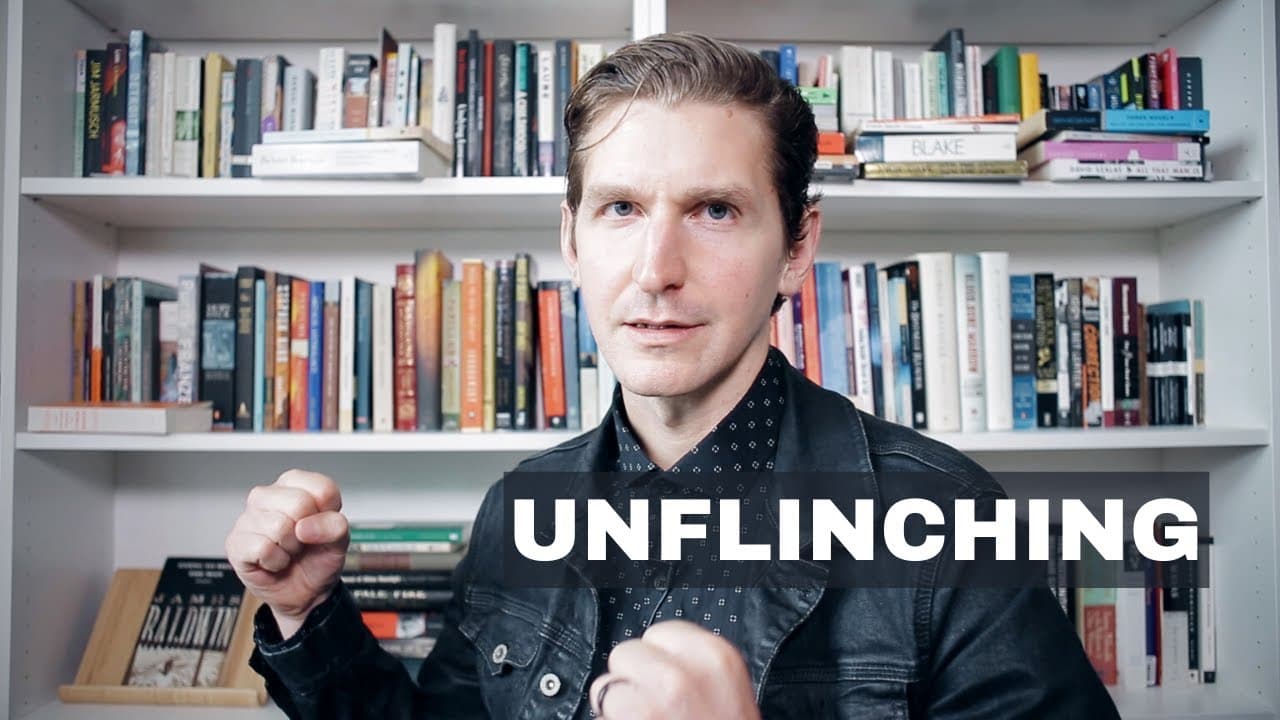
he has a very refined sophisticated style that can take off its jacket roll up its sleeves and deliver one hell of a knockout punch you know good morning everyone welcome to better than food book reviews i'm your host covertly sergeant Grady sudo as always hope you're doing well get that coffee mm-hmm there will be spoilers in this review just a wa... Read More
Key Insights
- Baldwin’s style is refined and sophisticated, but it can also become forceful and devastating. The reviewer praises his ability to combine literary control with emotional impact, particularly when his stories enter violent, psychologically vicious, or socially uncomfortable territory without holding back.
- The collection’s eight stories function like social and psychological horror because their terror comes from daily life. Racism, addiction, despair, family alienation, jealousy, fractured relationships, and injustice create a sustained atmosphere of dread without relying on supernatural threats.
- Baldwin’s early experience as a Baptist preacher influenced his ability to address audiences and may help explain the biblical quality found in stories such as “The Man Child.” After leaving the church, he remained an impressive public speaker and became a vocal critic of racism and American Christianity.
- “Previous Condition” is an empathetic portrayal of cumulative racial stress. Its New York actor becomes exhausted and begins breaking down after repeated prejudice, displacement, suspicion, and discrimination, showing how ordinary encounters can compound into intense tension and alienation.
- “Come Out the Wilderness” is about both race and the collapse of an intimate relationship. A Black woman loves a white man while recognizing that he does not respect her, and the relationship fractures because the partner who senses its end cannot find the courage to leave.
- “Sonny’s Blues” connects jazz and heroin use with an attempt to cope with despair. Its account of adults shielding children from painful family history shows how children still sense inherited danger and gradually understand that the suffering endured by older generations may eventually confront them.
- “Going to Meet the Man” examines the atrocious abuse of power between white and Black Americans. A racist sheriff’s childhood memory of a lynching is juxtaposed with his impotence and fantasies of sexual domination, linking racial violence, masculinity, desire, and cruelty.
- The title story is based on the 1916 lynching of Jesse Washington in Waco, Texas, as stated in the review. Baldwin’s explicit depiction of mob violence opens difficult questions about historical brutality, psychological formation, complicity, and the continuing consequences of abused power.
Install to Summarize YouTube Videos and Get Transcripts
Explore YouTube Video Summarizer or Get YouTube Transcript Extractor
Questions & Answers
Q: Is Going to Meet the Man worth reading?
“Going to Meet the Man” is worth reading for its sophisticated prose, psychological depth, emotional intensity, and uncompromising treatment of racism, addiction, jealousy, family alienation, and broken relationships. The reviewer considers the collection excellent but extremely rough and bleak. Readers should expect disturbing violence, unresolved questions, and little comic relief, especially in the explicit and psychologically complex title story.
Q: What is James Baldwin’s Going to Meet the Man about?
“Going to Meet the Man” is a collection of eight short stories about social and psychological conflict. Its subjects include racism, drug addiction, despair, family alienation, jealousy, injustice, and tensions within families and romantic relationships. The reviewer compares the stories to horror because their dread arises from realistic, everyday existence rather than supernatural events, and because Baldwin refuses to soften their consequences.
Q: Why is Previous Condition considered an effective story about racism?
“Previous Condition” effectively communicates the cumulative and compounding stress of racial discrimination through an actor living in New York. He faces prejudice, exclusion from rooms, suspicion, and the constant pressure of trying to survive ordinary life. The strain pushes him toward a breakdown, allowing readers to grasp the exhaustion and alienation produced by repeatedly having to distrust the people around him.
Q: What happens in Sonny’s Blues?
“Sonny’s Blues” follows a man who discovers that his brother, a jazz musician, uses heroin as a way of coping with despair. The story also considers time, childhood, family memory, and inherited suffering. In the passage highlighted by the reviewer, children sense the darkness surrounding adult conversations even when their elders stop talking to protect them from knowing too much too soon.
Q: What is Come Out the Wilderness about?
“Come Out the Wilderness” examines an interracial relationship between a Black woman and a white man in New York. Its conflict is not limited to race. The story depicts a relationship breaking apart when one partner knows it is ending while the other lacks the courage to end it. Its emotional center is loving someone while recognizing that the person does not offer respect.
Q: Why is the title story so disturbing?
The title story is disturbing because it combines explicit mob violence with an intimate study of racism, sexuality, and power. A racist sheriff remembers being taken by his parents to witness the murder of a Black man. That memory is juxtaposed with impotence and fantasies involving sexual domination, creating troubling connections among childhood conditioning, masculinity, racial hatred, and abusive behavior.
Q: What historical event inspired Going to Meet the Man?
According to the review, the title story is based on the 1916 murder and lynching of Jesse Washington in Waco, Texas. Washington was accused of murdering a white woman named Lucy Fryer, though the reviewer says his guilt is unknown. A white mob tore him apart and burned him alive while thousands of people were present and nobody intervened.
Q: How does Baldwin create dread in these short stories?
Baldwin creates dread by placing characters inside realistic pressures that accumulate rather than disappear. Discrimination exhausts an actor, jealousy leads a rural friend to murder a child, addiction becomes a response to despair, and romantic love persists without respect. His prose also reveals meanings beneath spoken dialogue, giving readers access to fears and tensions that the characters cannot state directly.
Summary & Key Takeaways
-
James Baldwin’s collection contains eight short stories that portray ordinary existence with the dread of horror fiction. Racism, drug addiction, despair, family alienation, jealousy, and injustice generate much of the terror. The reviewer finds the stories unresolved and bleak, yet strengthened by Baldwin’s honesty, realism, psychological perception, and sophisticated prose.
-
Several stories demonstrate Baldwin’s range beyond race relations. “The Man Child” turns jealousy between rural friends into murder, while “Come Out the Wilderness” examines an interracial relationship collapsing through disrespect and emotional cowardice. “Sonny’s Blues” connects heroin use, jazz, inherited suffering, and a family’s fear of what children will eventually endure.
-
The title story is presented as the collection’s strongest and most disturbing work. A racist sheriff remembers witnessing a white mob murder a Black man during childhood. The memory is connected with impotence, sexual violence, and racial domination, producing a psychologically complex examination of how public brutality shapes private desire and abusive power.
Read in Other Languages (beta)
Share This Summary 📚
Summarize YouTube Videos and Get Video Transcripts with 1-Click
Try YouTube Summary with ChatGPT & Claude or YouTube Transcript Generator
Explore More Summaries from Better Than Food 📚






Summarize YouTube Videos and Get Video Transcripts with 1-Click
Try YouTube Summary with ChatGPT & Claude or YouTube Transcript Generator