How to Build a Valuable Bug Bounty Program
TL;DR
Define goals, choose a program model that matches your tolerance for noise, and establish vulnerability management before launching a bug bounty program. Okta's data indicates that public programs attract more valid and impactful reports, while well-managed private programs can achieve similar throughput with fewer false positives and greater submission efficiency.
Transcript
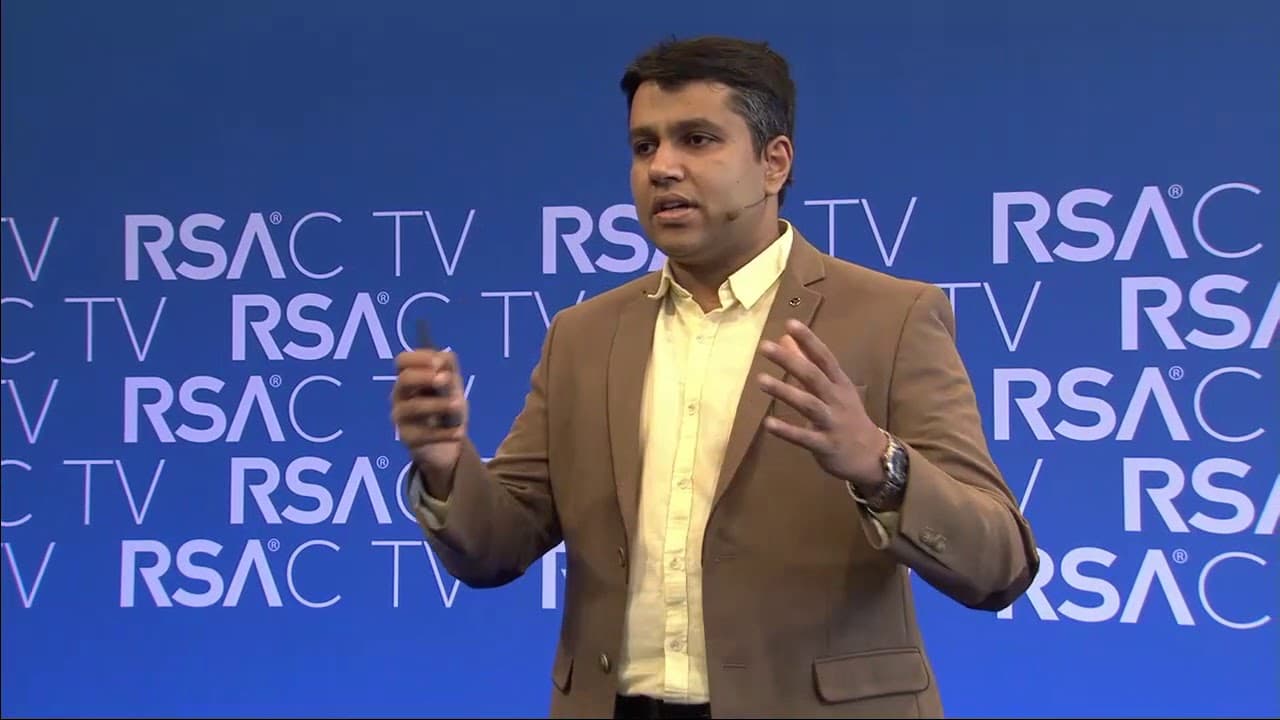
Welcome to RSA. My name is Yogesh Badve. I'm the Director of Security at Okta, responsible for Okta's, uh, prevention, detection, and response strategy. And today, we are going to talk about what things to keep in mind before launching your bug bounty program. We are also going to derive some insight from some of the data we have collected over the... Read More
Key Insights
- A bug bounty program is easy to launch but difficult to make measurably valuable. Formal goals, deliberate strategies, and tracked metrics are necessary to direct investments, judge outcomes, and distinguish program activity from meaningful security results.
- Program goals can include external validation of internal security work, augmentation of a small security team, lower bug-discovery costs, or a disclosure channel for researchers. Defining these goals at the beginning focuses later decisions and enables success or failure to be measured.
- Public programs can produce more valid submissions than private programs when researcher counts and program duration are held constant. They also generate more total submissions and false positives, creating additional review work for the internal team.
- Private programs can achieve throughput comparable to public programs with less noise when the organization invests time and effort in generating researcher activity. This approach is harder for small companies or organizations without a well-known brand or product.
- Impactful reports were more common in Okta's public program comparison, using payout amount as the primary indicator of impact. Valid-report counts alone can misrepresent value because a program may receive many valid but low-severity findings.
- Submission volume showed negligible sensitivity to increases in the upper payout limit. Even raising Okta's upper bound by a multiple of three or more did not produce twice as many valid submissions, so organizations need not imitate larger companies' maximum rewards.
- Submission volume was much more sensitive to the lower payout bound, but increasing minimum rewards can mean paying more for low-severity findings. The payout range should remain respectful while balancing researcher participation, severity, and program economics.
- Bug bounty participation does not translate directly into employee headcount. Okta estimated testing effort by combining backend activity logs, researcher surveys, and program metadata, finding more total testing through the public program but greater valid-submission efficiency through the private program.
Install to Summarize YouTube Videos and Get Transcripts
Explore YouTube Video Summarizer or Get YouTube Transcript Extractor
Questions & Answers
Q: How do you build a valuable bug bounty program?
Start by formalizing what the program must accomplish, such as external validation, resource augmentation, cost savings, or a disclosure channel. Then select strategies, including public or private access and payout levels, that support those goals. Before launch, establish vulnerability management, secure internal buy-in, publish clear testing rules, and define metrics that can measure success or failure.
Q: Should a bug bounty program be public or private?
A public program may be preferable when the organization wants more researcher activity and can tolerate the review burden created by false positives. A private program can deliver comparable throughput with less noise, but only if the organization invests in generating researcher participation. Brand recognition also matters because smaller or less familiar companies may struggle to create sufficient activity privately.
Q: Why do public bug bounty programs create more noise?
Okta observed more total submissions in its public program than in its private program while keeping researcher counts and duration the same. Although the public model produced more valid findings, its larger total also included many more false positives. That noise consumes internal man-hours because the security team must review and distinguish useful reports from invalid ones.
Q: Can a private bug bounty program match public program throughput?
A private program can achieve the same submission throughput with substantially less noise, according to Okta's analysis of average submission rates and total reports. Reaching that result requires active investment in creating interest and activity among invited researchers. It may be difficult for smaller organizations or companies whose brands and products are not well known to researchers.
Q: How should bug bounty payout ranges be set?
Set a respectful payout range that supports the program's goals without copying the maximum rewards offered by larger companies. Okta found that raising the upper bound by a multiple of three or more had negligible effects on submission counts and did not double valid reports. The lower bound influenced submissions more strongly, but higher minimums can increase spending on low-severity findings.
Q: What must be prepared before launching a bug bounty program?
A working vulnerability management process must exist so internal teams can fix reported issues promptly. The program also needs support from engineering, site operations, marketing, public relations, and legal teams because it may affect each group. Its landing page should clearly direct permitted testing, and metrics should be defined early because historical data cannot easily be recreated later.
Q: How can bug bounty resource augmentation be measured?
Researcher registrations should not be treated as equivalent to headcount. Okta combined backend logs showing researcher testing activity, multiple surveys about researcher behavior and methods, and program metadata such as program type and valid submissions. It used those inputs to estimate average testing time, total testing hours, and the relative headcount value provided by public and private programs.
Q: Are bug bounty programs cheaper than internal or consulting options?
Okta estimated that finding bugs through its program cost about $25 per researcher testing hour, which was cheaper for its environment than expanding the internal team or outsourcing to local or offshore consulting firms. The calculation did not account for differences in report quality or researcher quality, and the result depends on organizational maturity, researcher participation, and the impact of submissions.
Summary & Key Takeaways
-
A valuable bug bounty program begins with formal goals, such as external security validation, resource augmentation, cost savings, or establishing a disclosure channel. Those goals guide decisions about program visibility, payouts, researcher engagement, and metrics, while providing a basis for evaluating whether the program succeeds or fails.
-
Public programs generated more valid reports and more impactful submissions in Okta's comparisons, but they also produced substantially more total reports and false-positive noise. Private programs could achieve similar throughput with less noise when the organization actively generated researcher interest, although that approach can be difficult for smaller or unfamiliar companies.
-
Before launch, organizations need a functioning vulnerability management process, internal support across affected teams, clear testing rules, and metrics defined early. Okta estimated its bug-finding cost at about $25 per researcher testing hour, but emphasized that this result depended on its environment, participation level, and report characteristics.
Read in Other Languages (beta)
Share This Summary 📚
Summarize YouTube Videos and Get Video Transcripts with 1-Click
Try YouTube Summary with ChatGPT & Claude or YouTube Transcript Generator
Explore More Summaries from RSAC Cybersecurity 📚


Summarize YouTube Videos and Get Video Transcripts with 1-Click
Try YouTube Summary with ChatGPT & Claude or YouTube Transcript Generator