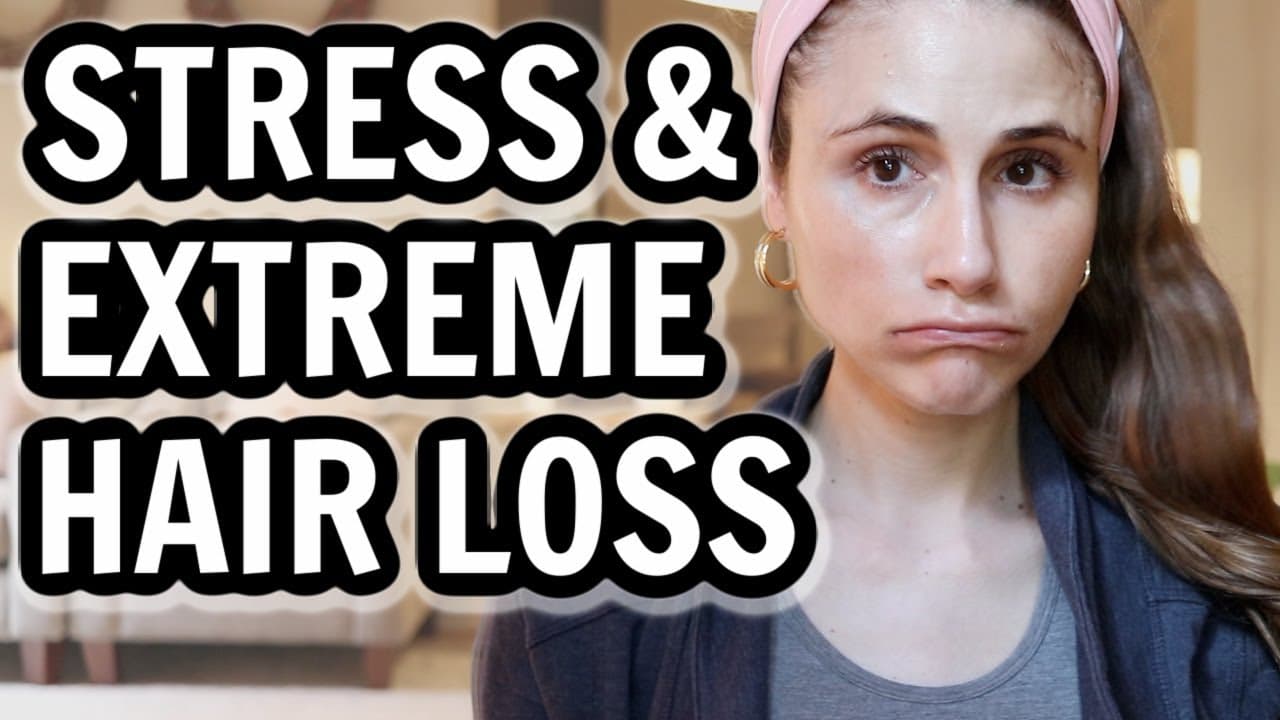
Tips for EXTREME HAIR LOSS from STRESS Dr Dray
TL;DR
Extreme stress, both physical and emotional, can trigger hair loss known as telogen effluvium. Taking care of your overall health, including nutrition, hair care practices, and mental well-being, can help prevent and manage hair shedding.
Transcript
well hey guys in today's video i'm going to be talking all about extreme stress and hair loss i know this is something a lot of you guys are dealing with right now what with everything going on plus the stress of the holidays it's so easy to get run down and that can lead you down a path of hair loss and hair shedding now you all know a little hack... Read More
Key Insights
- 👱 Telogen effluvium is a form of hair loss triggered by extreme physical or emotional stress.
- ❓ Stressful events such as divorce, illness, crash diets, surgery, and medication can cause telogen effluvium.
- 👱 Telogen effluvium leads to a more massive shedding of hair, but hair density usually returns to normal after about six months.
Install to Summarize YouTube Videos and Get Transcripts
Explore YouTube Video Summarizer or Get YouTube Transcript Extractor
Questions & Answers
Q: What causes telogen effluvium?
Telogen effluvium can be triggered by severe emotional stress, viral illnesses, crash diets, surgery, certain medications, and intense physical activity.
Q: How long does telogen effluvium last?
Telogen effluvium typically lasts about six months, with shedding reducing gradually during this period. Hair growth rate is slow, around half an inch per month.
Q: Can telogen effluvium lead to baldness?
Telogen effluvium does not lead to baldness in the majority of cases. However, it can uncover underlying hair loss processes. In some cases, telogen effluvium can become chronic.
Q: How can telogen effluvium be prevented?
While you cannot prevent telogen effluvium once it has been triggered, taking care of your overall health, including nutrition, avoiding heat styling and chemical treatments, and maintaining good emotional well-being, can help prevent excessive hair shedding.
Summary & Key Takeaways
-
Extreme physical and emotional stress can cause telogen effluvium, resulting in excessive hair shedding.
-
Common triggers for telogen effluvium include severe emotional stress, viral illnesses, crash diets, and surgery.
-
Telogen effluvium usually occurs about three months after a stressful event, causing diffuse hair loss, but hair density typically returns to normal after about six months.
Read in Other Languages (beta)
Share This Summary 📚
Summarize YouTube Videos and Get Video Transcripts with 1-Click
Try YouTube Summary with ChatGPT & Claude or YouTube Transcript Generator
Explore More Summaries from Dr Dray 📚





Summarize YouTube Videos and Get Video Transcripts with 1-Click
Try YouTube Summary with ChatGPT & Claude or YouTube Transcript Generator