Why Do Some People Struggle to Make Friends?
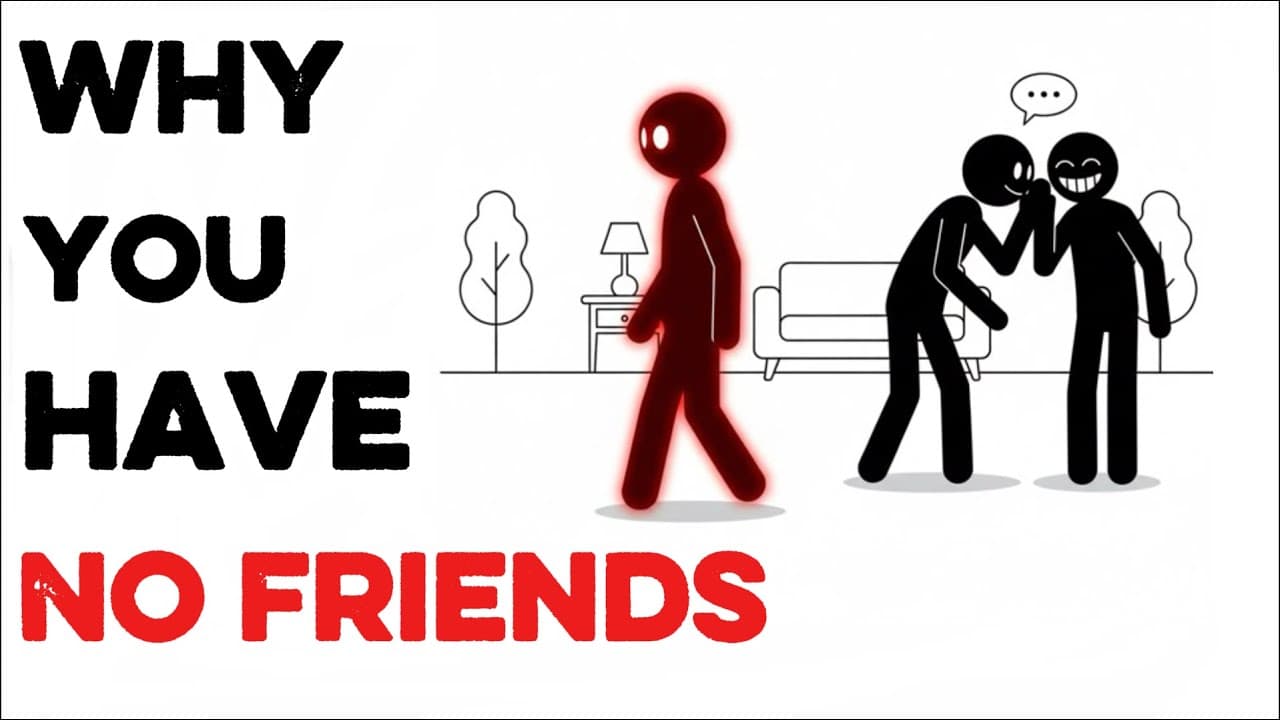
TL;DR
Difficulty making friends can reflect a preference for authenticity, meaningful conversation, and carefully earned trust rather than a personal defect. Overthinking, past rejection, fear of judgment, social exhaustion, and feeling misunderstood can make connection harder, while independence and a rich inner world may lead to fewer but more meaningful friendships.
Transcript
Psychology says people who don't have friends are often misunderstood, not broken, not awkward, and definitely not the problem. The truth is, social life can feel heavier, more exhausting, [music] and more complicated than it does for most people. If you've spent years struggling to build or maintain friendships, it's not because something is wrong... Read More
Key Insights
- A low tolerance for perceived insincerity can keep a social circle small. People who quickly notice gossip, manipulation, hidden agendas, or dishonest behavior may choose solitude because protecting their peace and emotional energy matters more than participating in relationships that feel fake.
- A desire for meaningful connection can make small talk feel draining or unrewarding. People seeking conversations about ideas, feelings, purpose, and dreams may feel invisible even in crowded rooms because casual interaction does not provide the depth or sense of belonging they want.
- Overthinking can turn ordinary social interaction into an exhausting evaluation. Replaying conversations, monitoring impressions, and analyzing tones, gestures, and expressions creates pressure that interferes with relaxation, even when the person genuinely wants friendship and is not intentionally avoiding other people.
- Social incongruence is described as a mismatch between a person's personality and the surrounding environment. Differences in humor, interests, or thinking style can create a lasting expectation of being misunderstood, leading someone to choose distance instead of risking another unsuccessful attempt at connection.
- Independence can reduce reliance on external validation and constant social attention. People who comfortably entertain themselves, solve problems alone, and trust their internal judgment may wait for compatible friends instead of changing themselves merely to gain acceptance or fit into a group.
- Past rejection can make caution a protective response. Childhood exclusion, betrayal, or relationships with people who did not show appreciation may lead someone to hesitate, withdraw, and observe carefully before allowing another person into their private life or offering trust.
- Social interaction can deplete energy when the nervous system is processing tone, body language, context, and emotion simultaneously. For people with a rapidly draining social battery, time alone is presented as essential recovery rather than proof that they dislike connection.
- Fear of negative evaluation can prevent desired connection. Pressure to appear funny, confident, likable, or perfect may cause someone to freeze or withdraw because avoiding embarrassment, rejection, and exposed vulnerability feels safer than taking an uncertain social risk.
Install to Summarize YouTube Videos and Get Transcripts
Explore YouTube Video Summarizer or Get YouTube Transcript Extractor
Questions & Answers
Q: Why do some people struggle to make friends?
Some people struggle to make friends because they seek authenticity and meaningful connection while finding shallow conversation, perceived dishonesty, or social performance exhausting. Overthinking, feeling different, past rejection, fear of judgment, and rapidly depleted social energy can also encourage withdrawal. The source frames these patterns as understandable psychological barriers and preferences, not evidence that the person is broken or inherently unlikeable.
Q: Why can small talk make friendship feel difficult?
Small talk can feel difficult when a person wants conversations about ideas, emotions, life purpose, and dreams. Casual exchanges may consume energy without creating the depth or belonging that person seeks. As a result, someone can feel invisible even while surrounded by others. Silence or solitude may then seem safer and more satisfying than pretending that a shallow interaction feels meaningful.
Q: How does overthinking affect social interactions?
Overthinking makes social interaction feel like a continuous evaluation rather than a relaxed exchange. A person may analyze what they said, how another person received it, and whether each tone, gesture, or expression signals a problem. They may replay the interaction for hours or days afterward. This pressure can make even casual conversations exhausting and discourage future attempts at friendship.
Q: What does social incongruence mean in friendship?
Social incongruence is described as a mismatch between a person's personality and the environment around them. Their humor, interests, or way of thinking may not align with the people they regularly encounter. Repeatedly feeling different can create an expectation that others will not understand them. The person may consequently choose distance over the risk of another uncomfortable or disappointing interaction.
Q: How can independence influence a person's friendships?
Independence can make a person less dependent on constant approval, attention, or company. Someone who can entertain themselves, solve problems alone, and find comfort in their own thoughts may not accept unsuitable relationships simply to fit in. This can produce a small social circle, but the source presents it as selectivity and internal validation rather than coldness, weakness, or unavoidable loneliness.
Q: Why does past rejection make someone cautious about friendship?
Past rejection can make the mind protective after exclusion, betrayal, or relationships in which the person felt undervalued. Instead of trusting quickly, someone may hesitate, withdraw, and watch how others behave before sharing vulnerable parts of life. This caution does not necessarily mean the person rejects friendship. It can mean that trust now requires stronger evidence and more time to develop.
Q: Why do social interactions drain some people quickly?
Social interactions can drain energy because a person is processing tone, body language, context, and emotion at the same time. Conversations that appear effortless to others may therefore require substantial attention. When the social battery depletes quickly, time alone becomes necessary for recovery. Needing solitude after interaction is presented as a response to social processing demands, not a lack of interest in people.
Q: How does fear of judgment prevent people from making friends?
Fear of judgment creates pressure to appear funny, confident, likable, and socially perfect. That pressure can make someone freeze, stay quiet, or avoid situations where embarrassment and rejection seem possible. The person may want connection but fear exposing a vulnerable side. Withdrawal therefore functions as protection from negative evaluation, even though it also limits opportunities to build the friendship they desire.
Summary & Key Takeaways
-
People who struggle with friendship may reject gossip, manipulation, shallow conversation, and other behavior they perceive as insincere. They value emotional peace and authentic connection, so they often prefer solitude to relationships that require pretending. Their smaller social circles can therefore reflect selectivity rather than dislike of other people.
-
Social situations can become exhausting when a person analyzes every word, tone, gesture, expression, and possible judgment. Feeling different from the surrounding group may reinforce the expectation of being misunderstood. Past exclusion or betrayal can add caution, causing the person to observe others carefully before risking vulnerability or granting trust.
-
Independence and a rich inner world can reduce the need for constant attention or approval. Alone time provides necessary recovery when social interaction drains energy quickly. Although these traits may delay friendship, the resulting relationships can be unusually meaningful and lasting because they are built on depth, authenticity, loyalty, and carefully established trust.
Read in Other Languages (beta)
Share This Summary 📚
Summarize YouTube Videos and Get Video Transcripts with 1-Click
Try YouTube Summary with ChatGPT & Claude or YouTube Transcript Generator