How Can You Quit Your Job and Make Money Doing What You Love? Escape the Matrix
TL;DR
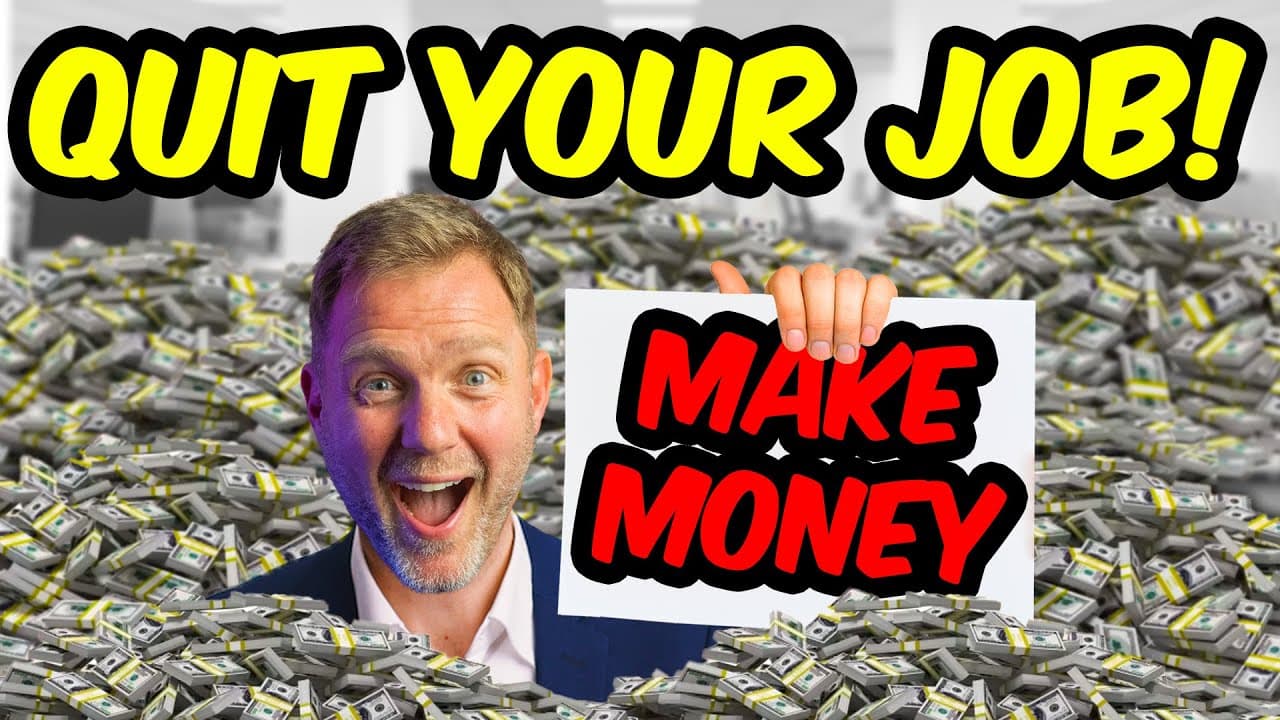
To quit your job and make money doing what you love, define the dream, estimate its cost, break it into small steps, and shape it into a sustainable business model. One aspiring cocktail-bar owner estimates needing £100,000 and is encouraged to list 100 steps toward opening within a year, while a catering manager receives £100 for his first client. Read on for practical examples of turning purpose into paid work.
Transcript
do you hate your job today we're going to find you and help you unplug from the system and start a business you love excuse me do you love your job um actually I do yeah if money was no object and you could do anything what would you do it would be a bartender love making cocktails it's only got that Tom Cruise Vibe cocktails you know the movie you... Read More
Key Insights
- 🥺 Pursuing passion and turning dreams into business ventures can lead to greater job satisfaction.
- 🧑🏭 Acts of kindness can bring about positive change and improve the overall well-being of individuals.
- 🍉 Finding purpose and aligning it with one's career choices is essential for long-term job satisfaction.
- 🤩 Money alone does not guarantee job satisfaction; finding fulfillment through work is key.
- 👨💼 Business ideas can be evolved and adapted to meet future technological advancements.
- 👨💼 Making sustainable business models requires breaking down goals into manageable steps.
- 🥳 Small acts of kindness can make a significant difference in someone's day.
Install to Summarize YouTube Videos and Get Transcripts
Explore YouTube Video Summarizer or Get YouTube Transcript Extractor
Questions & Answers
Q: How can you quit your job and make money doing what you love?
Start by identifying what you would do if money were no object, then determine how it could become a sustainable business. The transcript recommends estimating the required funding, dividing the goal into small steps, and being ready to serve a first paying client.
Q: How can a dream be turned into a sustainable business model?
Clarify the dream, identify who might pay for it, and evolve the idea around a real need. The aspiring lifelong student, Kian, is encouraged to consider how future AI and technology could require human knowledge and potentially support his idea.
Q: What steps are suggested for opening a cocktail bar?
The aspiring bartender estimates that opening a cocktail bar would require about £100,000. He is advised to write a list of 100 small steps, with the suggestion that following them could help him open it by the same time next year.
Q: How does the catering manager begin working toward his own business?
The catering manager says he would open his own catering business if money were no object, but funding is the obstacle. He receives £100 and a commitment from the speaker to become his first catering client, giving the dream an immediate starting point.
Q: What does the children’s charity worker reveal about job satisfaction?
The nonprofit children’s charity worker says he loves his job and would continue doing it even if he had all the money in the world. The speaker describes this as freedom because the man is already doing exactly what he loves.
Q: Why is having a clear purpose important before leaving a job?
A clear purpose helps determine what business, enterprise, or mission to pursue instead. When a finance student cannot immediately name his purpose, he is encouraged to think about it for 24 hours and use his finance skills for good.
Q: What example shows that someone can complete a childhood career dream?
Bob says that, as a 10-year-old, he wanted to join the police. He later became a police officer and served for 30 years, meaning he achieved the career he had imagined as a child.
Q: How does the transcript illustrate kindness as a meaningful mission?
One person identifies greater kindness as a problem she would like to address. The speaker demonstrates a small act of kindness by giving her £20 for lunch and encouraging her to promote kindness if she becomes wealthy.
Summary & Key Takeaways
-
Several individuals are interviewed about their current jobs and their dreams if money were no object.
-
The importance of turning dreams into sustainable business models is discussed.
-
Acts of kindness and making a positive impact on the world are highlighted.
Read in Other Languages (beta)
Share This Summary 📚
Summarize YouTube Videos and Get Video Transcripts with 1-Click
Try YouTube Summary with ChatGPT & Claude or YouTube Transcript Generator
Explore More Summaries from Simon Squibb 📚

Summarize YouTube Videos and Get Video Transcripts with 1-Click
Try YouTube Summary with ChatGPT & Claude or YouTube Transcript Generator