What Makes Sensitive Minds So Lonely and Why?
TL;DR
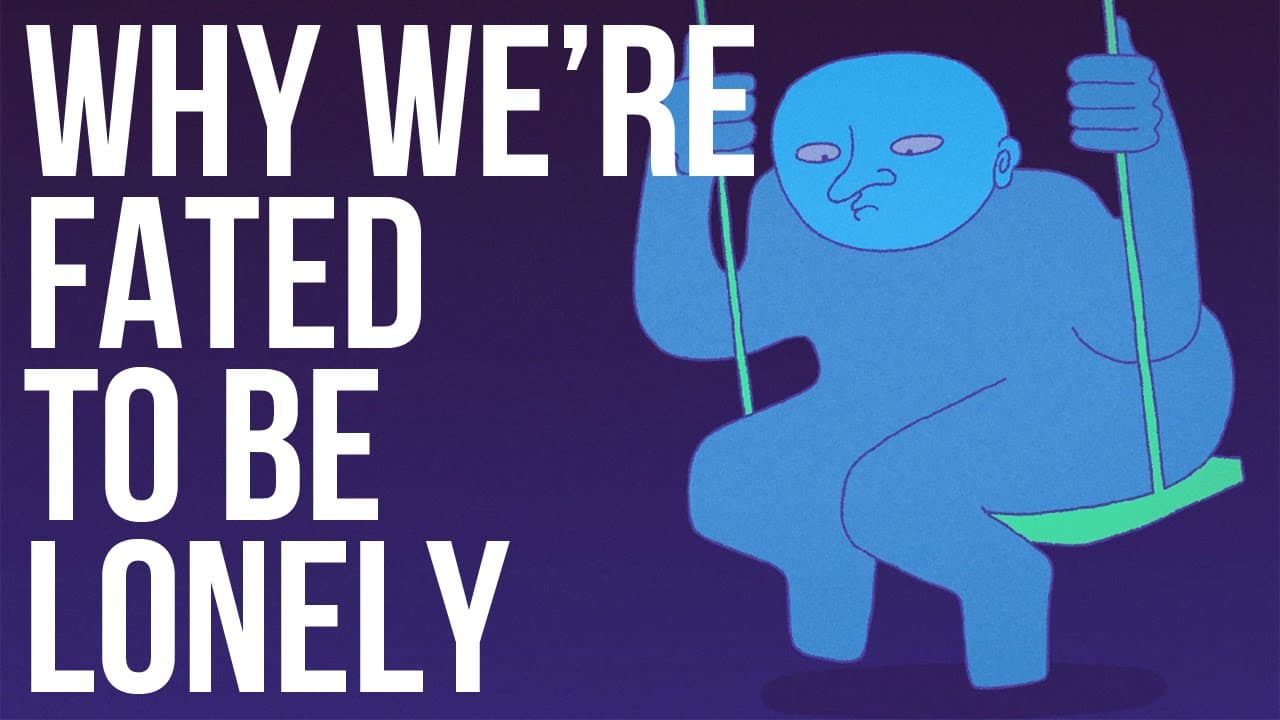
Loneliness is a built in feature of being highly perceptive, not a flaw. The video argues that sensitive minds feel isolated because others cannot fully share or understand their inner experiences, creating distance. This separation, however, can fuel creativity, art, and deeper personal growth that leads to more meaningful bonds later on.
Transcript
Why we're fated to be lonely (but that's ok) There are few more shameful confesions to make than that we are lonely. The basic assumption is that no respectable person could ever feel isolated unless maybe they just moved country or been widowed. Yet in truth a high degree of loneliness is an inexorable part of being a sensitive, intelligent human.... Read More
Key Insights
- Loneliness is a built in feature of a complex mind, not a defect.
- The fault lines of connection come from misaligned experiences and incompatible rhythms.
- Honesty may conflict with societal acceptability, increasing perceived loneliness.
- Creative output can emerge from loneliness, acting as a substitute for direct connection.
- The history of art shows people used loneliness to express intimate truths.
- Loneliness can heighten self conversation and personal depth.
- Finding even one person who truly understands is rare but possible.
- Enduring loneliness is often preferable to false, shallow community.
Install to Summarize YouTube Videos and Get Transcripts
Explore YouTube Video Summarizer or Get YouTube Transcript Extractor
Questions & Answers
Q: How can someone use loneliness to fuel creativity and self expression?
Loneliness can push a person to channel inner experiences into creative forms such as writing, poetry, music, or blogs. By addressing the gap between internal reality and external conversation, they develop a stronger personal voice and a code of intimacy that can resonate with others who feel similarly isolated. This process creates meaningful, enduring work.
Q: Why is loneliness described as a normal consequence of being highly perceptive?
The video argues that highly perceptive individuals inevitably encounter ongoing differences with others due to divergent life timings, family backgrounds, and mental fabrics. These differences limit shared understanding, making sustained deep connection unlikely, and thus loneliness becomes an expected outcome rather than a failure, a sign of depth and individuality.
Q: What role does societal acceptability play in loneliness?
Societal expectations often favor pleasant, transferable topics and discourage revealing disturbing or deeply unusual thoughts. This pressure increases loneliness for thoughtful individuals because their authentic experiences cannot be comfortably shared without risking judgment, leading to more internal reflection and a sense of alienation from the surrounding social norms.
Q: Can loneliness ever be beneficial, according to the video?
Yes, loneliness can prompt personal growth and richer inner life. It sharpens one’s sense of self, builds a more distinct viewpoint, and prepares individuals to form closer, more meaningful bonds when those rare connections finally occur. Enduring loneliness thus becomes a pathway to greater authenticity and depth.
Q: How does loneliness relate to the desire for connection after cinema or daily life?
The video notes that even when drawn to others, people may not share the exact same frame of reference, leading to moments of misalignment or banal details interrupting idealized connection. This persistent mismatch reinforces loneliness but also highlights why truly deep connection remains rare and valuable.
Q: What does Goethe’s quote about misunderstanding have to do with loneliness?
Goethe’s lines illustrate a historical acknowledgement that complete understanding between people is rarely possible, reinforcing the idea that loneliness is a natural state rather than a failing. This perspective can liberate individuals from blaming themselves for not finding perfect companionship and encourage accepting distance as part of human life.
Q: How might one cope with loneliness without settling for false connection?
Coping involves accepting the distance as a feature of life, cultivating personal projects, and trusting that future connections may be deeper. By engaging in creative acts, literature, or art, a person can maintain dignity and purpose while remaining open to genuinely compatible relationships that may arise later.
Q: What is the paradox at the heart of loneliness and longing for congruence?
The paradox is that longing for perfect alignment often clashes with the reality that people come from different backgrounds and times. Accepting this misalignment allows loneliness to coexist with a sense of potential rather than despair, enabling individuals to pursue meaningful, albeit imperfect, connections and creative fulfillment.
Summary & Key Takeaways
-
Loneliness is portrayed as a basic, not abnormal, feature of complex minds, and accepting it can reduce shame.
-
Loneliness drives creative expression, poetry, and art as a form of intimate communication beyond ordinary conversation.
-
Loneliness can lead to deeper future connections, as enduring solitude sharpens unique viewpoints and personal growth.
Read in Other Languages (beta)
Share This Summary 📚
Summarize YouTube Videos and Get Video Transcripts with 1-Click
Try YouTube Summary with ChatGPT & Claude or YouTube Transcript Generator