How Hip-Hop Mourns Loss and Debates Tidal
TL;DR
Chinx Drugs is remembered as a widely loved New York rapper whose death at age 31 deeply affected friends, artists, and the broader hip-hop community. The discussion then examines Jay-Z's B-Sides freestyle, questioning whether his references to racism and public tragedies genuinely supported his argument about Tidal or mainly served as damage control for the streaming service.
Transcript
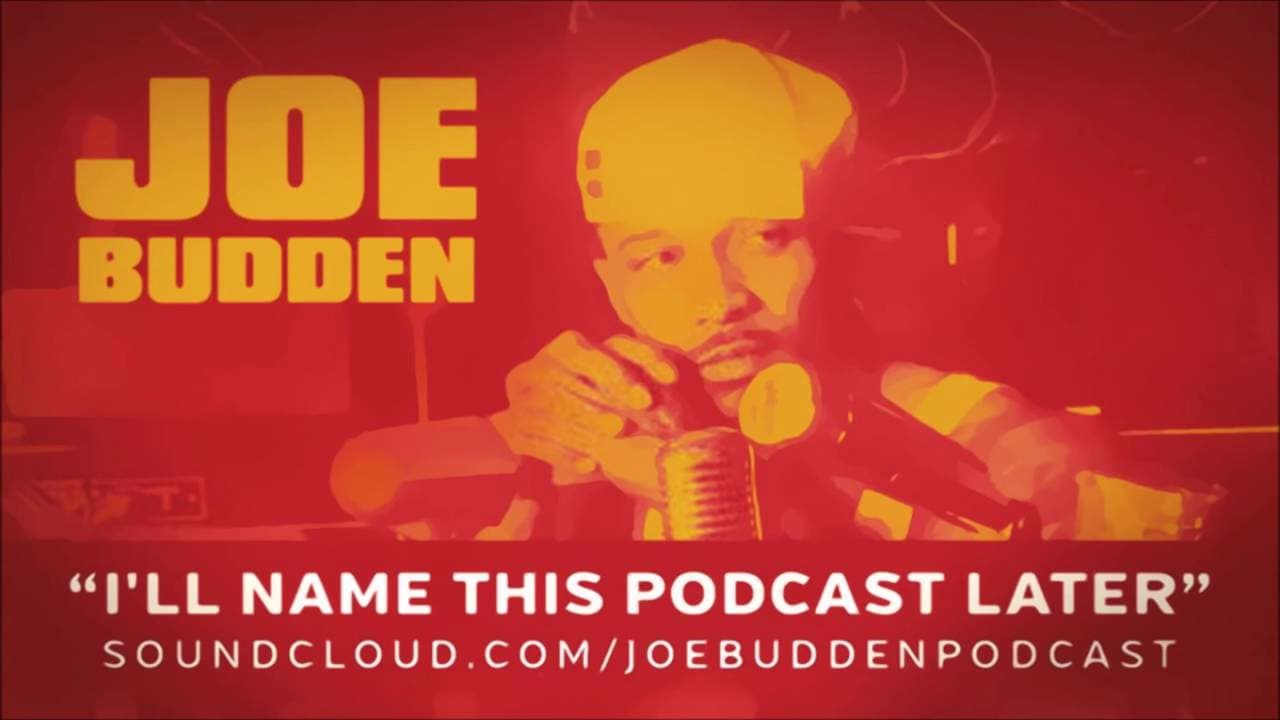
I will name this podcast later. There's actually no will in it. I'll name this podcast later, episode 14, I'm assuming. Yep. Look at me, didn't have to ask this time. You still low-key asked. Uh, shut the fuck up, Marissa. Are you confirmed? Uh, with my co-hosts, I'm assuming Rory is a co-host now- Yeah ... because he just keeps coming. Uh. Rory- S... Read More
Key Insights
- Chinx Drugs is presented as more than a member of French Montana's circle. His history with Riot Squad, close bond with Stack Bundles, solo records, New York relationships, and persistence after incarceration formed an identity and career that preceded his later association with French.
- Chinx Drugs was 31 years old when he was killed, and the hosts describe widespread grief throughout New York. Their reactions emphasize how sudden death remains shocking even when mortality is understood intellectually, especially when someone was recently present within the same close professional and social community.
- The account connecting Chinx's death to a refused guest verse is explicitly described as an unverified rumor. Joe repeatedly warns listeners not to treat it as fact, using it only to illustrate his concern that people with little to lose may place dangerously little value on human life.
- Chinx's career is described as a story of persistence after major setbacks. He was incarcerated while Stack Bundles gained wider attention, remained behind bars when Stack died, rebuilt his momentum after release, connected with French Montana, and was reportedly preparing an album after recently securing an official deal.
- Chinx is remembered as a genuine person who treated people consistently across status levels. Marisa says he could speak respectfully with a janitor, a radio programming director, or Diddy, which helps explain why people across New York hip-hop responded to his death as a shared personal loss.
- Jay-Z's B-Sides freestyle is interpreted as containing both social commentary and advocacy for Tidal. The hosts disagree about whether references to Freddie Gray, Mike Brown, competitors, and a supposed smear campaign created a meaningful connection or improperly combined public tragedies with a private business agenda.
- Business competition is Joe's central explanation for criticism directed at Tidal. He argues that streaming is lucrative, so established competitors would naturally challenge a new entrant, regardless of its owner's race, and that an experienced businessman should have anticipated resistance during the service's early months.
- Product quality is presented as the missing element in Jay-Z's comparisons with Apple and Nike. Joe argues that consumers bought iPhones and sneakers because many considered them the best available products, while Tidal had not yet earned that reputation and should not expect equivalent support during its infancy.
Install to Summarize YouTube Videos and Get Transcripts
Explore YouTube Video Summarizer or Get YouTube Transcript Extractor
Questions & Answers
Q: Who was Chinx Drugs according to the podcast discussion?
Chinx Drugs was a New York rapper with roots in Riot Squad and a close relationship with Stack Bundles. Although he later became closely associated with French Montana and Coke Boys, the hosts argue that defining him only through that connection overlooks his earlier history, solo music, industry relationships, persistence after incarceration, and strong standing within New York's hip-hop community.
Q: Why did Chinx Drugs' death affect New York hip-hop so deeply?
His death affected the community because he was widely known, personally connected with many artists and industry workers, and regarded as a genuinely good person. The hosts describe an extensive outpouring of social media posts and musical tributes. Even people who did not know him closely felt that New York hip-hop had lost one of its own.
Q: What did the hosts say about the rumored motive for Chinx Drugs' killing?
Joe recounts hearing a claim that someone from Chinx's neighborhood wanted a verse and killed him after he refused, but he repeatedly states that he does not know whether the story is true. The claim is presented only as street talk, not an established fact, and should not be repeated as a confirmed explanation for the killing.
Q: How did Chinx Drugs rebuild his music career after incarceration?
The discussion says Chinx was incarcerated while Stack Bundles began receiving mainstream attention and remained behind bars when Stack died in June 2007. After his release, Chinx continued pursuing music, connected with French Montana, and revived his momentum. Marisa also reports hearing from industry contacts that he had recently secured an official deal and was working on an album.
Q: How did other artists respond to Chinx Drugs' death?
The hosts mention records or tributes from Meek Mill, Maino, Red Cafe, and Fabolous, along with a public acknowledgment from Jay-Z during his B-Sides concert. They also describe widespread Instagram messages from people across New York. These responses are presented as evidence of Chinx's extensive relationships and the affection he inspired throughout the hip-hop community.
Q: What was debated about Jay-Z's B-Sides freestyle?
The hosts debate whether Jay-Z effectively connected racial injustice with criticism of Tidal or used serious public tragedies to advance his business interests. One interpretation is that he was arguing that the same demographic faces multiple forms of targeting. Another is that mentioning Freddie Gray and Mike Brown alongside streaming competitors made the freestyle feel like damage control.
Q: Why did Joe Budden reject race as the main explanation for criticism of Tidal?
Joe acknowledges that racism remains real and prevalent, but he does not believe it necessarily explains the criticism facing Tidal. He argues that streaming is a lucrative business and that established competitors would naturally try to weaken a new entrant. From his perspective, aggressive opposition was predictable business behavior that Jay-Z should have anticipated from his career experience.
Q: Why did Joe Budden compare Tidal with iPhones and Nike sneakers?
Joe uses the comparison to challenge Jay-Z's suggestion that consumers supported Steve Jobs and Phil Knight but were not similarly supporting Tidal. He argues that many people considered the iPhone and Nike sneakers the best products available, while Tidal had not earned that reputation. He also notes that a service in its fourth month should still be considered in its infancy.
Summary & Key Takeaways
-
Joe Budden, Marisa Mendez, and Rory begin on a somber note by mourning Chinx Drugs, a Riot Squad rapper closely associated with Stack Bundles and later French Montana. They emphasize his independent history, genuine character, New York connections, and continued career momentum, while extending condolences to his family, friends, and collaborators.
-
The hosts describe the emotional response across New York hip-hop, including social media tributes, commemorative records, and Jay-Z's acknowledgment at his B-Sides concert. They reflect on death's finality and the eerie similarity to Stack Bundles' earlier death, while carefully labeling one circulating account about Chinx's killing as an unverified street rumor.
-
The conversation shifts to Jay-Z's freestyle and its defense of Tidal. The group debates whether connecting racial injustice, competitor criticism, and Tidal's business struggles was persuasive or self-serving. Joe argues that established products earned consumer support and that aggressive competition against a new streaming entrant should have been anticipated rather than treated as surprising oppression.
Read in Other Languages (beta)
Share This Summary 📚
Summarize YouTube Videos and Get Video Transcripts with 1-Click
Try YouTube Summary with ChatGPT & Claude or YouTube Transcript Generator
Explore More Summaries from Joe Budden TV 📚
Summarize YouTube Videos and Get Video Transcripts with 1-Click
Try YouTube Summary with ChatGPT & Claude or YouTube Transcript Generator