What Was the Indian Reorganization Act of 1934?
TL;DR
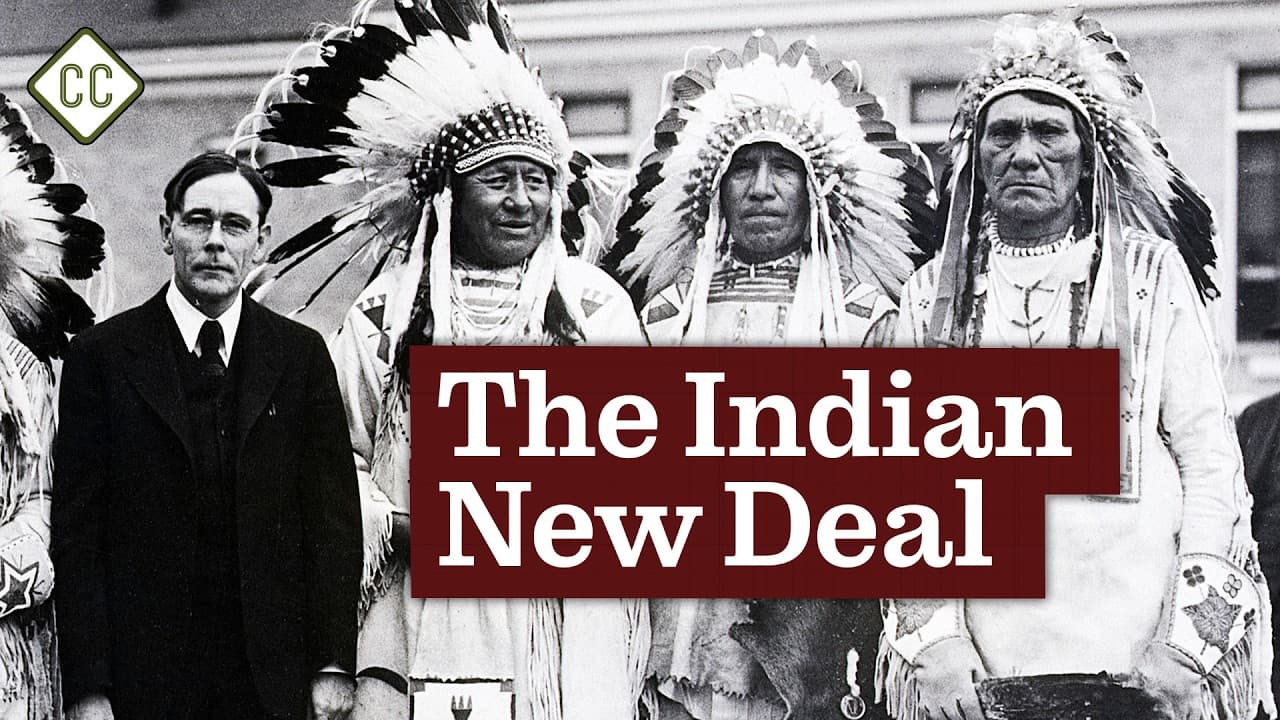
The Indian Reorganization Act (IRA) of 1934 aimed to reverse previous U.S. policies that assimilated Native Americans and restore tribal self-governance. While it was a turning point for Native American rights, its implementation was flawed, leading to mixed outcomes. Some tribes regained land and autonomy, while others experienced cultural loss and continued federal oversight.
Transcript
The land was dying. In the early 1930s, millions of acres of Navajo land were at risk of erosion because of overgrazing by livestock. So John Collier, the commissioner of the U.S. Bureau of Indian Affairs, advocated for its conservation. Sounds like a solid ally move. Except… it wasn’t exactly. In a rush to save the land and use available governm... Read More
Key Insights
- The Indian Reorganization Act of 1934 aimed to restore tribal self-governance and reverse assimilation policies.
- The Meriam Report of 1928 highlighted the negative impacts of the Dawes Act, prompting legislative change.
- The IRA allowed tribes to adopt their own constitutions and form tribal councils for self-governance.
- Only about 40% of eligible tribal members participated in voting on the IRA, leading to varied adoption.
- Some tribes, like the Utes, experienced cultural loss despite economic gains under the IRA.
- The IRA required federal approval for tribal actions, leading to criticism of continued external control.
- The IRA added millions of acres to reservations but only partially restored lands lost during the Allotment Era.
- The legacy of the IRA is debated, with ongoing discussions about its successes and limitations in Native governance.
Install to Summarize YouTube Videos and Get Transcripts
Explore YouTube Video Summarizer or Get YouTube Transcript Extractor
Questions & Answers
Q: What was the purpose of the Indian Reorganization Act of 1934?
The Indian Reorganization Act of 1934 aimed to reverse the assimilation policies of the Dawes Act by restoring tribal self-governance and providing tribes with the ability to adopt their own constitutions and form tribal councils. It sought to empower Native American tribes by recognizing their sovereignty and ending the practice of land allotment, thus enabling tribes to regain control over their lands and resources.
Q: How did the Meriam Report influence the Indian Reorganization Act?
The Meriam Report of 1928 was a comprehensive survey that highlighted the detrimental effects of the Dawes Act on Native Americans, including economic hardship, inadequate healthcare, and poor education. Its findings shocked policymakers and prompted the U.S. government to reconsider its policies towards Native Americans, ultimately leading to the creation of the Indian Reorganization Act, which sought to address these issues by restoring tribal self-governance and improving living conditions.
Q: What were the main criticisms of the Indian Reorganization Act?
Critics of the Indian Reorganization Act pointed to its requirement for federal approval of tribal actions, which perpetuated external control over Native American affairs. Additionally, the act's implementation was inconsistent, with only about 40% of eligible tribal members participating in its adoption. Some tribes experienced cultural loss despite economic gains, and the federal government only partially restored lands lost during the Allotment Era, leading to ongoing debates about the act's effectiveness.
Q: How did the Indian Reorganization Act affect the Ute tribes of Colorado?
The Ute tribes of Colorado initially benefited from the Indian Reorganization Act by regaining 220,000 acres of land with valuable resources, leading to economic improvements. However, this economic success came at a cultural cost, as the tribes experienced a loss of traditional practices and language. The shift towards American-style governance and lifestyle led to cultural disorientation, contributing to issues like rising alcoholism and depression within the community.
Q: Why did some tribes choose not to adopt the Indian Reorganization Act?
Some tribes chose not to adopt the Indian Reorganization Act due to distrust of the federal government, which had previously harmed them through policies like the Navajo Livestock Reduction. Others had internal political dynamics that made consensus difficult, or they preferred to maintain their traditional governance structures without additional federal oversight. The act's requirement for federal approval of tribal actions also deterred some tribes from participating.
Q: What were the economic impacts of the Indian Reorganization Act on Native American tribes?
The Indian Reorganization Act had mixed economic impacts on Native American tribes. For some, like the Ute tribes, it provided opportunities to regain land with valuable resources, leading to economic improvements through land leases. However, the act's programs were often underfunded, and the federal government only partially restored lands lost during the Allotment Era, limiting the overall economic benefits for many tribes.
Q: How did the Indian Reorganization Act address land issues faced by Native Americans?
The Indian Reorganization Act aimed to address land issues by ending the practice of land allotment and allowing tribes to regain control over their lands. It added millions of acres to existing reservations and pledged to conserve Indigenous lands and resources. However, the federal government only bought back a small fraction of the 90 million acres lost during the Allotment Era, leading to ongoing challenges in fully addressing land restitution for Native Americans.
Q: What is the legacy of the Indian Reorganization Act today?
The legacy of the Indian Reorganization Act today is complex and debated. While it marked a significant shift towards recognizing tribal sovereignty and provided some economic and governance benefits, its implementation was flawed, with continued federal oversight and cultural assimilation concerns. The IRA remains in place, and its impact varies among tribes, with ongoing discussions about its successes and limitations in addressing historical injustices and supporting Native governance.
Summary & Key Takeaways
-
The Indian Reorganization Act (IRA) of 1934 was a landmark legislation aimed at reversing the assimilation policies of the Dawes Act and restoring tribal self-governance. While it allowed tribes to form their own governments and regain some land, the implementation was flawed, with only partial restoration of lands and continued federal oversight.
-
The Meriam Report of 1928 exposed the severe negative impacts of the Dawes Act on Native Americans, leading to the creation of the IRA. However, the IRA's requirement for federal approval of tribal actions led to criticism of continued external control, and only about 40% of eligible tribal members participated in its adoption.
-
The IRA's impact varied among tribes; some, like the Utes, experienced economic benefits but cultural loss, while others, like the Navajo, remained skeptical of federal promises due to past betrayals. The IRA's legacy is complex, with ongoing debates about its effectiveness in addressing historical injustices and supporting Native governance.
Read in Other Languages (beta)
Share This Summary 📚
Summarize YouTube Videos and Get Video Transcripts with 1-Click
Try YouTube Summary with ChatGPT & Claude or YouTube Transcript Generator
Explore More Summaries from CrashCourse 📚





Summarize YouTube Videos and Get Video Transcripts with 1-Click
Try YouTube Summary with ChatGPT & Claude or YouTube Transcript Generator