What Causes Rosacea and How Can You Treat It?
TL;DR
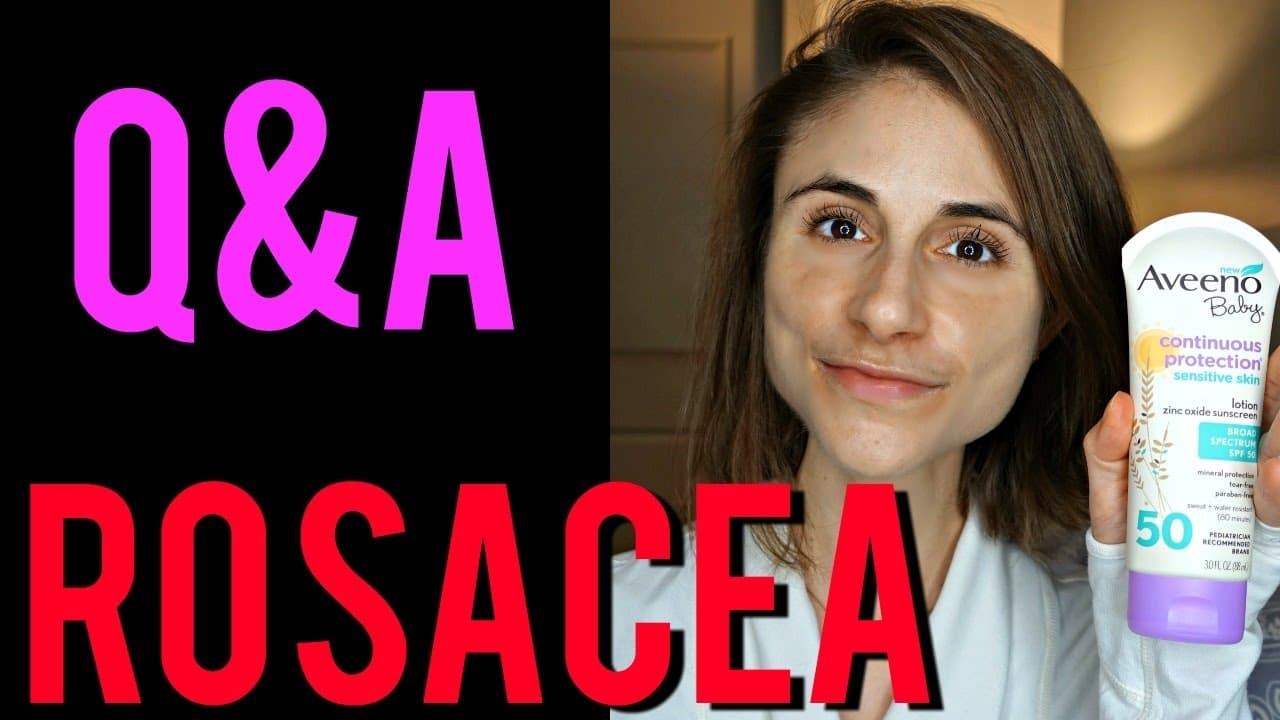
Rosacea is a chronic inflammatory skin condition characterized by persistent redness, flushing, and uneven skin texture. Common triggers include sun exposure, emotional stress, and harsh skincare products. While there is no cure, effective treatments and lifestyle modifications can help manage symptoms, with recommendations for gentle cleansing and using sunscreens containing zinc or titanium dioxide.
Transcript
hey guys welcome back to the Friday Q&A with Dr Dre as you can probably tell already from the title of this video today I'm going to be addressing the most frequently asked questions here on my Channel with regards to what causes rosacea and how to get rid of it if you're new here hi my name is Andrea welcome I'm a dermatologist I post day in the l... Read More
Key Insights
- 😳 Rosacea is a chronic inflammatory skin condition characterized by symptoms like flushing, persistent redness, uneven texture, and dilated blood vessels.
- 😋 Triggers for rosacea include sun exposure, stress, temperature changes, alcohol, spicy foods, and harsh skincare products.
- 😷 While there is no cure for rosacea, medical treatments, lifestyle modifications, and skincare routines can help control symptoms.
- 🩸 Laser therapy is the most effective treatment for dilated blood vessels in rosacea.
- 💦 Antibiotics prescribed for rosacea primarily work to reduce inflammation rather than fight infection.
- ❓ Skincare routines for rosacea should include gentle cleansing, avoiding irritants, using a moisturizer, and applying sunscreen with zinc or titanium dioxide.
- ❓ Certain skincare ingredients like alcohol, fragrances, menthol, and salicylic acid can irritate rosacea-prone skin.
Install to Summarize YouTube Videos and Get Transcripts
Explore YouTube Video Summarizer or Get YouTube Transcript Extractor
Questions & Answers
Q: What causes rosacea?
The exact cause of rosacea is unknown, but factors such as sensitive blood vessels, lifestyle and environmental triggers, irritation, sun exposure, immune and inflammatory responses, and psychological factors can contribute to its development.
Q: How can I identify my rosacea triggers?
Keeping a diary of your rosacea symptoms can help identify triggers. Common triggers include sun exposure, emotional stress, temperature changes, wind, alcohol, spicy foods, heavy exercise, hot baths, heated beverages, and harsh skincare products.
Q: Can allergies be a cause of rosacea?
While allergies are unlikely to be the main cause of rosacea, being sensitized to an allergen and exposed to it can trigger a flare of rosacea by dilating blood vessels in the skin.
Q: How can I be active without worsening my rosacea?
It is best to exercise during cooler times of the day, keep a fan nearby, use a damp cool cloth around your neck, drink cold liquids, and chew ice chips to combat increased heat and potential rosacea flares.
Q: Is there a cure for rosacea?
There is currently no cure for rosacea, but medical treatments, lifestyle modifications, and skincare routines can help control and potentially eliminate its symptoms.
Q: How is rosacea treated?
Treatment options vary based on individual symptoms and may include oral antibiotics for pimple-like lesions, topical creams containing anti-inflammatory ingredients, sulfur-based washes, and prescription medications for reducing redness.
Q: What can be done for dilated blood vessels in rosacea?
Laser therapy called pulse dye laser is the most well-studied treatment for dilated blood vessels. This cosmetic procedure targets and seals off abnormal blood vessels, leading to their eventual involution.
Q: Why are antibiotics prescribed for rosacea?
Antibiotics for rosacea are not primarily used for their antimicrobial effects but rather for their anti-inflammatory properties. They help improve the symptoms of rosacea by reducing inflammation.
Summary & Key Takeaways
-
Rosacea is a chronic inflammatory skin condition that presents with symptoms such as flushing, persistent redness, uneven texture, and dilated blood vessels.
-
Common triggers for rosacea include sun exposure, emotional stress, temperature changes, alcohol, spicy foods, and harsh skincare products.
-
While there is no cure for rosacea, there are various medical treatments, lifestyle modifications, and skincare routines that can help control and manage the symptoms.
Read in Other Languages (beta)
Share This Summary 📚
Summarize YouTube Videos and Get Video Transcripts with 1-Click
Try YouTube Summary with ChatGPT & Claude or YouTube Transcript Generator
Explore More Summaries from Dr Dray 📚
Summarize YouTube Videos and Get Video Transcripts with 1-Click
Try YouTube Summary with ChatGPT & Claude or YouTube Transcript Generator