How Did BMF Rise and Fall as a Drug Organization?
TL;DR
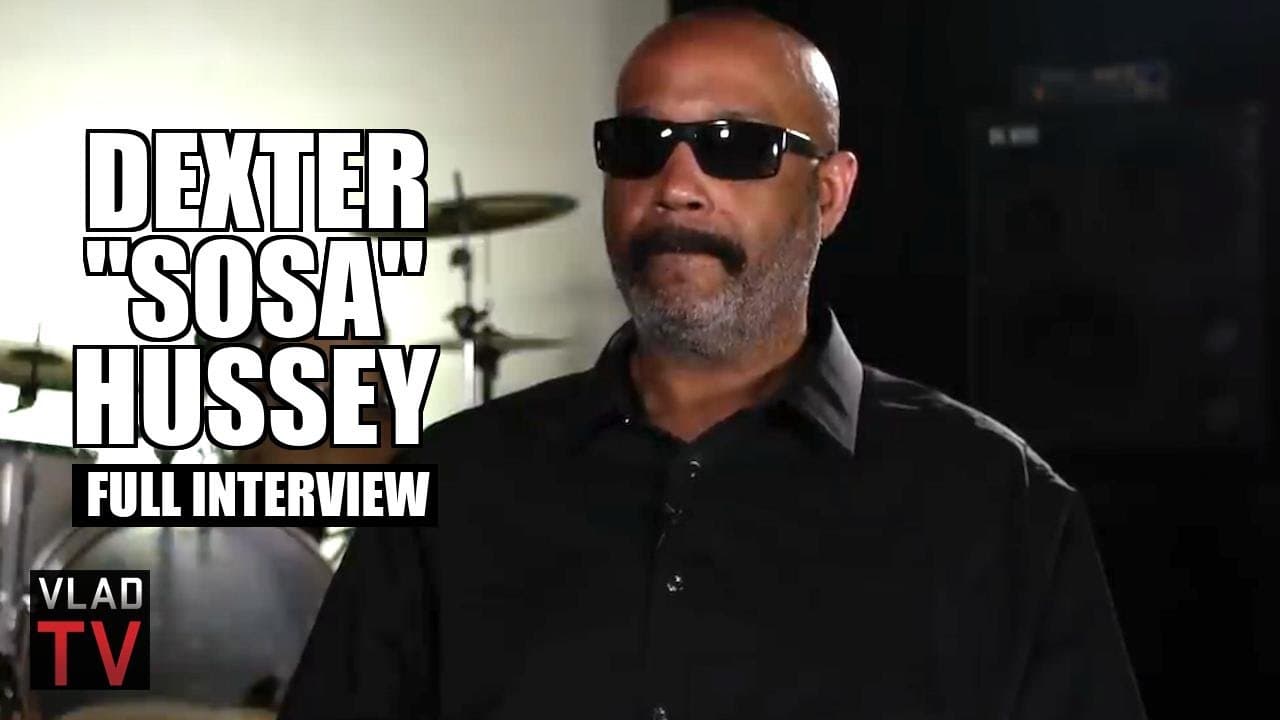
BMF grew from a small Detroit crack operation into a nationwide cocaine trafficking and money-laundering organization, according to former logistics partner Dexter Hussey. Its trajectory involved expanding supplier connections, rising security risks, conflict between Big Meech and Southwest T, increased official scrutiny in Atlanta, and a federal case that sent members and associates to prison.
Transcript
all right here we go we have Dexter Sosa hussy ex-partner of big Meech and Southwest T of BMF aka the Black Mafia family who was actually in charge of the logistics of trafficking hundreds of millions of dollars of cocaine across the country as well as laundering millions of dollars with the cash and now the author of the Black Mafia family the blu... Read More
Key Insights
- Dexter Hussey's entry into the drug business began after he found Big Meech's bag of crack in his sister's room, sold all of it through local contacts, and presented Meech with roughly $7,200 to $7,500 in proceeds.
- The 50 Boys name came from the group's practice of selling $50 portions of crack. Hussey described these quantities as halves of eight-balls, showing that the crew's identity originated in its early retail operation rather than its later national organization.
- Detroit's existing street economy provided the environment in which the group developed. Hussey recalled organizations and figures operating in overlapping circles, while public gathering places enabled young dealers to observe, meet, and build relationships with people already involved in the business.
- Social venues functioned as networking centers for the emerging operation. Hussey said the group met an early supplier named Harold, also called H, through gatherings connected to Soul Night at Detroit's Fox Theatre, where attendees displayed wealth and formed contacts.
- An after-hours produce market served as another important gathering place in Detroit. Hussey described professional basketball and football players, gamblers, and other prominent visitors eating, shooting dice, and socializing there until the shop opened for regular business.
- Southwest T's shooting marked a serious escalation in personal risk. Someone fired through a window with a small-caliber gun, damaging his eye, and the unresolved attack forced him to change where he stayed, how he traveled, and how he handled security.
- BMF's later scale depended on extensive logistics and financial concealment. The introduction and description identify Hussey as responsible for logistics in an operation that trafficked hundreds of millions of dollars in cocaine across the country and laundered millions in cash.
- BMF's fall followed both internal and external pressures. The description cites a physical conflict between Big Meech and Southwest T, separation within the organization, accusations surrounding Atlanta crimes, official targeting, and a federal case influenced by outside associates.
Install to Summarize YouTube Videos and Get Transcripts
Explore YouTube Video Summarizer or Get YouTube Transcript Extractor
Questions & Answers
Q: How did Dexter Hussey first become involved with Big Meech?
Dexter Hussey met Big Meech after Meech began dating Hussey's sister. Hussey had warned him not to keep drugs around the family home, but later found a bag of crack in his sister's room. He sold the entire supply through neighborhood contacts and showed Meech roughly $7,200 to $7,500 in proceeds. Impressed by the result, Meech offered him a job.
Q: Why was the early Detroit crew called the 50 Boys?
The group was called the 50 Boys because its members sold crack in $50 portions. Hussey described those portions as halves of eight-balls and connected the name directly to that retail practice. The name therefore reflected the crew's original method of selling drugs in Detroit before its operation developed into the much larger organization later known as BMF.
Q: Where did BMF's early members find suppliers and contacts?
Hussey said the group built contacts through Detroit social spaces. They met an early supplier named Harold, or H, through gatherings associated with Soul Night at the Fox Theatre. These events drew people wearing expensive clothing and functioned as networking opportunities. An after-hours produce market also attracted athletes, gamblers, and other figures who socialized and exchanged contacts.
Q: What happened when Southwest T was shot in Detroit?
Someone approached a house near the children's mother's home and fired through a window with a small-caliber gun. Southwest T was struck in the eye and survived, but the injured eye was no longer functional. Hussey said no one knew who was responsible, although rumors circulated. Afterward, Southwest T changed his locations, travel patterns, and security practices.
Q: Did the shooting change how Southwest T operated?
The shooting caused Southwest T to take personal security more seriously. According to Hussey, he had to alter how he moved, where he stayed, and how he traveled. Before the attack, he was a young man enjoying fast earnings and behaving as young people often did. Surviving the shooting showed that his growing street profile carried potentially deadly consequences.
Q: What role did Dexter Hussey have in the BMF organization?
The introduction identifies Dexter Hussey as an ex-partner of Big Meech and Southwest T who handled logistics for BMF. That operation trafficked hundreds of millions of dollars in cocaine across the country and laundered millions of dollars in cash. His account places him near both the group's modest Detroit beginnings and the large distribution structure it later developed.
Q: Why did BMF become a target for officials in Atlanta?
According to the description, BMF increasingly received blame for various incidents and crimes around Atlanta. That reputation drew official attention and helped make the organization a target. The provided material does not identify every alleged incident, but it presents mounting accusations and scrutiny as an important external pressure preceding the federal case against members and associates.
Q: What factors contributed to the fall of BMF?
BMF's decline involved internal division and growing law-enforcement pressure. The description says tensions between Big Meech and Southwest T culminated in an argument that became physical, after which they parted ways. At the same time, BMF was blamed for incidents around Atlanta and targeted by officials. A subsequent federal case, affected by outside associates, produced prison sentences, including Hussey's 12-year term.
Summary & Key Takeaways
-
Dexter Hussey met Big Meech after Meech began dating Hussey's sister. Although Hussey had warned him not to keep drugs near the family home, he found Meech's bag of crack, sold its contents through neighborhood contacts, and returned roughly $7,200 to $7,500. Meech then invited him to join the business.
-
The early organization became known as the 50 Boys because its members sold $50 portions of crack. Operating within Detroit's established street economy, the group met suppliers and other contacts at social venues such as the Fox Theatre's Soul Night and an after-hours produce market frequented by athletes and gamblers.
-
Southwest T's shooting demonstrated the risks accompanying the group's rising profile. He survived a small-caliber shot through a window but lost function in one eye, prompting changes in his locations, travel, and security. BMF later expanded nationally, but internal tensions, Atlanta scrutiny, outside associates, and a federal case contributed to its collapse.
Read in Other Languages (beta)
Share This Summary 📚
Summarize YouTube Videos and Get Video Transcripts with 1-Click
Try YouTube Summary with ChatGPT & Claude or YouTube Transcript Generator
Explore More Summaries from djvlad 📚




Summarize YouTube Videos and Get Video Transcripts with 1-Click
Try YouTube Summary with ChatGPT & Claude or YouTube Transcript Generator