What Is Ray Anderson's Business Logic of Sustainability?
TL;DR
Ray Anderson’s business logic of sustainability is that industry can reduce environmental impact while growing sales and profits. At Interface, net greenhouse gas emissions fell 82% in absolute tonnage over 12 years, while sales increased by 2/3 and profits doubled. Read on to see the operational changes, measurements, and industrial model behind those results.
Transcript
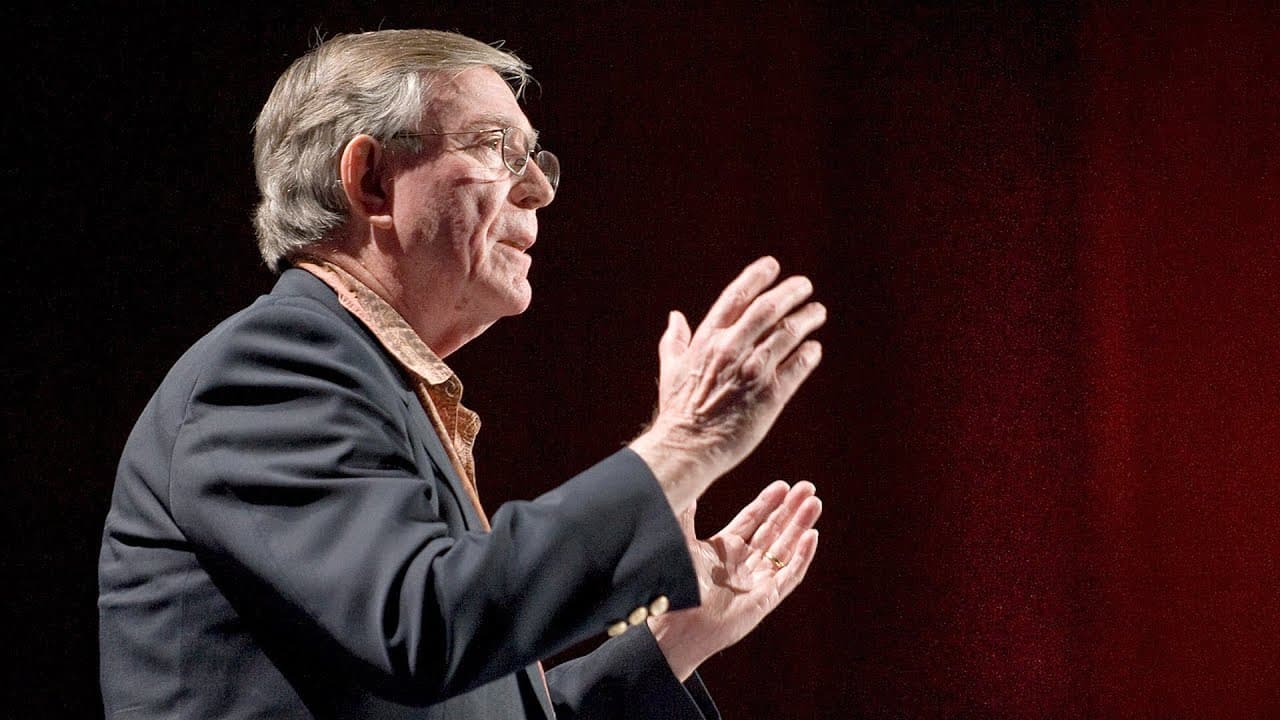
[Applause] believe it or not I come offering a solution to a very important part of this larger problem with the requisite focus on climate and the solution I offer is to the biggest culprit in this massive mistreatment of the Earth by humankind and the resulting decline of the biosphere that culprit is business and industry which happens to be whe... Read More
Key Insights
- 🥺 Business and industry must lead the way in sustainability to prevent further decline of the biosphere.
- 🤑 Transforming extractive practices into renewable and cyclical ones can significantly reduce environmental impact.
- 🛀 Interface's progress in sustainability shows that it is possible to achieve zero impact and still be profitable.
- ❓ Sustainability can be a powerful differentiator in the marketplace, attracting customers and generating goodwill.
- ❤️🩹 There is a need to reframe affluence as a means to happiness rather than an end in itself.
- 🥅 The goal of sustainability is not just for our species but for future generations and a harmonious relationship with nature.
- 🥺 Making sustainability a priority can lead to cost savings and drive innovation.
Install to Summarize YouTube Videos and Get Transcripts
Explore YouTube Video Summarizer or Get YouTube Transcript Extractor
Questions & Answers
Q: What is Ray Anderson's business logic of sustainability?
Ray Anderson argues that business and industry are major causes of biosphere decline but are also powerful enough to lead change. Interface’s results support his case: over 12 years, net greenhouse gas emissions fell 82%, sales increased by 2/3, and profits doubled.
Q: Why does Ray Anderson say business and industry must lead sustainability?
He says business and industry are among the major culprits causing the biosphere’s decline. He also describes them as sufficiently large, pervasive, and powerful to lead humankind out of the problem.
Q: What prompted Ray Anderson to change Interface's environmental direction?
He read Paul Hawken’s The Ecology of Commerce in the summer of 1994. Hawken’s argument led Anderson to see himself as a plunderer of the Earth and challenge Interface to lead industry toward sustainability.
Q: How did Interface define sustainability?
Interface defined sustainability as operating its petroleum-intensive business by taking from Earth only what Earth can renew naturally and rapidly. The company also aimed to do no harm to the biosphere, summarized as, take nothing and do no harm.
Q: How did Interface plan to transform carpet manufacturing?
Interface planned to replace extractive materials with renewable ones, linear production with cyclical production, and fossil fuel energy with renewable energy. It also sought to become waste-free and benign while shifting its focus from labor productivity to resource productivity.
Q: How much did Interface reduce greenhouse gas emissions?
Interface reduced net greenhouse gas emissions by 82% in absolute tonnage over 12 years. Relative to sales, that represented a 90% reduction in greenhouse gas intensity.
Q: Did Interface remain profitable while reducing its environmental impact?
Yes. During the same 12 years in which absolute greenhouse gas emissions fell 82%, sales increased by 2/3 and profits doubled.
Q: What other environmental progress did Interface report?
Fossil fuel usage fell 60% per unit of production, while water usage fell 75% in the worldwide carpet tile business and 40% in the broadloom carpet business. Renewable or recycled materials reached 25% of the total, and renewable energy reached 27% as Interface pursued 100%.
Summary & Key Takeaways
-
Who: Ray Anderson founded Interface from scratch in 1973 to produce carpet tiles for American business and institution markets.
-
When: Reading Paul Hawken’s The Ecology of Commerce in the summer of 1994 prompted Anderson to challenge Interface to pursue sustainability.
-
Definition: Interface defined sustainability as taking only what Earth can renew naturally and rapidly while doing no harm to the biosphere.
-
Step 1: Replace extractive raw materials with renewable materials.
-
Step 2: Replace linear take-make-waste production with cyclical production.
-
Step 3: Replace fossil fuel energy with renewable energy, wasteful operations with waste-free ones, and labor productivity with resource productivity.
-
Number: Net greenhouse gas emissions fell 82% in absolute tonnage over 12 years, while sales increased by 2/3 and profits doubled.
-
Number: Greenhouse gas intensity relative to sales fell 90%.
-
Number: Fossil fuel usage fell 60% per unit of production through efficiencies and renewables.
-
Number: Water usage fell 75% in carpet tiles and 40% in broadloom carpet.
-
Number: Renewable or recycled materials reached 25% of the total, while renewable energy reached 27%, with a goal of 100%.
Read in Other Languages (beta)
Share This Summary 📚
Summarize YouTube Videos and Get Video Transcripts with 1-Click
Try YouTube Summary with ChatGPT & Claude or YouTube Transcript Generator
Explore More Summaries from TED-Ed 📚




Summarize YouTube Videos and Get Video Transcripts with 1-Click
Try YouTube Summary with ChatGPT & Claude or YouTube Transcript Generator