Robert Torrens on strategic trade policy
TL;DR
Torrens advocated for strategic trade policy and free trade.
Transcript
now let's consider the thought of robert torrance on strategic trade policy we're again turning to torrance's classic work the budget published in 1834 and in particular we're looking at letter number three to honorable sir robert peel here's the picture of peel peel was in parliament and later he became prime minister he was also the prime ministe... Read More
Key Insights
- Robert Torrens advocated for absolute free trade between nations, emphasizing the benefits of mutual tariff reductions to stimulate international trade.
- Torrens is credited with discovering the concept of comparative advantage, a foundational idea in economics, often mistakenly attributed to David Ricardo.
- He recognized the potential costs of transitioning industries away from protectionism, yet viewed protected industries as economically parasitic.
- Torrens proposed a strategic trade policy based on reciprocity, where tariff reductions are contingent on similar actions by trade partners.
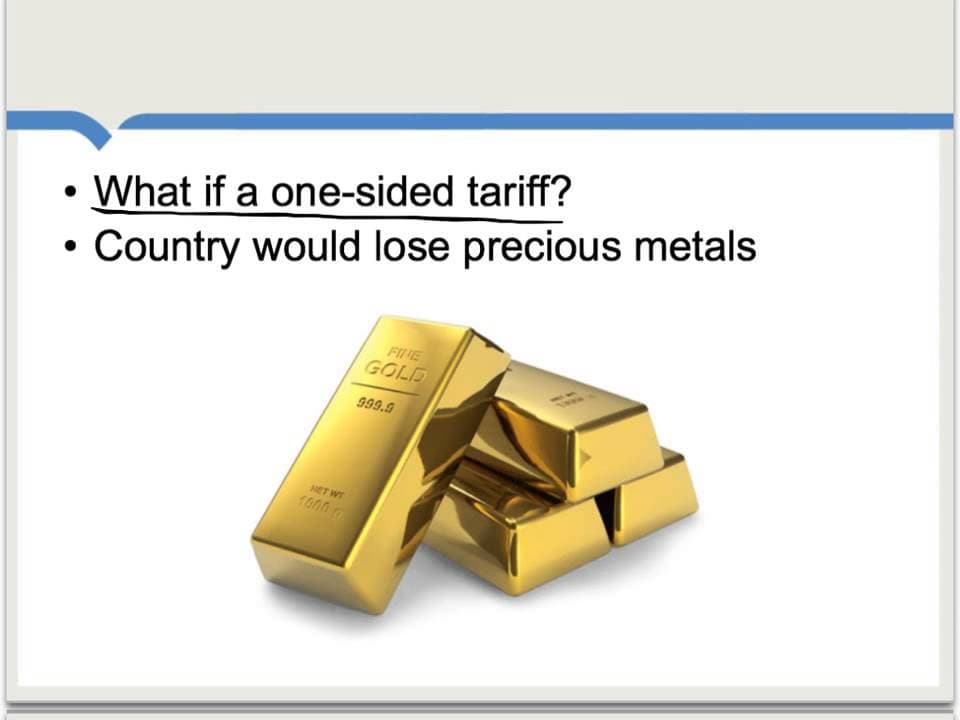
- He warned against one-sided tariffs, as they could lead to deflationary outcomes by reducing the flow of precious metals and increasing debt burdens.
- Torrens argued against placing tariffs on raw materials, emphasizing their importance for processing exports and maintaining competitive industries.
- He saw British colonialism as a means to expand free trade areas and strengthen trade negotiations through increased bargaining power.
- Despite his insights, Torrens acknowledged the potential misuse of strategic trade policies, which could be influenced by special interests and not always optimally applied.
Install to Summarize YouTube Videos and Get Transcripts
Explore YouTube Video Summarizer or Get YouTube Transcript Extractor
Questions & Answers
Q: What was Robert Torrens' stance on free trade?
Robert Torrens was a strong advocate for absolute free trade between nations. He believed that mutual tariff reductions would lead to increased international trade and economic prosperity. Torrens emphasized the principle of reciprocity, where countries lower tariffs for each other to stimulate trade, ultimately benefiting all involved parties.
Q: How did Torrens contribute to the concept of comparative advantage?
Robert Torrens is credited with the initial discovery of the concept of comparative advantage, a fundamental idea in economics. This concept, often mistakenly attributed to David Ricardo, highlights how countries can benefit from specializing in the production of goods where they have a relative efficiency advantage, thus promoting international trade and economic efficiency.
Q: What was Torrens' view on protectionism?
Torrens acknowledged that transitioning industries away from protectionism could incur costs, but he viewed protected industries as economically parasitic. He believed that protectionist measures should be removed carefully and skillfully, as they hinder economic growth and prevent industries from becoming competitive in the global market.
Q: What did Torrens propose regarding strategic trade policy?
Torrens proposed a strategic trade policy based on the principle of reciprocity. He argued that countries should lower their tariffs only if their trade partners do the same. This approach, he believed, would lead to more free trade in the long run and allow countries to use their economic influence to negotiate favorable trade terms.
Q: What were Torrens' concerns about one-sided tariffs?
Torrens warned that one-sided tariffs, where one country imposes tariffs while the other practices free trade, could lead to negative economic outcomes. Specifically, he noted that such tariffs could result in the outflow of precious metals, leading to deflationary pressures and an increase in the real value of debts, which he saw as detrimental to economic stability.
Q: Why did Torrens oppose tariffs on raw materials?
Torrens opposed tariffs on raw materials because he believed they were essential for processing exports and maintaining competitive industries. By ensuring the free import of raw materials, countries could sustain their manufacturing sectors and enhance their export capabilities, ultimately contributing to economic growth and development.
Q: How did Torrens view British colonialism in relation to trade?
Torrens defended British colonialism as a means to expand free trade areas and strengthen trade negotiations. He argued that having colonies allowed Britain to create larger free trade zones and provided leverage in trade negotiations, as other nations could be threatened with losing access to both the home market and colonial markets.
Q: What potential issues did Torrens identify with strategic trade policies?
Torrens recognized that strategic trade policies could be misused and influenced by special interests, leading to suboptimal outcomes. He cautioned that tariffs imposed for strategic purposes might not be removed when necessary, as political and economic pressures could prevent countries from acting in their best long-term interests.
Summary & Key Takeaways
-
Robert Torrens, an early advocate of free trade, emphasized the importance of strategic trade policy through reciprocity. He believed in the benefits of mutual tariff reductions and warned against the economic dangers of one-sided tariffs, which could lead to deflation and increased debt burdens.
-
Torrens is credited with the discovery of comparative advantage, a key economic principle often attributed to David Ricardo. He also developed an early version of the debt-deflation theory, linking trade policy to macroeconomic factors, and strongly opposed deflationary pressures.
-
In his letter to Sir Robert Peel, Torrens outlined his views on strategic trade policy, advocating for the removal of tariffs on raw materials and highlighting the role of British colonialism in expanding trade areas. He acknowledged the potential for strategic trade policies to be misused by special interests.
Read in Other Languages (beta)
Share This Summary 📚
Summarize YouTube Videos and Get Video Transcripts with 1-Click
Try YouTube Summary with ChatGPT & Claude or YouTube Transcript Generator
Explore More Summaries from Marginal Revolution University 📚

Summarize YouTube Videos and Get Video Transcripts with 1-Click
Try YouTube Summary with ChatGPT & Claude or YouTube Transcript Generator