How to Recover After Failing Under Pressure
TL;DR
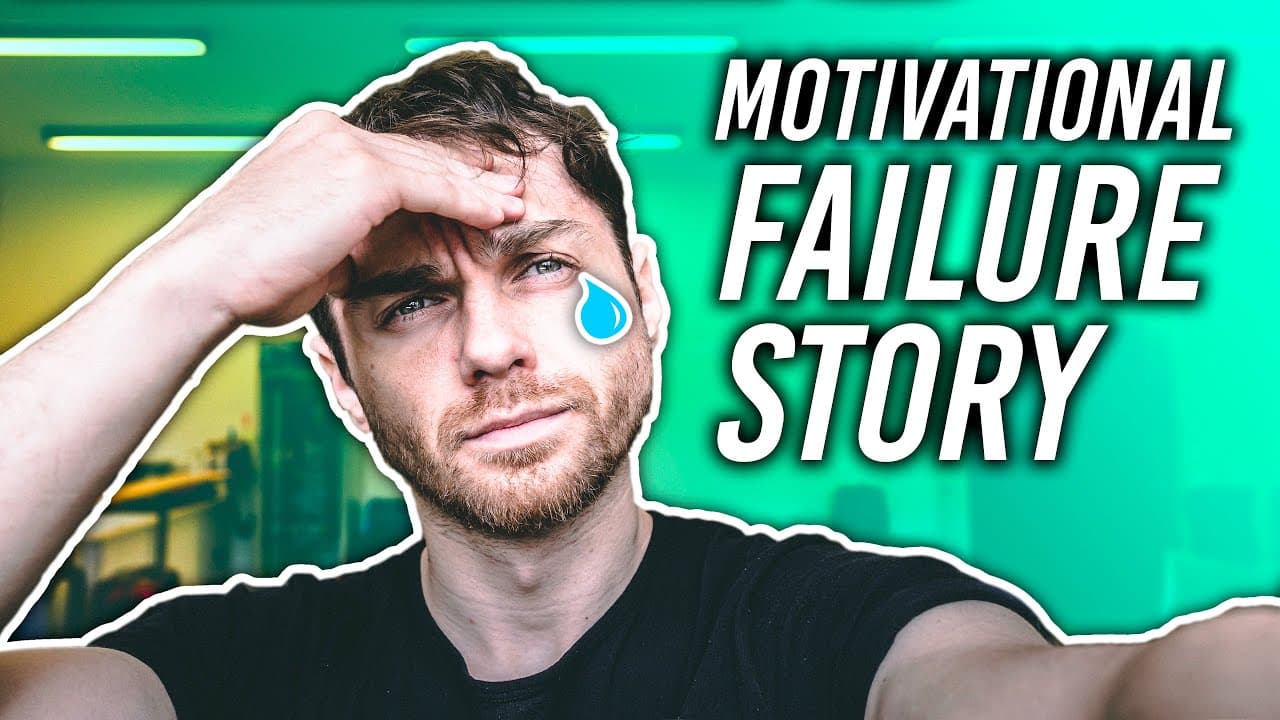
A painful performance can feel much worse than it actually appeared to others, especially when nerves and embarrassment shape your memory. After dropping cards during a Russian television appearance, the performer sought perspective, learned that a canceled segment was unrelated to him, and regained confidence by focusing on reassurance, humor, and the next opportunity.
Transcript
I just got off stage, and I'm now in my green room after the performance on TV, and I bombed. I sucked so bad. I feel so, like, terrible right now. Like, I don't even wanna see or talk to anybody. That's how... You guys had that, where like you're so cringed by your own self, you're so embarrassed, you just feel like other people are judging you. S... Read More
Key Insights
- Performance anxiety is intensified when several disruptions happen together. Lost luggage, repeated airport paperwork, waiting at the studio, limited preparation time, and an unfamiliar performance format all affected the performer before he appeared in front of the television audience.
- Cardistry is a skill in which visible mistakes can be acceptable. Dropping cards may show that the movements are real, but the performer believed those mistakes needed to be balanced with conversation, jokes, or another form of entertainment.
- Language fluency is different from conversational flexibility. The performer could speak Russian well enough to appear fluent, yet he struggled to hold an in-depth conversation, find words quickly, and joke naturally while managing the pressure of performing.
- Humor is a practical way to recover from an imperfect performance. The performer's friend once revealed a soggy, damaged playing card from a pumpkin, then responded to the failed-looking result with a joke that allowed everyone to laugh about it.
- Self-evaluation immediately after failure can be harsher than outside evaluation. The performer remembered the appearance as terrible, while his assistant repeatedly told him that it went well and did not require the corrective filming he requested.
- Ambiguous decisions can encourage inaccurate personal conclusions. When the performer was removed from the planned round-table segment, he initially treated the decision as evidence that he had performed badly, despite lacking confirmation that his performance caused it.
- Additional information can quickly change an embarrassing interpretation. The performer later learned that everyone in the table group had lost the second segment, which showed that his exclusion was not a unique response to his cardistry performance.
- Recovery is supported by perspective, reassurance, and another opportunity. Calling a friend produced a funny comparison, the production staff offered positive feedback, and the later mention of a sold-out theater shifted attention away from the television appearance.
Install to Summarize YouTube Videos and Get Transcripts
Explore YouTube Video Summarizer or Get YouTube Transcript Extractor
Questions & Answers
Q: How can someone recover after a bad public performance?
Recovery can begin by separating immediate feelings from confirmed facts. The performer felt that he had failed, but the staff told him the appearance went well, and the canceled second segment affected the entire table group. He also called a friend who shared a funny television mistake. Reassurance, perspective, humor, and attention to the next performance helped reduce his embarrassment.
Q: Why did the television performance feel like a failure?
The performer dropped cards several times and could not respond with the humor and conversation he normally used to keep an audience entertained. He was speaking Russian, but he had difficulty finding words and holding an in-depth exchange. The production had also introduced him enthusiastically, so he felt pressure to meet elevated expectations while performing under unfamiliar conditions.
Q: What caused the performer to feel nervous on television?
Several pressures accumulated before the appearance. His luggage did not arrive in Moscow, he had to complete repeated airport forms, and he wore the same clothes the next day. At the studio, he waited for an hour and then received only one hour to adapt to the format and edit a soundtrack. The language barrier added further pressure once he reached the stage.
Q: How did the Russian language barrier affect the performance?
The performer described his Russian as good enough to make people think he was Russian, but not strong enough for an in-depth conversation. During cardistry, he normally responds to dropped cards by talking, joking, and continuing to entertain. In Russia, searching for words made that recovery difficult, increased his nervousness, and left him feeling that his technical execution needed to be nearly perfect.
Q: Why can dropping cards be acceptable during cardistry?
Dropping cards can reveal that cardistry is a genuine physical skill rather than an effortless or concealed effect. According to the performer, mistakes are acceptable when the audience remains entertained through jokes, conversation, or personality. The problem during the television appearance was not simply that cards fell, but that his limited conversational Russian prevented him from recovering in his usual entertaining style.
Q: What did the pumpkin card story teach about handling mistakes?
The performer's friend had attempted a television trick in which a card appeared inside a pumpkin. Because the pumpkin was difficult to cut, the revealed card became soggy and partly destroyed. Instead of freezing, the friend joked that it was still the same card, and everyone laughed. The story showed how acknowledging an imperfect result with humor can preserve an entertaining performance.
Q: Was the performer removed from the second segment because he failed?
No confirmed information in the account connected his performance to the cancellation. He initially feared that the production no longer wanted him because he had performed badly or could not participate conversationally in Russian. He later learned that everyone assigned to the table was excluded from the second segment. That clarification showed that the change was not directed solely at him.
Q: What is the main lesson from the failed television appearance?
The main lesson is that embarrassment can produce a distorted interpretation before all the facts are known. The performer assumed that dropped cards, staff decisions, and his own discomfort proved that he had failed. Staff feedback and later information contradicted that conclusion. Seeking perspective and allowing time for clarification helped him move from shame toward acceptance and readiness for another audience.
Summary & Key Takeaways
-
The performer arrived in Moscow without his luggage, spent time completing repeated airport forms, and had to wear the same clothes the next day. At the television studio, he then learned the performance format with only one hour available, forcing him to edit a new soundtrack shortly before recording began.
-
During the cardistry performance, he dropped cards several times and struggled to compensate through conversation or humor because his Russian was not strong enough for an in-depth exchange. Although mistakes can demonstrate that cardistry is real, he believed they became more noticeable because he could not entertain the audience as naturally as in America.
-
After leaving the stage, the performer felt embarrassed and assumed that losing his place in a second segment confirmed his failure. Staff said his performance went well, and he later discovered that the entire table group had been removed from that segment. The clarification helped him challenge his negative interpretation and move forward.
-
The experience shows how stress can combine across a difficult trip, limited preparation, language barriers, elevated expectations, and public mistakes. A friend's story about a damaged card inside a pumpkin also demonstrated how humor can transform an imperfect performance. The performer eventually accepted reassurance and turned his attention toward a sold-out theater.
Read in Other Languages (beta)
Share This Summary 📚
Summarize YouTube Videos and Get Video Transcripts with 1-Click
Try YouTube Summary with ChatGPT & Claude or YouTube Transcript Generator
Explore More Summaries from Andrei Jikh 📚



Summarize YouTube Videos and Get Video Transcripts with 1-Click
Try YouTube Summary with ChatGPT & Claude or YouTube Transcript Generator