The King in the Car Park: The Discovery and Identification of Richard III - Professor Kevin Schürer
TL;DR
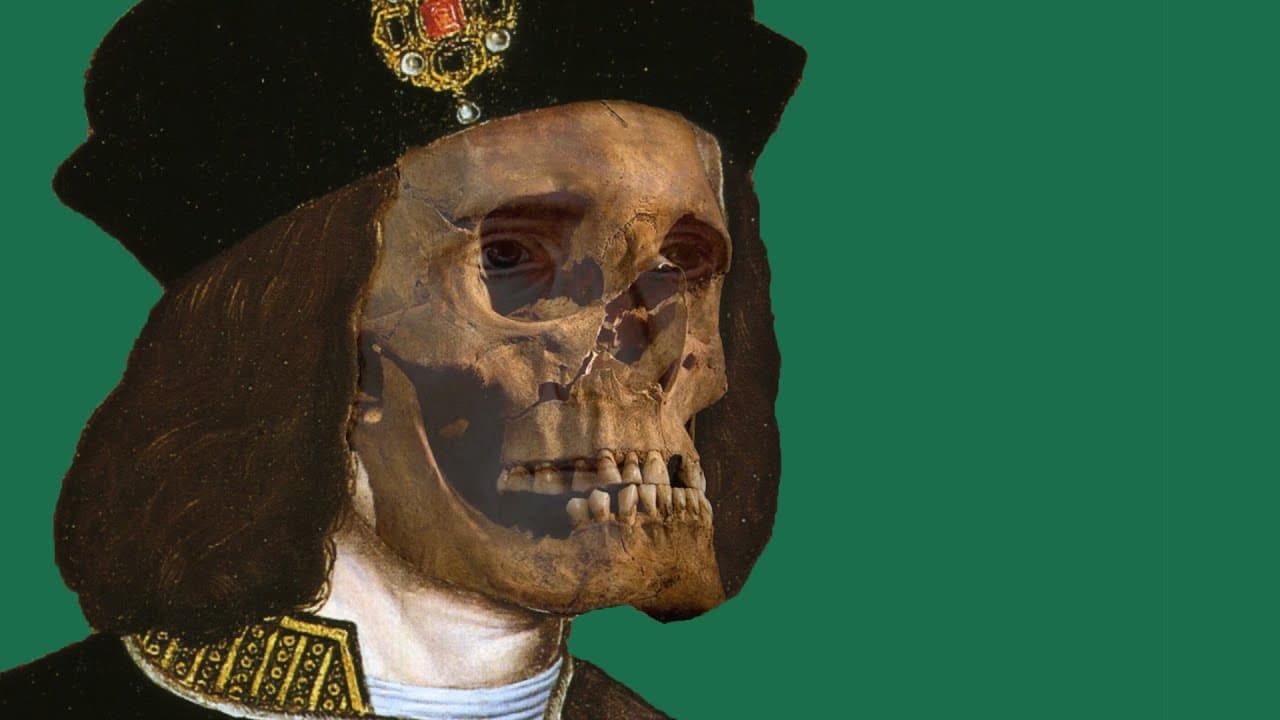
Richard III’s remains were identified through an interdisciplinary investigation combining historical records, archaeology, osteology, forensic examination, and DNA analysis. Researchers knew he was 32 when he died and had been buried in the choir of Leicester’s Grey Friars church; the excavated skeleton’s curved spine, battle wounds, and mitochondrial DNA match supported the identification. Read on to see how each strand of evidence strengthened the conclusion.
Transcript
um well thank you uh s rodri for that um wonderful introduction um um I I often think about the research I do uh and maybe the contribution I make and I perhaps never thought about it in the terms that um sir rodri just expressed but looking back um not that we'll dwell on it here um but yes looking back over the last 20 I don't know 30 years almos... Read More
Key Insights
- 🪪 The discovery and identification of Richard III's remains required an interdisciplinary approach, involving archaeologists, geneticists, and historians.
- 🖐️ Historical accounts and archaeological evidence played a crucial role in locating the burial site of Richard III.
- 🤘 The examination of the remains revealed significant findings, such as a curved spine, battle injuries, and signs of postmortem humiliation.
Install to Summarize YouTube Videos and Get Transcripts
Explore YouTube Video Summarizer or Get YouTube Transcript Extractor
Questions & Answers
Q: How were Richard III’s remains discovered and identified?
Researchers treated the investigation like a missing-person case, combining evidence from historians, archaeologists, an osteologist, a geneticist, and other specialists. Historical records located Richard’s burial in the choir of Grey Friars, while excavation, skeletal examination, and DNA analysis connected the recovered remains to him.
Q: How did researchers locate Richard III’s burial site?
Historical accounts established that Richard III had been buried in the choir of the Grey Friars church in Leicester. Researchers identified the church and choir area through archaeological investigation, including scans and excavation trenches.
Q: Why had Richard III’s grave become difficult to find?
Grey Friars was sold and demolished during the dissolution of the monasteries, and the land was acquired by the Herrick family. Although the friary’s general location had long been known, its buildings and precise burial context no longer survived above ground.
Q: What was known about Richard III before the remains were examined?
Researchers knew he had stayed in Leicester before leaving for the Battle of Bosworth and that his body was returned after his violent death. They also knew he was 32 when he died and had been buried in the choir of Grey Friars.
Q: What did examination of the skeleton reveal?
The remains had a curved spine consistent with scoliosis and showed multiple battle injuries. These included wounds to the skull and cheek, along with a wound to the buttocks interpreted as postmortem humiliation.
Q: Did the skeleton support descriptions of Richard III as a hunchback?
The curved spine provided evidence of scoliosis, but the transcript distinguishes this from Shakespeare’s much later portrayal of Richard as a hunchback with a withered arm. A more contemporary description instead mentioned unequal shoulders, with the right slightly higher than the left.
Q: How did DNA analysis support the identification?
Researchers conducted mitochondrial DNA and Y-chromosome analyses. Mitochondrial DNA from a living descendant of Richard III’s sister matched the remains, supporting a shared female ancestor, while the Y-chromosome results indicated a break in the paternal lineage.
Q: What conclusion did the combined evidence support?
The archaeological setting, skeletal characteristics, battle injuries, and DNA evidence all supported identifying the remains as Richard III. The existing analysis describes the resulting probability as 99.99% or higher.
Summary & Key Takeaways
-
The talk begins with an introduction to the speaker's previous contributions to National Archive projects before delving into the main topic of Richard III's discovery and identification.
-
The speaker discusses the historical context of Richard III's movements in Leicester and provides key locations associated with him, such as Bosworth Field and the Gray Friars church.
-
The talk then focuses on the archaeological excavation and the analysis of Richard III's remains, including the examination of his curved spine, battle injuries, and DNA testing.
Read in Other Languages (beta)
Share This Summary 📚
Summarize YouTube Videos and Get Video Transcripts with 1-Click
Try YouTube Summary with ChatGPT & Claude or YouTube Transcript Generator
Explore More Summaries from Gresham College 📚
Summarize YouTube Videos and Get Video Transcripts with 1-Click
Try YouTube Summary with ChatGPT & Claude or YouTube Transcript Generator