Should You Choose Parenthood or a Child-Free Life?
TL;DR
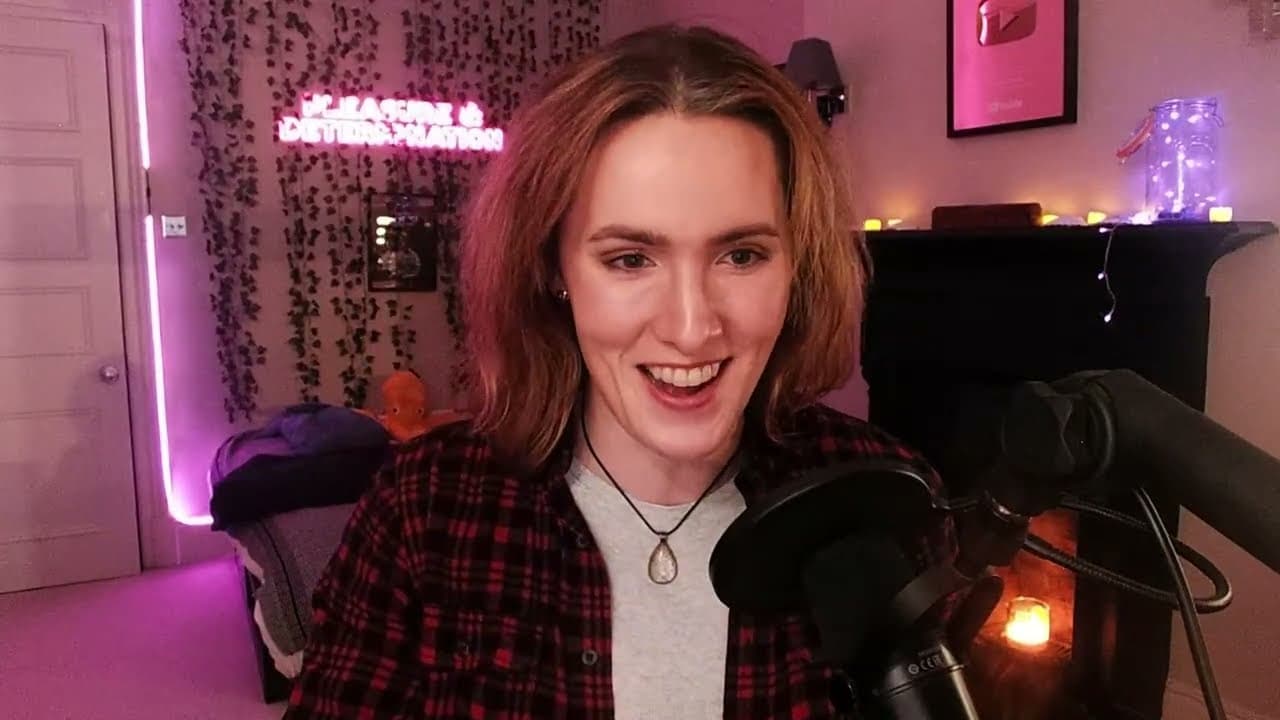
Deciding whether to have children involves complex ethical considerations, including personal desires and societal impacts. The video explores the emotional and philosophical dimensions of parenthood versus a child-free lifestyle, highlighting personal anecdotes and broader ethical questions. It offers insights into the pressures and expectations surrounding this life choice.
Transcript
Hey everybody. How are we doing? How is everybody doing? Can you see me? Can you hear me? Hello to the chat. Hello. Hello. Hello. Hello, Anselin. Hello, Jake 499. Hey. All right. Good thing. Good. People can hear me. Awesome. You should be able to anyway. My My streaming software is like isn't sure it seems. But anyway, can you hear me? You hear me... Read More
Key Insights
- Parenthood creates a moral obligation to care for children, which not everyone is willing to accept.
- The ethics of having children are complex, involving personal desires and societal impacts.
- Personal experiences and societal pressures heavily influence the decision to have children.
- There is a notable absence of discussion around the regret of having children.
- The decision not to have children can be driven by pessimism about the future or personal circumstances.
- Having children can motivate individuals to strive for a better world.
- The video uses artistic elements to explore the emotional aspects of the topic.
- The structure of the video reflects the difficulty of engaging with the topic purely rationally.
Install to Summarize YouTube Videos and Get Transcripts
Explore YouTube Video Summarizer or Get YouTube Transcript Extractor
Questions & Answers
Q: What are the ethical considerations of having children?
Ethical considerations of having children include the moral obligation to care for them, the impact on society, and the environmental implications. Deciding to have children involves weighing personal desires against these broader ethical concerns, and understanding the potential lifelong commitment and responsibilities involved.
Q: Why do some people choose a child-free life?
People may choose a child-free life due to personal preferences, career goals, financial considerations, or ethical concerns about overpopulation and environmental impact. Others may be influenced by societal pressures or personal experiences that shape their views on parenthood.
Q: How does societal pressure influence the decision to have children?
Societal pressure can heavily influence the decision to have children, as cultural norms often prioritize parenthood as a key aspect of adulthood and success. This pressure can lead individuals to have children despite personal reservations or alternative desires, impacting their life choices and personal happiness.
Q: What role does personal experience play in the decision to have children?
Personal experience plays a significant role in the decision to have children. Individual upbringing, familial expectations, and personal relationships can shape one's views on parenthood, influencing whether they see it as a desirable and fulfilling life path or a burden they wish to avoid.
Q: What are some reasons people regret having children?
Some people may regret having children due to the unexpected challenges of parenting, including financial strain, loss of personal freedom, and the emotional toll of raising a child. Additionally, societal pressures and unrealistic expectations can lead to dissatisfaction with the reality of parenthood.
Q: How can having children motivate individuals to improve the world?
Having children can inspire individuals to work towards a better world by instilling a sense of responsibility for future generations. Parents may become more environmentally conscious, politically active, or community-focused as they strive to create a better society for their children to inherit.
Q: What are the personal and societal impacts of choosing not to have children?
Choosing not to have children can lead to personal fulfillment and freedom, allowing individuals to focus on careers, travel, or personal growth. Societally, it can impact demographic trends, economic structures, and cultural norms, challenging traditional views on family and success.
Q: How does the video use artistic elements to explore the topic?
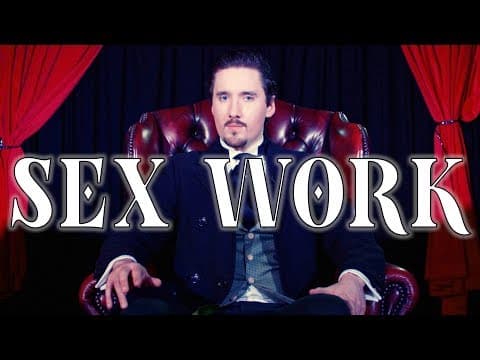
The video uses artistic elements, such as costume and set design, to explore the emotional and philosophical dimensions of the topic. By employing a mermaid metaphor and a visually striking set, the video emphasizes the complex, often mystical nature of the decision to have children or remain child-free.
Summary & Key Takeaways
-
The video delves into the ethical and emotional complexities of choosing between parenthood and a child-free life. It highlights personal stories and broader societal expectations, offering a nuanced perspective on this major life decision.
-
Artistic elements and personal anecdotes are used to explore the topic, emphasizing the emotional weight and societal pressures involved in the decision to have children.
-
The video challenges viewers to consider the moral obligations and potential regrets associated with parenthood, while also acknowledging the motivations that drive people to have children.
Read in Other Languages (beta)
Share This Summary 📚
Summarize YouTube Videos and Get Video Transcripts with 1-Click
Try YouTube Summary with ChatGPT & Claude or YouTube Transcript Generator
Explore More Summaries from Philosophy Tube 📚

Summarize YouTube Videos and Get Video Transcripts with 1-Click
Try YouTube Summary with ChatGPT & Claude or YouTube Transcript Generator