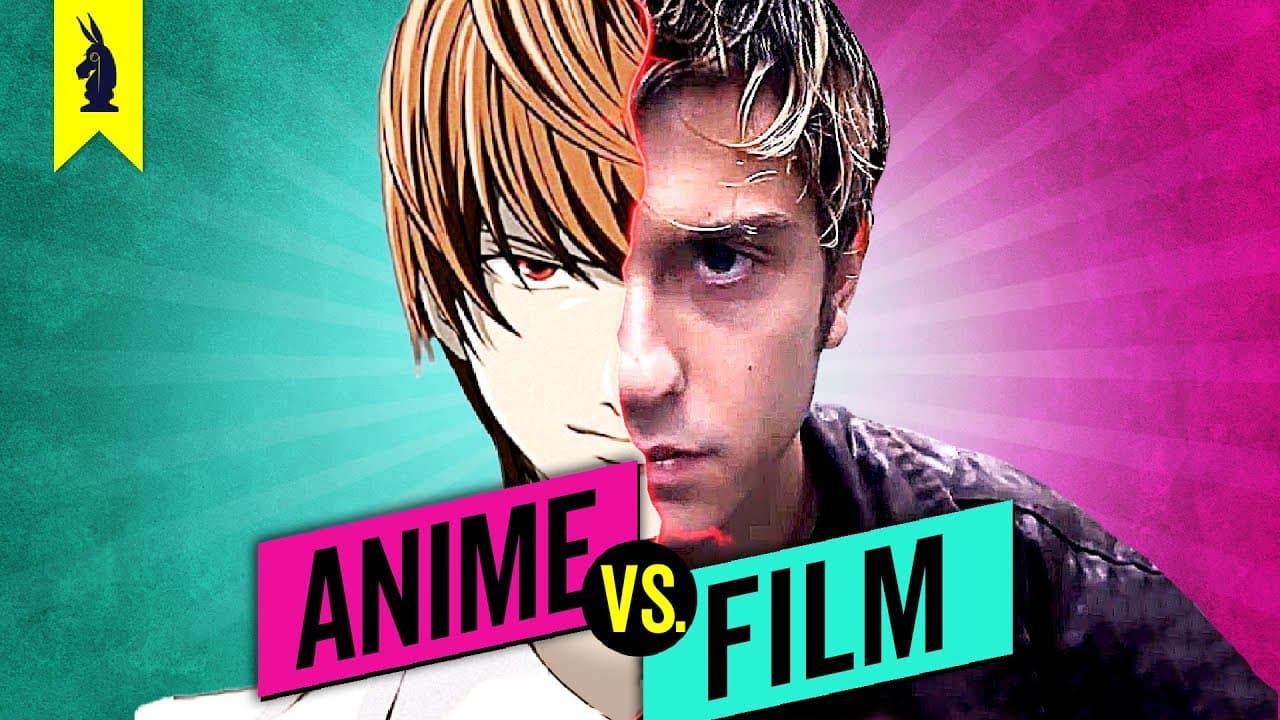
How Netflix Ruined Death Note - Anime vs. Film
TL;DR
The Netflix adaptation of Death Note drastically alters key elements from the original anime and manga.
Transcript
- This video is brought to you by Revtown. Hey yo, what up Wisecrack? Chris here with the latest in our book versus film series. Hold up, it's kind of a lie. Today, it's technically anime versus film, but since you're probably watching the show with subtitles, you're technically reading and you read books. Anyway, you know what I'm saying. Today we... Read More
Key Insights
- ℹ️ The Netflix adaptation of Death Note significantly diverges from the source material, failing to capture its essence.
- 🖤 Light Yagami's intellectual prowess is essential to the anime's tension, whereas Light Turner lacks depth and cunning.
- 🥺 The film inadequately portrays the Death Note's rules, leading to illogical outcomes and a loss of narrative tension.
- 💯 Core philosophical themes, particularly regarding justice, are neglected in the film, resulting in a superficial storyline.
- 🥺 The dynamic between Light and L, central to the anime, is diminished in the film, leading to a less engaging conflict.
- 🖤 Mia's character is underdeveloped in the film, lacking the complexity of Misa in the anime, which impacts character relationships.
- 🖤 The lack of consequences for Light’s actions in the film weakens the narrative's moral framework and viewer engagement.
Install to Summarize YouTube Videos and Get Transcripts
Explore YouTube Video Summarizer or Get YouTube Transcript Extractor
Questions & Answers
Q: What are the major differences between the anime and the Netflix adaptation of Death Note?
The video outlines several major differences, including the protagonist Light's intelligence, the rules governing the Death Note's usage, and the absence of deeper themes related to justice. These alterations significantly impact the narrative's tension and overall depth, making the film feel shallow in comparison to the anime.
Q: How does the character of Light differ between the anime and film?
In the anime, Light Yagami is portrayed as a genius, making strategic decisions that create a thrilling battle of wits with his adversary, L. However, in the film, Light Turner is depicted as much less intelligent and strategic, leading to a less engaging storyline and character development.
Q: Why are the rules of the Death Note important in the anime?
The rules governing the Death Note are crucial in the anime as they create a framework for Light's actions and the narrative's internal logic. Light's genius in manipulating these rules adds depth to his character and drives the story, contrasting with the film, where the rules are inconsistently applied and often contrived for convenience.
Q: How does the adaptation handle themes of justice compared to the anime?
The anime grapples with complex themes related to justice, inviting viewers to question the morality of Light's actions and the implications of vigilantism. In contrast, the film largely ignores these themes, reducing the narrative to a simplistic exploration of power rather than challenging philosophical concepts, limiting its emotional and moral resonance.
Q: What impact does the relationship between Light and L have in the anime?
The relationship between Light and L is central to the anime, with both characters serving as intellectual equals driven by different ideologies of justice. This dynamic creates tension and suspense throughout the story. The film undermines this relationship by simplifying their conflict, making it feel more like a cliché than a compelling rivalry.
Q: How does the depiction of Mia differ from her anime counterpart?
Mia in the Netflix film is presented with little depth or motivation beyond being a love interest and sidekick, as opposed to Misa Amane in the anime, who has her own complex motivations and character traits. This reduction diminishes the overall narrative impact and divides the character dynamics without offering any meaningful exploration of their relationship.
Q: What are the consequences of Light's actions in the anime versus the film?
In the anime, Light faces consequences for his actions, culminating in a morally satisfying conclusion, as he ultimately pays for his hubris. Conversely, the film avoids committing to any significant consequences, leaving Light's fate ambiguous and undermining the moral implications of the story, which diminishes its overall impact.
Q: Why do the creators of the Netflix adaptation leave the ending ambiguous?
The directors chose to leave the Netflix film's ending open to interpretation to avoid strong character choices and conclusions, which unfortunately leads to a lack of narrative resolution. This indecision reflects the film's overall avoidance of deep themes and significant character development, ultimately resulting in a less satisfying experience for viewers.
Summary & Key Takeaways
-
The video examines the stark contrasts between the beloved anime and the infamous Netflix film adaptation of Death Note, highlighting critical differences in characters and themes.
-
Key changes include the protagonist's intelligence, the portrayal of rules regarding the Death Note, and the philosophical questions around justice that the original work explores.
-
The analysis critiques the film for lacking depth, primarily due to its failure to explore significant themes present in both the anime and manga.
Read in Other Languages (beta)
Share This Summary 📚
Summarize YouTube Videos and Get Video Transcripts with 1-Click
Try YouTube Summary with ChatGPT & Claude or YouTube Transcript Generator