How to Build a Career Through Open Source
TL;DR
Open source can advance a career by letting professionals study real tools, apply them at work, ask community members questions, and demonstrate useful contributions. The panelists connect that participation to cybersecurity roles, recruiter visibility, company creation, professional satisfaction, and opportunities at organizations including Microsoft, Amazon, Mandiant, ESnet, and Facebook.
Transcript
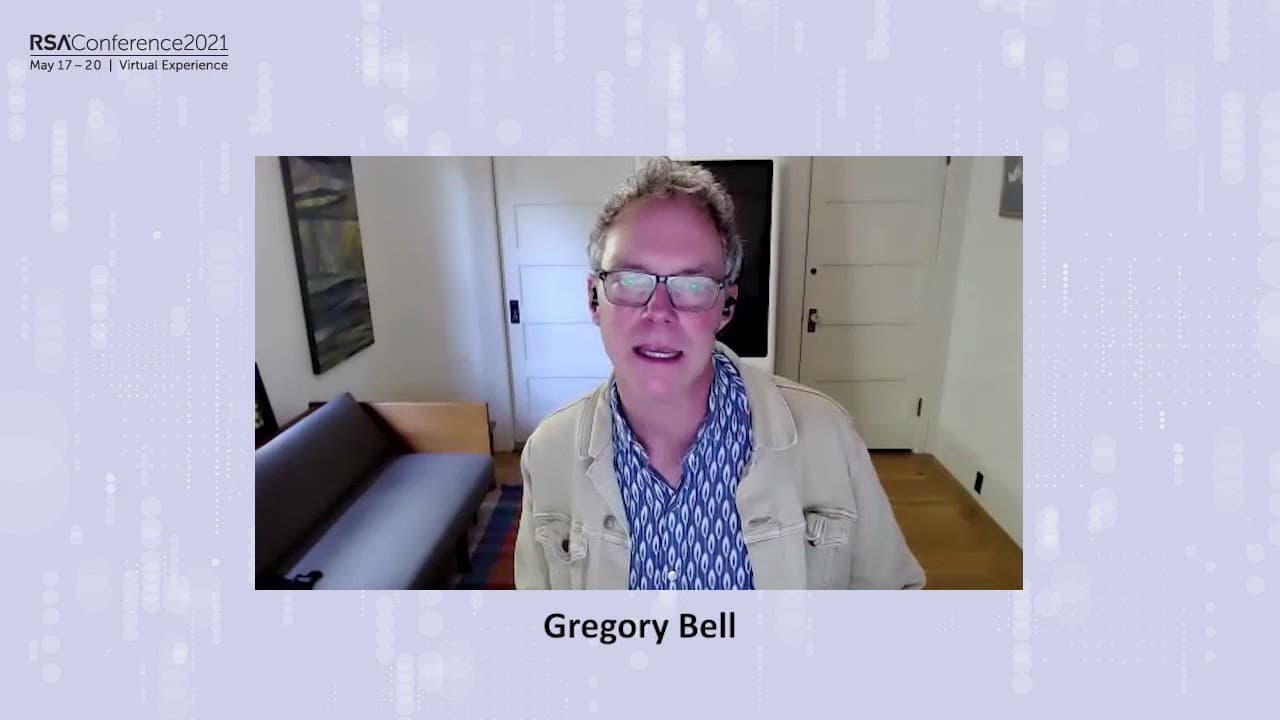
Hello and welcome to our panel. My name is Greg Bell. I'm a co-founder of an open source security company called Corelight, and I will be your moderator today. It's not a secret that we're recording this in advance this year, so please put your questions in chat. We'll be here to answer them and to engage with those questions in real time, and pote... Read More
Key Insights
- Open source is a pathway to career transformation because it gives people direct access to working technology, accumulated community experience, and opportunities to demonstrate initiative. The panelists describe participation as a source of cybersecurity skills, professional connections, recruiter attention, more satisfying work, and social mobility.
- Bernard Brantley credits open source with bringing him into cybersecurity after earlier approaches in his life were not working. Discovering Snort allowed him to investigate network security independently, choose what was useful, read until he understood enough, and convert his curiosity into practical execution.
- Open source supports individualized learning because participants can adapt available projects to their interests, backgrounds, and immediate problems. Brantley valued the freedom to follow different ideas while applying his own experience, then used that model to create growth opportunities for people within the businesses where he worked.
- Security Onion began as Doug Burks’s attempt to create a defender-focused counterpart to BackTrack Linux, which later became Kali Linux. He started the project in 2008 after working with intrusion detection technologies including Snort, Suricata, and Bro, the project now known as Zeek.
- Community adoption can turn an open source project into a business opportunity. As the worldwide Security Onion user community and demand grew, Burks founded Security Onion Solutions in 2014. He said the company subsequently grew every year and supported families in Augusta, Georgia, and several other states.
- Open source work can create career connections through visible contributions and community participation. Burks said his involvement helped lead to an opportunity at Mandiant, while the panel’s opening example described a Purdue University student whose deployment of Zeek on a research network helped her secure a Facebook role.
- Open source contribution is not limited to software developers. Fatema Wala approached Zeek as a security engineer who needed to improve detection in her work environment, showing that using, configuring, testing, documenting, questioning, and applying a project can also support meaningful participation and professional growth.
- Asking basic questions is a valid way to enter an open source community. Wala joined the Zeek mailing list and asked many questions while learning how the system worked. Her experience shows that beginners can build competence by exploring available material and engaging directly with established project participants.
Install to Summarize YouTube Videos and Get Transcripts
Explore YouTube Video Summarizer or Get YouTube Transcript Extractor
Questions & Answers
Q: How can open source help build a cybersecurity career?
Open source can provide direct access to security tools, documentation, community knowledge, and practical problems that develop demonstrable skills. Bernard Brantley used Snort to begin exploring network security, while Fatema Wala learned Zeek by writing scripts for her job and asking questions on its mailing list. Doug Burks’s project work also helped create a connection that led to an opportunity at Mandiant.
Q: How should a beginner get started with an open source project?
A beginner can start by choosing a project connected to a real interest or workplace need, reading the available material, trying the software, and asking its community questions. Wala began with a requirement to write Zeek scripts that enhanced detection. She explored what Zeek was, reviewed available resources, joined the project’s mailing list, and openly asked many basic questions.
Q: Do you need to be a developer to contribute to open source?
No. Wala explicitly identifies the belief that only developers can contribute as a misconception. Her own background included software development, but she approached Zeek in her role as a security engineer who wanted to use an existing project to improve detection and grow within her job. The panel presents practical use, community engagement, and workplace application as meaningful forms of participation.
Q: How did Snort influence Bernard Brantley’s career?
Snort introduced Bernard Brantley to open source security and sent him on a path of discovering how security affects operational networks. He could select what was relevant, study it until he knew enough to act, and combine the project’s capabilities with his own experience. He credits open source with enabling his cybersecurity career, which later included work at Microsoft and Amazon and a CISO role.
Q: Why did Doug Burks create Security Onion?
Doug Burks saw that attackers and red teamers had BackTrack Linux, later called Kali Linux, but believed defenders lacked an equivalent platform. In 2008, after gaining experience with Linux and intrusion detection projects such as Snort, Suricata, and Bro, now Zeek, he set out to build a defender platform. That effort became Security Onion and developed into a worldwide community.
Q: How did Security Onion become a company?
Security Onion grew from an open source defender platform into a worldwide community with increasing demand. Burks said that this growth eventually made it appropriate to take a leap of faith and establish a business. He founded Security Onion Solutions in 2014, reported growth in every subsequent year, and said the company supported families in Augusta, Georgia, and other states across the country.
Q: Can open source participation attract employers and recruiters?
Yes, the panel describes visible open source work as a way to gain professional attention and connections. Its opening example concerns a Purdue University student who added the Zeek intrusion detection system to the university’s research network, an experience the university said helped her obtain a technical program manager career at Facebook. Burks also connected his open source involvement to an opportunity at Mandiant.
Q: What career benefits can open source communities provide?
Open source communities can support skill development, professional visibility, useful relationships, social mobility, and more satisfying work. Participants can learn from other people’s experience, adapt tools to real needs, and build outcomes that employers or users can observe. The panelists connect those activities with cybersecurity entry, work at major organizations, company formation, community impact, and opportunities to help others grow.
Summary & Key Takeaways
-
Open source communities can function as engines of career transformation and social mobility, not merely as places where software is developed. The panel connects hands-on participation with professional visibility, meaningful relationships, stronger skills, satisfying work, and opportunities to make an impact that extends beyond a person’s original job or organization.
-
Bernard Brantley entered cybersecurity after discovering Snort and using it to explore network security on his own terms. Open source let him combine existing community knowledge with his individual experience, become effective through practical execution, and continue growing. His subsequent work included instrumenting networks at Microsoft and Amazon and becoming a CISO.
-
Doug Burks discovered free and open source software in 1997, experimented with Linux and intrusion detection projects, and later created Security Onion as a defender-focused platform. Community growth helped connect him with Mandiant and supported the creation of Security Onion Solutions in 2014. Fatema Wala began by writing Zeek scripts and asking mailing-list questions.
Read in Other Languages (beta)
Share This Summary 📚
Summarize YouTube Videos and Get Video Transcripts with 1-Click
Try YouTube Summary with ChatGPT & Claude or YouTube Transcript Generator
Explore More Summaries from RSAC Cybersecurity 📚





Summarize YouTube Videos and Get Video Transcripts with 1-Click
Try YouTube Summary with ChatGPT & Claude or YouTube Transcript Generator