Is Creatine Effective for Muscle Gain and Health?
TL;DR
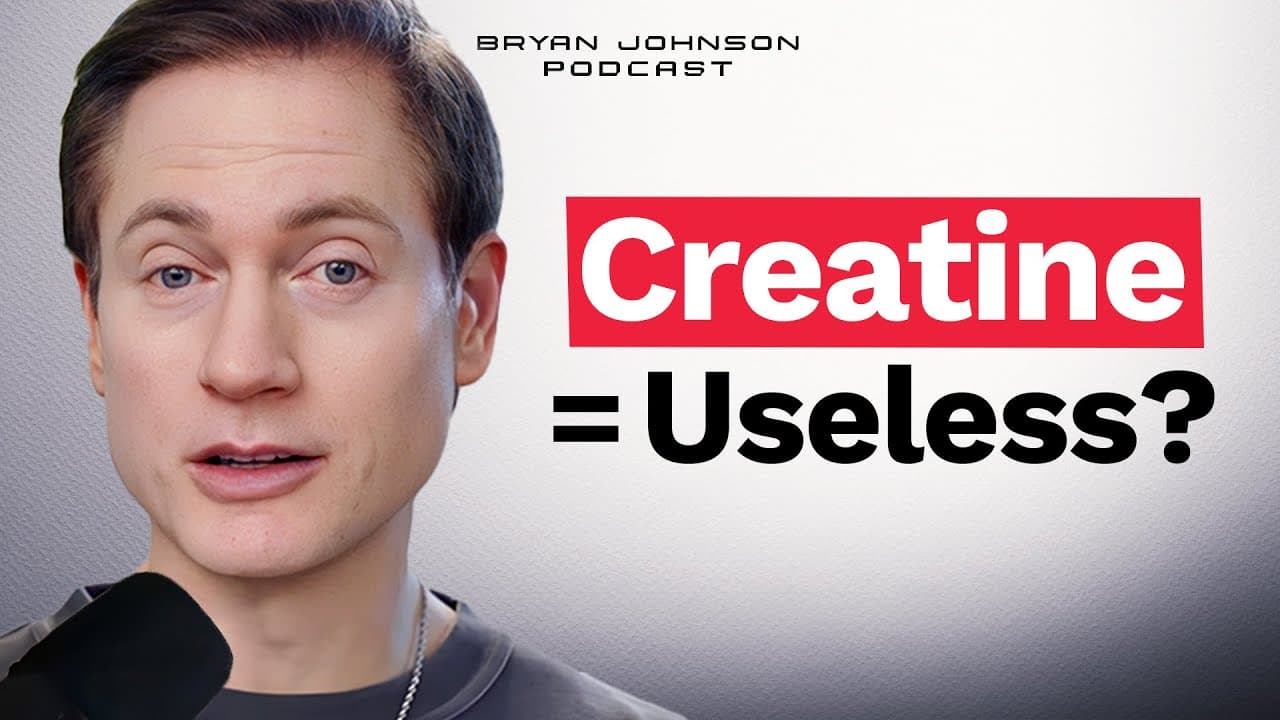
Taking 5 grams of creatine daily does not significantly increase muscle mass over 12 weeks compared to training without it. However, creatine offers other benefits, such as improved cognitive function and metabolic health, especially in well-trained athletes. The study's short duration and focus on untrained individuals limit its conclusions. Creatine remains a widely supported supplement for overall health.
Transcript
We went out to a restaurant. The team was was all together. I just so rarely do this. I was just shocked at watching how the food arrived at various tables across the restaurant. I mean, it was just I was beside myself. But I guess like knowing what I've learned about food and toxins and the way that food is passed through restaurant systems, the t... Read More
Key Insights
- A recent study found no significant muscle mass gain from creatine over 12 weeks.
- Creatine's benefits extend beyond muscle gain, aiding cognitive and metabolic health.
- The study's short duration and focus on untrained individuals limit its conclusions.
- Creatine is one of the most researched and widely used supplements.
- Standard creatine dosage is 5 grams daily, adjusted for body weight and diet.
- Creatine supplementation can elevate creatinine levels, affecting kidney function tests.
- Sleep quality significantly impacts cognitive and creative performance.
- Body awareness and measurement can enhance personal health insights.
Install to Summarize YouTube Videos and Get Transcripts
Explore YouTube Video Summarizer or Get YouTube Transcript Extractor
Questions & Answers
Q: How effective is creatine for muscle gain?
A study found that taking 5 grams of creatine daily does not significantly increase muscle mass over 12 weeks compared to training without it. The study focused on untrained individuals and did not account for creatine's benefits in well-trained athletes or over a longer period. Therefore, while creatine may not boost short-term muscle gain, it offers other health benefits.
Q: What are the benefits of creatine beyond muscle gain?
Creatine is beneficial for cognitive function, bone health, and metabolic processes. It has been shown to improve cognitive performance, especially in high-demand situations like sleep deprivation or brain trauma. Creatine also supports bone density and overall metabolic health, making it a valuable supplement for various health aspects beyond muscle gain.
Q: How much creatine should one take daily?
The standard creatine dosage is about 5 grams daily, adjusted for individual factors like body weight and diet. For general health, a weight-based dosage of 0.1 grams per kilogram is recommended. Individuals with different dietary habits, such as vegans, might require higher doses due to lower natural creatine intake from their diet.
Q: Can creatine supplementation affect kidney function tests?
Yes, creatine supplementation can elevate creatinine levels, which are used to assess kidney function. This elevation is not necessarily indicative of kidney damage but reflects increased creatine intake. It is important to consider this when interpreting kidney function tests in individuals taking creatine supplements.
Q: How does sleep quality affect daily performance?
Sleep quality has a significant impact on cognitive and creative performance. Consistent good sleep enhances daily productivity and well-being. Poor sleep, especially over consecutive nights, can lead to reduced agency, creativity, and overall cognitive function. Tracking sleep with devices like Oura and Whoop can provide valuable insights into sleep patterns and quality.
Q: What insights can be gained from tracking sleep?
Tracking sleep can reveal patterns and correlations between sleep quality and daily performance. Devices like Oura and Whoop provide data on sleep stages, duration, and overall quality. This information can help individuals understand how sleep affects their cognitive and physical performance, enabling them to make informed lifestyle adjustments for better health.
Q: What is the significance of body awareness in health?
Body awareness involves understanding and interpreting signals from one's body, such as heart rate and energy levels. It can enhance personal health insights by helping individuals recognize how lifestyle choices affect their well-being. Combining body awareness with objective measurements, like sleep tracking, can lead to more informed health decisions and improved overall wellness.
Q: How does creatine affect cognitive performance?
Creatine has been shown to improve cognitive performance, particularly in situations of high metabolic demand, such as sleep deprivation or brain trauma. It supports brain energy metabolism, which can enhance mental clarity, focus, and overall cognitive function. Higher doses, around 10 to 20 grams, may be more effective for cognitive benefits, especially in individuals with increased cognitive demands.
Summary & Key Takeaways
-
A study suggests 5 grams of creatine daily does not enhance muscle gain over 12 weeks compared to training alone. However, creatine is beneficial for cognitive function, bone health, and metabolic processes. The study focused on untrained individuals, and its short duration limits findings.
-
Creatine is a popular supplement with extensive research backing its benefits beyond muscle gain, such as improved cognitive function and metabolic health. Standard dosage is about 5 grams daily, adjusted for individual factors like body weight and diet.
-
Sleep quality strongly correlates with cognitive and creative performance. Tracking sleep with devices like Oura and Whoop can provide valuable insights. Andrej Karpathy's study supports the idea that consistent good sleep enhances daily productivity and well-being.
Read in Other Languages (beta)
Share This Summary 📚
Summarize YouTube Videos and Get Video Transcripts with 1-Click
Try YouTube Summary with ChatGPT & Claude or YouTube Transcript Generator
Explore More Summaries from Bryan Johnson 📚

Summarize YouTube Videos and Get Video Transcripts with 1-Click
Try YouTube Summary with ChatGPT & Claude or YouTube Transcript Generator